
Want to identify world flags without confusion? This guide is your go-to resource for learning the designs, meanings, and patterns of over 195 national flags. Flags aren’t just colorful symbols – they reflect history, values, and identity. Here’s how you can master them:
- Group by Region: Study flags in smaller sets (e.g., Europe, Africa) to spot shared patterns like tricolor designs or similar color schemes.
- Use Memory Tricks: Create vivid associations (e.g., Canada’s red maple leaf on snow or Japan’s red sun over Mount Fuji) to remember key details.
- Repetition Tools: Apps like Anki or Quizlet use spaced repetition to help you retain flag designs over time.
- Interactive Quizzes: Platforms like Flag Emoji Quizzes provide instant feedback, making learning engaging and effective.
Focus on small steps, practice daily, and use tools to reinforce your knowledge. Start with regions or flags that interest you, and soon you’ll recognize even the trickiest designs with ease.
Guess All the 195 Flags of the World 🚩 | Guess the Country Flag Quiz 2024
Want the full printable classroom pack?
Take the flag reference from your screen to an offline pack for lessons, practice, and quiz time.
- Printable atlas with 230+ high-resolution flag flats
- Four regional quizzes with answer keys
- Flag Bingo boards and caller sheet
How to Memorize Flags
Learning the flags of the world can feel overwhelming, but breaking it into smaller, organized steps and using memory techniques can make the process much easier. Instead of trying to tackle all 195+ flags at once, a structured approach that works with how memory naturally functions can help.
Breaking Flags Down by Region
Sorting flags by geographic regions is a great way to group them and identify shared patterns or historical influences. For example, in Europe, many flags feature simple horizontal or vertical stripes, often in tricolor designs. Flags like those of France, Germany, and Belgium are great starting points. Moving to Africa, you’ll notice frequent use of green (symbolizing agriculture) alongside red, yellow, and black, reflecting the continent’s history. Flags like those of Ghana, Guinea, and Mali share a red-yellow-green color scheme, making them easier to study as a set.
In Asia, the variety is striking. Japan’s minimalist red circle contrasts with Bhutan’s intricate dragon. Breaking these into subregions can help – for instance, Southeast Asian flags often feature red and white, while Central Asian flags lean toward blue and geometric designs. The Americas also show regional patterns: Central American flags often use blue and white stripes, reflecting their shared history, while Caribbean nations favor blue, yellow, and green, evoking tropical landscapes.
This regional breakdown not only prevents information overload but also highlights cultural and historical connections between neighboring countries. Once you’ve grouped the flags, you can focus on their visual details and make them stick in your memory.
Using Visual Associations and Memory Tricks
After organizing flags by region, mnemonic techniques can help you remember their designs more effectively. Visual associations turn abstract shapes and colors into vivid mental images tied to a country’s name, history, or geography.
Take Canada’s flag, for example. Imagine red maple leaves falling on a snowy landscape. For Japan, picture a red sun rising over a white mountain (hinting at Mount Fuji). Bangladesh’s flag can evoke an image of a bright red sun shining over green rice fields, connecting its bold colors to its national landscape.
When dealing with flags that share similar designs, focus on unique elements. For Ecuador, instead of getting lost in its blue-yellow-red stripes (a design shared by other countries), focus on its coat of arms, which features a condor and Chimborazo mountain. Similarly, Lebanon’s cedar tree is an easy standout feature to remember.
If flags have similar color schemes, create contrasting stories to highlight their differences. For example, associate Ireland with green shamrocks floating in white clouds above red cliffs, while Italy might remind you of green basil, white mozzarella, and red tomatoes. For advanced learners, encoding flag designs into numbers or phrases can provide another layer of memorization.
Repetition and Spaced Recall Techniques
Repetition is essential for committing flags to long-term memory. Spaced repetition tools like Anki, RemNote, or Quizlet are particularly effective, as they schedule reviews right before you’re likely to forget. These tools allow you to load flag cards and test your recognition in both directions.
"Repetition is key." – Joseph Yu
Start small by reviewing 8–12 new flags daily and stick to the schedule provided by your spaced repetition software. For example, the "Learn Flags of the World" app, created by Philipp Straub, uses spaced repetition with multiple-choice and self-assessment modes. It’s free to download, with a Pro Version available for $2.99.
Dedicate 30–60 minutes each day to reviewing flags, and reinforce your learning by using multiple methods. Say the country name aloud as you look at the flag, and try drawing it from memory. Combining visual, auditory, and physical learning methods strengthens your recall.
To keep things interesting, mix up your practice sessions by studying flags from different regions together instead of focusing on one group at a time. Test yourself with random sets of 50–100 flags under time constraints to simulate real-world recall. For long-term retention, schedule quarterly review sessions of 30–60 minutes using your spaced repetition tool.
Finally, incorporate flag identification into your daily life. Whether it’s planning travel, participating in trivia games, or following international news, these activities can reinforce your knowledge. Websites like Sporcle, JetPunk, and GeoGuessr offer interactive quizzes that make learning flags both fun and practical.
Interactive Tools to Master World Flags
Digital tools have turned the process of learning world flags into a fun and interactive experience. By blending immediate feedback with various quiz formats, these platforms make it easier to retain what you’ve learned. One standout example is Flag Emoji Quizzes, which brings a structured and engaging way to master flags.
Flag Emoji Quizzes: A Focused Approach
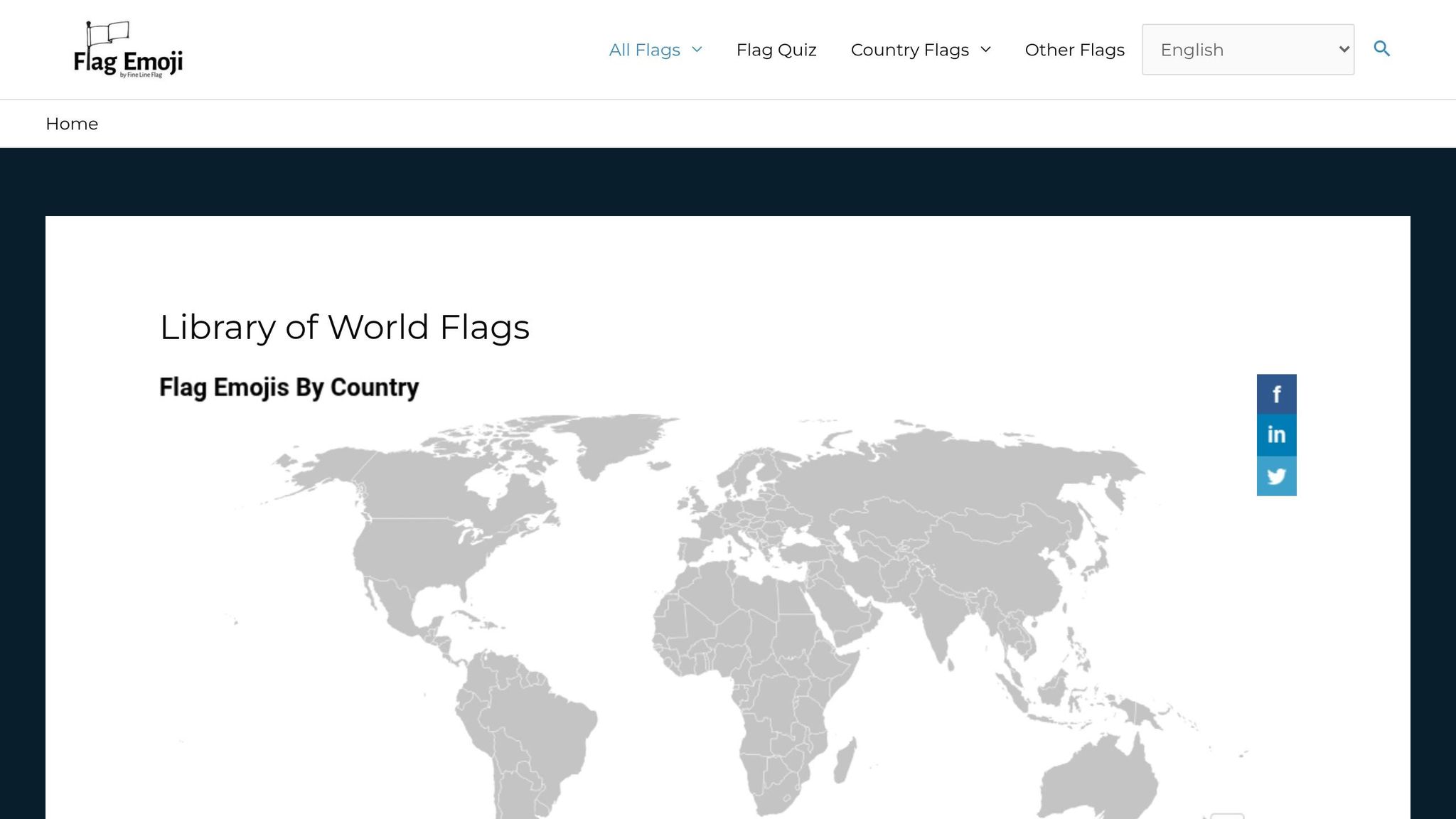
Flag Emoji Quizzes simplifies the task of learning flags by dividing quizzes into regions. This regional breakdown allows you to focus on one area at a time, making it easier to associate neighboring countries and their flags. It’s a step-by-step method that helps you build connections without feeling overwhelmed.
What makes this tool particularly effective is its instant feedback. After each question, you’re immediately shown the correct answer, which helps reinforce your memory and ties back to earlier learning strategies. This feature ensures that every mistake becomes an opportunity to learn.
Additional Interactive Resources
Beyond flag quizzes, other tools can further enrich your learning experience. Digital flashcards, for example, are a great way to practice. Many flashcard systems use spaced repetition, scheduling reviews at just the right intervals to help you remember information over time. You can either create your own flashcards or use pre-made decks tailored to flag recognition.
For something more hands-on, physical flag games offer a tactile way to learn, complementing the digital options. Meanwhile, online quiz platforms with features like leaderboards and daily challenges add a competitive edge, keeping you motivated and engaged as you track your progress.
sbb-itb-c170c49
Regional Flag Quizzes and Study Methods
Benefits of Regional Quizzes
Breaking down flag memorization by region makes the process much more manageable. Instead of tackling all 195+ world flags at once, you can focus on one continent at a time – like Africa with its 54 countries or Europe with about 44. This approach allows you to spot recurring design patterns and themes more easily.
Flags from the same region often share common visual traits, such as similar color schemes or symbols that reflect shared history or cultural ties. At the same time, this regional focus helps you notice unique details, like coats of arms, that set certain flags apart. By narrowing your scope, you simplify the learning process and create a more structured study plan.
The Flag Emoji Quizzes platform uses this method by grouping its quizzes into specific regions – like North America, Asia, or Oceania. This lets you practice in smaller, focused sessions, making the task less overwhelming and more engaging.
Creating a Personal Study Schedule
Building a structured study schedule around regional quizzes can dramatically improve how you learn. For instance, you might dedicate a week to one region, starting with smaller areas like Oceania or Central America before moving on to larger ones like Africa or Asia.
Track your progress as you go to identify areas where you need more practice. If, for example, Southeast Asian flags seem trickier for you than European ones, spend extra time reviewing that region. Platforms like Flag Emoji Quizzes provide instant feedback after each question, helping you pinpoint where to focus your efforts.
To boost retention, mix up your practice. Don’t just memorize flags – connect them with related facts like capitals, maps, or notable symbols. For example, knowing that Ecuador’s flag includes a condor and Chimborazo mountain in its coat of arms can create stronger memory links.
Pay special attention to flags that look nearly identical or share similar designs, like Ireland and Ivory Coast or Chad and Romania. Focused sessions on these tricky pairs can help you spot the subtle differences.
Consistency is key. Aim for short, daily sessions – around 15–20 minutes – to build long-term retention. Wrap up each study period by reviewing the flags you found most challenging. This steady, tailored approach not only strengthens your memory but also keeps your learning momentum going strong.
Best Books and Materials for World Flag Enthusiasts
When diving into the world of flags, the right resources can make all the difference. The best materials not only help you memorize flags but also deepen your understanding of their design, history, and the stories they tell. Here’s what to keep in mind when choosing your go-to references.
What to Look for in Flag References
- Explore the Meaning Behind Colors
Great resources will break down how colors reflect a nation’s identity and values. For instance, red often symbolizes courage or sacrifice, while white stands for purity or peace. Blue can suggest loyalty or freedom, green is linked to nature or growth, and yellow or gold often represents prosperity. - Spot Common Design Trends
A quality guide will point out recurring patterns, like the frequent use of red or the rarity of purple (historically due to its high cost). These insights can add a fresh perspective to your flag studies. - Seek Comprehensive Coverage
The best books and materials don’t stop at national flags. They include flags of territories, dependencies, and even regional variations. This broader scope enriches your understanding of vexillology and gives you a more complete picture of the world through flags.
Conclusion and Key Takeaways
Learning world flags isn’t just about recognizing colorful designs – it’s a way to connect with the rich, shared stories of our global community. This guide offers practical strategies to help you master flags, from identifying subtle differences in color shades to grouping flags by historical symbols like the Union Jack.
The key to success lies in combining structured techniques with engaging practice. Start by organizing flags by region and paying close attention to small distinctions. For example, flags like Chad and Romania or the Netherlands and Luxembourg differ only in subtle shades or dimensions. For mirror-image flags like Ireland and Ivory Coast, focus on thoroughly learning one to avoid confusion.
Interactive tools, such as Flag Emoji Quizzes, turn memorization into a fun and rewarding experience. These tools provide instant feedback and reinforce learning through repetition. Pair them with spaced repetition and active recall techniques to ensure not just recognition, but a deeper appreciation of the cultural history behind each flag.
Final Thoughts
These methods and tools provide a solid starting point for mastering flags. Begin your journey by choosing a region that sparks your interest and building visual associations. Pay attention to unique details, like coats of arms or national symbols, that make each flag distinct. Create personal memory aids tailored to your learning style to make the process even more effective.
Learning flags goes beyond simple recognition – it’s a gateway to understanding the diversity of global cultures. Whether you’re gearing up for a geography competition, expanding your knowledge of the world, or just indulging your curiosity, these strategies will set you on the path to success. Dive in with tools like Flag Emoji Quizzes and start exploring the stories behind the symbols today.
FAQs
What are some easy ways to remember flags with similar colors?
To differentiate flags with similar color schemes, try using mnemonics or visual cues. For instance, think of the red cross on Iceland’s flag as a bold ‘plus’ sign, connecting its shape to the flag’s design. You can also craft stories or phrases that tie the flag’s features to its country, making them easier to remember.
Another helpful approach is to focus on the distinct details that make each flag stand out – like specific symbols, stripe patterns, or how the colors are arranged. Breaking the design into smaller components and practicing with tools like flashcards or quizzes can strengthen your memory over time.
How can using tools like Flag Emoji Quizzes make learning world flags easier and more fun?
Interactive tools, such as Flag Emoji Quizzes, transform learning about world flags into an enjoyable challenge. By turning study sessions into playful activities, they promote active participation and consistent practice, which are key to improving memory and making flag designs easier to recall.
These tools also boost visual memory and cognitive abilities by offering a hands-on way to identify and recognize flags. Over time, this method not only strengthens your confidence but also keeps the learning experience fun and engaging.
Why is it helpful to study flags by region instead of individually?
Studying flags based on their regions can reveal interesting patterns, like common colors, symbols, or designs that often reflect shared history or cultural connections. This method ties the flags to their geographical background, making them easier to remember.
Breaking the learning process into regions also simplifies things. Tackling smaller sections at a time keeps it manageable and much more engaging, avoiding that overwhelming feeling of trying to learn everything all at once.
Related Blog Posts
- How to Memorize World Flags Fast
- Best Flag Learning Apps: Top 8 Picks
- World Flags Quiz Generator
- Flag Knowledge Checker
Free Printable: Flags of the World Reference Card
Get a beautiful printable poster with 50 flag emojis, Unicode codes, and fun facts. Perfect for classrooms and desks!
No spam, ever. Unsubscribe anytime.