
Flags are more than just symbols – they represent nations, values, and unity at global gatherings. Whether it’s athletes marching with their country’s flag at the Olympics or diplomats meeting under rows of national flags, these emblems play a key role in diplomacy and international relations. Here’s what you need to know:
- Historical Roots: Flags began as tools for identification in warfare and diplomacy, evolving into national symbols of unity.
- Global Use: International events use flags to express respect and equality among nations.
- Protocols Matter: Strict rules govern flag displays to ensure fairness and avoid diplomatic missteps.
- Learning Through Flags: Flags also serve as tools for understanding geography and global connections.
Flags aren’t just decorative – they’re integral to fostering recognition and respect on the world stage.
History and Development of Flags in International Events
Early Use of Flags in Diplomacy and Warfare
Flags originally served as practical tools, helping to identify factions during diplomacy and on the battlefield. As states grew more organized during the late Middle Ages and Renaissance, these emblems began to represent national unity. Over time, this shift gave rise to formal protocols for flag use, setting the stage for their ceremonial roles in international events.
Want the full printable classroom pack?
Take the flag reference from your screen to an offline pack for lessons, practice, and quiz time.
- Printable atlas with 230+ high-resolution flag flats
- Four regional quizzes with answer keys
- Flag Bingo boards and caller sheet
Introduction of Flags to International Gatherings
With the expansion of international relations, flags became a way to visually express respect, equality, and shared identity among nations. This marked the beginning of a universal "language" where national symbols played a part in diplomatic interactions and mutual recognition on a global scale.
Formal Adoption of Flag Standards at Major Events
The establishment of clear flag protocols became especially prominent in global events. For example, the Olympic Games introduced the tradition of athletes marching under their national flags and later unveiled an international flag to symbolize global unity through sport. Today, global organizations enforce flag display protocols to ensure equal recognition for all nations. These practices have not only strengthened the representation of nations but also shaped how we understand the role of flags in fostering unity and cooperation at international gatherings.
What Flags Represent at International Events
Flags as National and Identity Markers
Flags serve as powerful symbols of a nation’s identity, reflecting its values, history, and aspirations. The colors, patterns, and designs woven into a flag tell a story of cultural heritage and national pride. Beyond their symbolic meaning, flags are treated with strict protocol to ensure they are displayed with dignity and respect.
Flags as Symbols of Equal Standing
At international events, flag protocols are carefully followed to maintain equality among nations. No flag is placed above another during times of peace, emphasizing mutual respect and equal recognition of every country’s identity on the global stage.
Rules for Displaying Flags at International Events
Basic Flag Display Rules
When it comes to displaying national flags, the rules start with equality. Flags are flown on identical flagpoles to ensure no nation is seen as superior during peacetime. This simple standard lays the groundwork for more detailed arrangements in international settings.
How Flags Are Arranged in Multi-Nation Settings
In multi-nation events, the arrangement of flags becomes a delicate act, often referred to as a "dance of respect". The positioning of each flag reflects the intricate dynamics of international relations and ensures every nation feels acknowledged.
Respecting National Laws and Customs
Flag protocols are far from universal. Some countries treat these rules as casual guidelines, while others enforce strict laws with penalties for violations. Event organizers must skillfully navigate these differences to stay compliant and avoid potential diplomatic issues, much like the careful attention given to other aspects of international diplomacy.
sbb-itb-c170c49
Learning Flags Through Interactive Quizzes
How Flags Build Geography Knowledge
Flags do more than just represent nations – they serve as visual gateways to understanding geography. Each flag tells a story through its colors, patterns, and symbols, connecting learners to the cultural and geographical essence of a country. By studying flags, you begin to associate these emblems with their respective nations, deepening your understanding of the world map.
Recognizing flags isn’t just an academic exercise; it sharpens your ability to identify countries in everyday contexts, like spotting them in international events or on government buildings. These vibrant symbols make abstract geographic concepts feel more real, helping you quickly link a flag to its nation.
Using Flag Emoji Quizzes to Learn Flag Recognition
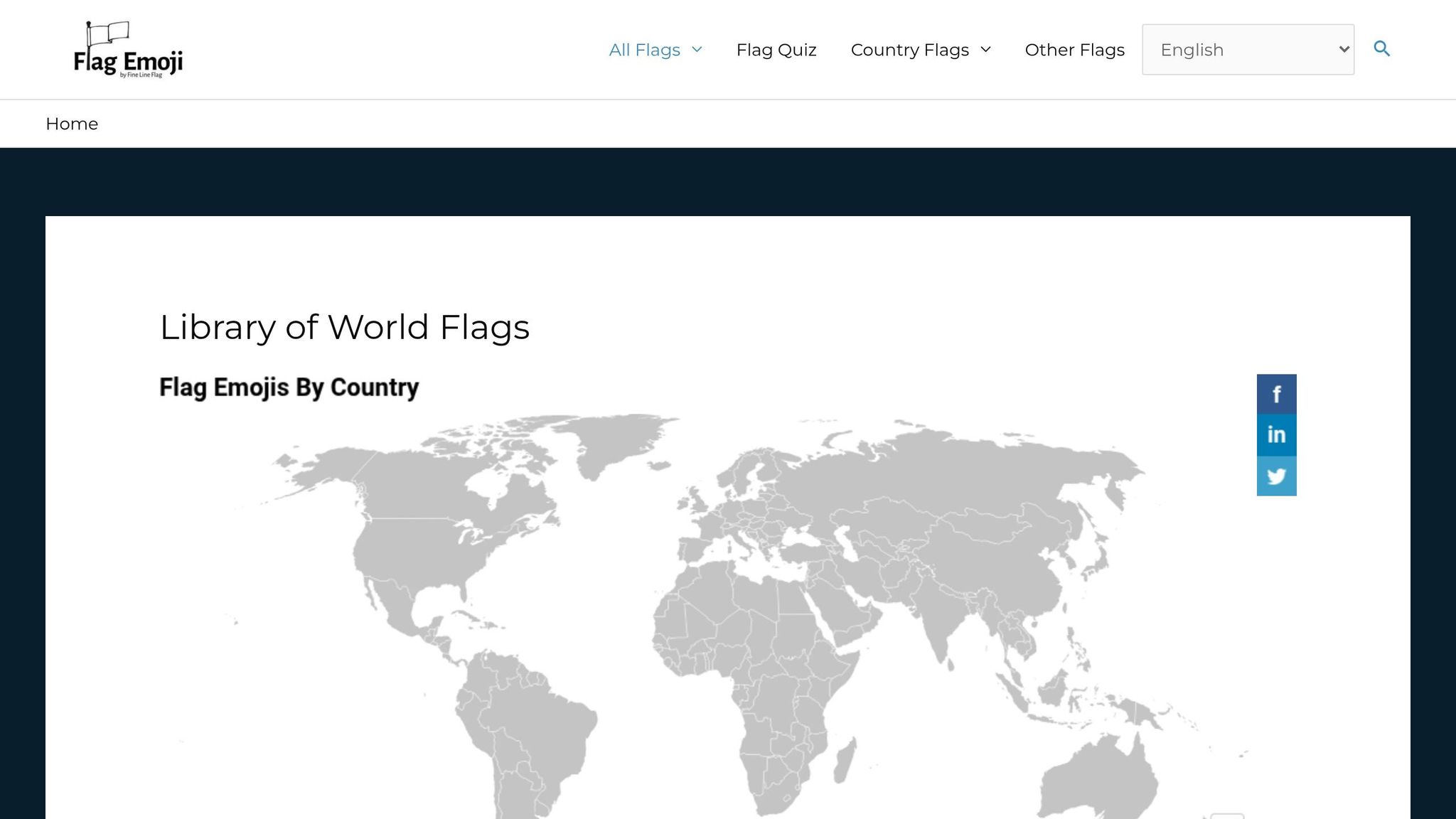
Flag Emoji Quizzes offer a fun and structured way to master flag recognition. By dividing the world into regions – like North America, South America, Europe, Asia, Africa, and Oceania – the platform makes the learning process more approachable. Breaking things down into smaller sections helps you focus on one area at a time, making it easier to retain information.
The quizzes provide instant feedback and allow for retakes, letting you practice until flag recognition becomes second nature. This method is especially effective for visual learners. Instead of passively reading country names, you actively match flags to their nations, which not only boosts memory but also strengthens your overall grasp of geography.
Beyond just identifying flags, this interactive approach equips you with practical knowledge. Whether it’s understanding flag protocol or recognizing emblems in international settings, these quizzes prepare you for real-world applications.
Are there specific rules for raising national flags at Olympics?
Conclusion
Flags hold a unique power to connect people across borders and languages. They represent identity, pride, and collaboration on a global scale. Whether it’s the vibrant display during the Olympics or the rows of flags at a United Nations meeting, they tell a story of equality, sovereignty, and shared goals among nations.
Learning about flag protocols and their meanings adds depth to how we view international relations. A flag isn’t just a piece of fabric – it’s a symbol of a nation’s history, values, and role in the global community. This understanding is especially important in today’s interconnected world, where international events influence policies and shape global conversations.
The ceremonial use of flags at global events highlights how diplomacy thrives on tradition and symbolism. From their arrangement in alphabetical order at the Olympics to their precise placement at diplomatic summits, these practices ensure every nation is acknowledged and respected.
Expanding your knowledge of flags doesn’t have to feel like a chore. Fun tools like interactive quizzes make it easy to associate flags with their countries, while also helping you explore geography and international customs in a more engaging way.
FAQs
Why are strict protocols important for displaying flags at international events?
Flags are more than just pieces of fabric – they symbolize the identity, history, and pride of a nation. Strict protocols ensure they are displayed in ways that honor their deep cultural and historical significance. These guidelines help prevent misunderstandings or unintended offenses, reinforcing mutual respect among countries.
Adhering to these rules is especially important during international events. Proper flag etiquette ensures an environment of unity and diplomacy, where every nation feels equally respected and acknowledged. This careful attention to detail plays a key role in encouraging cooperation and celebrating the rich diversity of the global community.
How do flags help us understand geography and global connections?
Flags serve as powerful symbols of a nation’s identity, showcasing its pride, heritage, and unity on the global stage. Whether at international summits, sports events, or diplomatic gatherings, they help distinguish one country from another while representing the spirit of its people.
With their distinct designs and colors, flags also offer a glimpse into a nation’s story and values. They encourage awareness of geography and cultural variety, reminding us of the bonds between nations and their collective efforts in global collaboration and dialogue.
How are flags used to promote equality and respect at major international events?
Flags hold a powerful place in representing equality and mutual respect at international events. Take the Olympics, for example – every nation’s flag is displayed with prominence, showcasing equal representation and fostering a sense of unity among athletes and spectators alike. Similarly, at United Nations assemblies, the presence of each member state’s flag underscores diplomatic respect and collaboration, reminding everyone of the collective commitment to global cooperation.
But it’s not just national flags that carry meaning. Symbolic flags, like the rainbow flag, have become prominent at international gatherings, standing for social movements and advocating for inclusivity, particularly LGBTQ+ rights. These flags go beyond borders, amplifying shared values of solidarity and respect on a global platform.
Related Blog Posts
- Top 5 Fun Facts About National Flags
- The Evolution of Flags: A Historical Perspective
- How Flags Represent National Identity
- Flag Knowledge Checker
Free Printable: Flags of the World Reference Card
Get a beautiful printable poster with 50 flag emojis, Unicode codes, and fun facts. Perfect for classrooms and desks!
No spam, ever. Unsubscribe anytime.