
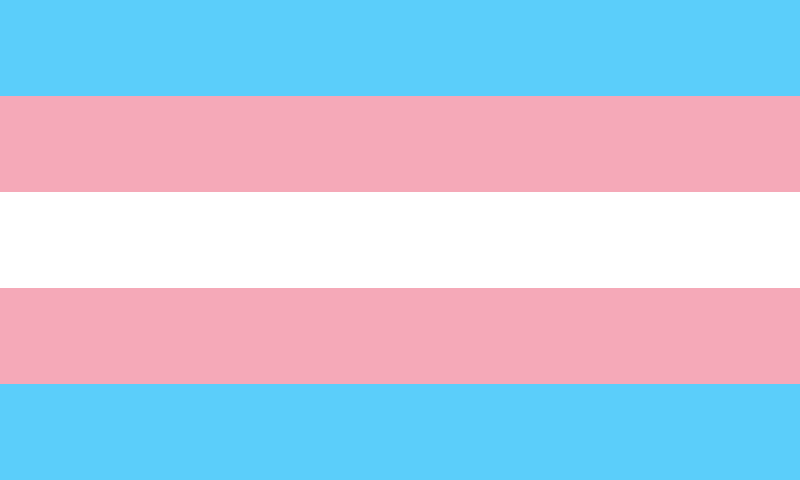
Standard Emoji:
How To
Time needed: 1 minute
How to copy and paste the Trans Flag Emoji to any device.
- Copy the Transgender Flag Emoji
Go to flagemoji.com and press the copy button (above). This works on any device.
- Paste the Emoji
Go to your email/iMessage/SMS texting service/document and paste the emoji.
For mobile devices
— double-tap or tap-hold, then paste should appear. Tap it.
For desktop and laptops on Apple devices
— command-P / ⌘-P
For desktop and laptops on Windows devices
— control-p
Description
Want the full printable classroom pack?
Take the flag reference from your screen to an offline pack for lessons, practice, and quiz time.
- Printable atlas with 230+ high-resolution flag flats
- Four regional quizzes with answer keys
- Flag Bingo boards and caller sheet
Flag Description
Until recently, the transgender community has been using a lobster emoji to represent itself. (Lobsters against Transphobia started using the symbol because lobsters share both male and female characteristics.)
But in 2020 Unicode announced the release of 117 new emojis. Among the new additions are the blue, pink and white transgender flag emoji and the trans symbol.
The trans flag represents the transgender community and consists of five horizontal stripes: two light blue, two pinks, and one white in the center.
The transgender pride flag first appeared in the LGBT pride parade in Phoenix, AZ in 2000. It was designed by a trans woman named Monica Helms in 1999. Monica describes the meaning of the flag this way: “The stripes at the top and bottom are light blue, the traditional color for baby boys. The stripes next to them are pink, the traditional color for baby girls. The stripe in the middle is white, for those who are intersex, transitioning or consider themselves having a neutral or undefined gender.”
The trans flag pattern was designed to appear “correct” no matter which way it flays, symbolizing “us finding correctness in our lives”.
Helms donated the first transgender flag to the Smithsonian National Museum of America History in 2014.
A Pride flag refers to a flag that represents any segment of the LGBTQ (lesbian, gay, bisexual, transgender, queer) community. The most recognizable is the Rainbow flag. The LGBTQ community generally celebrates pride, diversity, individuality, and sexuality.
There are many more pride flags representing more specific groups within the community. For example there is also a Bisexual Pride Flag, a Pansexual Pride Flag, an Asexual Pride Flag, and many others.
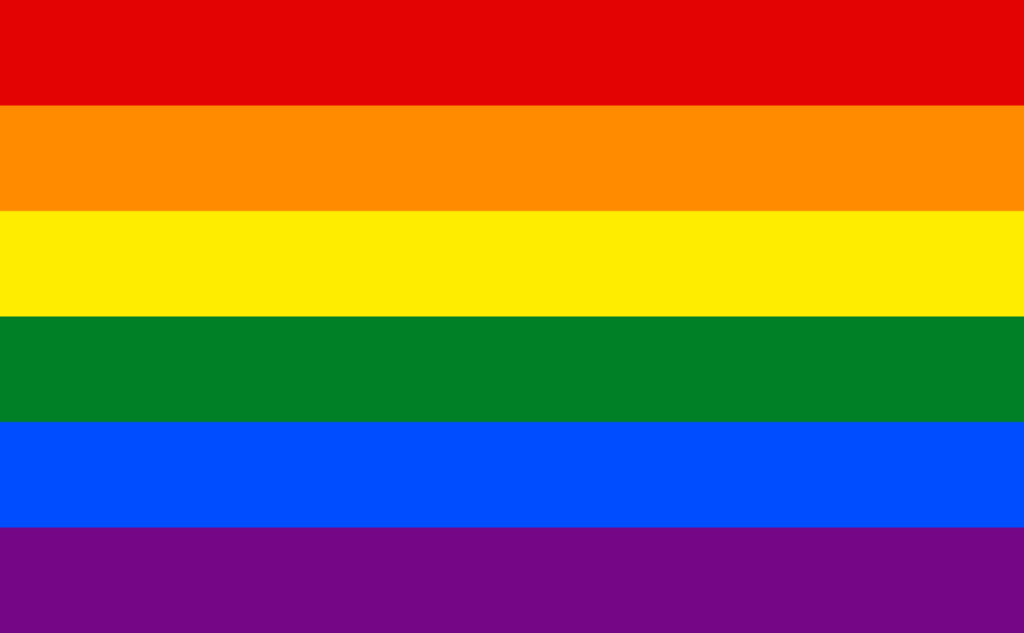
Rainbow pride Flag 
Lesbian Pride Flag 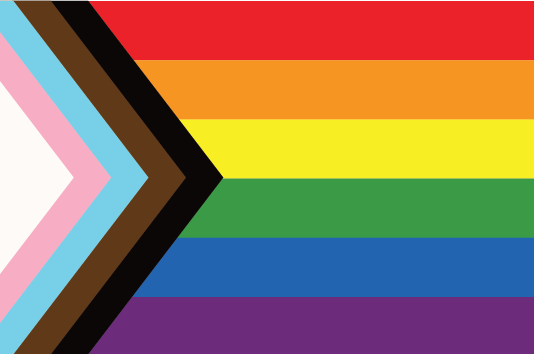
Progress Pride Flag 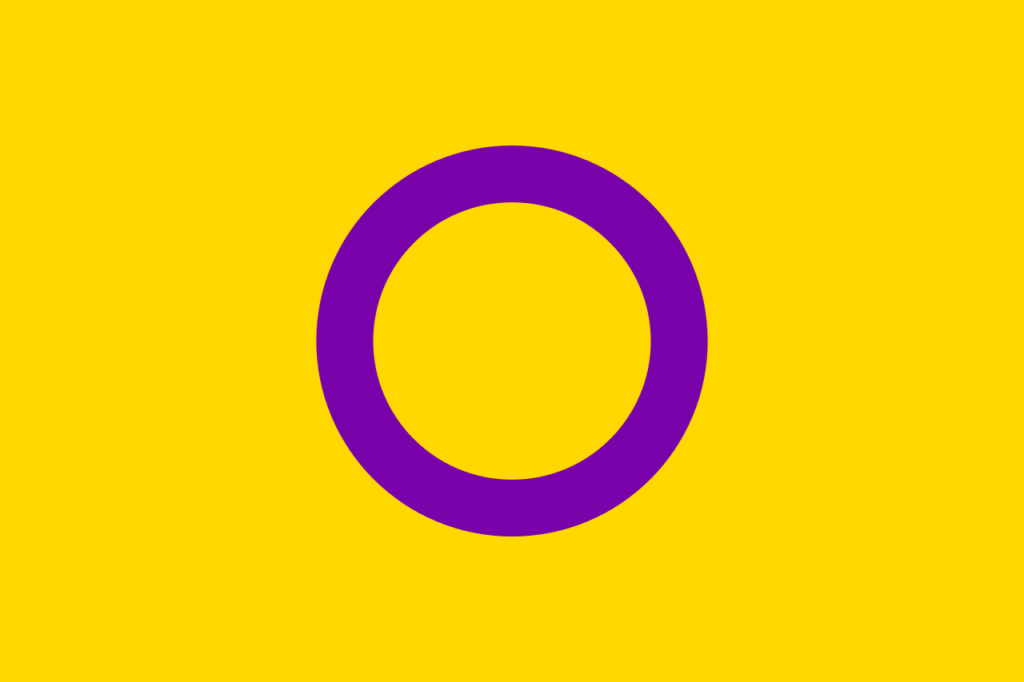
Intersex Pride Flag 
Bisexual Pride Flag 
Pansexual Prde Flag 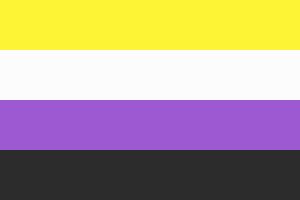
Nonbinary Pride Flag 
Asexual Pride Flag 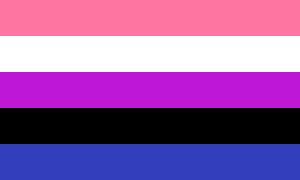
Genderfluid Pride Flag 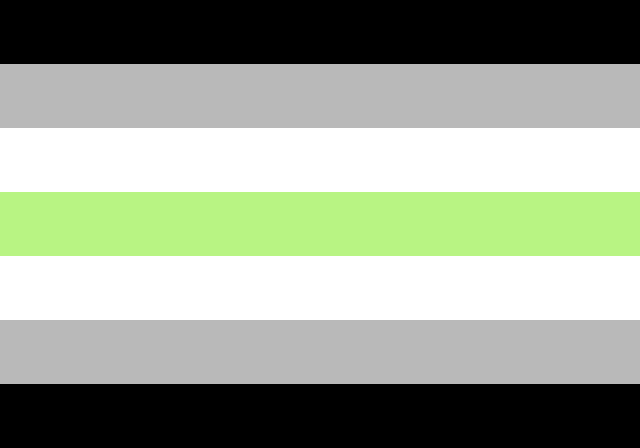
Agender Pride Flag 
Genderqueer Pride Flag Transgender Pride Flag
FAQ
FAQs
International Transgender Day of Visibility occurs on March 31st every year. This annual event celebrates transgender individuals and raises awareness.
There is also the Transgender Day of Remembrance, on November 20. The week before is Transgender Awareness Week. Began in 1999, TDOR serves to honor all transgender people whose lives have been lost to violence.
“Transgender Day of Remembrance seeks to highlight the losses we face due to anti-transgender bigotry and violence. I am no stranger to the need to fight for our rights, and the right to simply exist is first and foremost. With so many seeking to erase transgender people—sometimes in the most brutal ways possible—it is vitally important that those we lose are remembered, and that we continue to fight for justice.” (Transgender Day of Remembrance founder Gwendolyn Ann Smith)
In 1952, Transvestia: The Journal of the American Society for Equality in Dress was published by Virginia Pierce, among others. This is generally considered the start of the movement. You can read more about the history of transgender activism.
There are three colors in the transgender flag, displayed in five horizontal stripes. From top to bottom they are: blue, pink, white, pink, blue. According to the flag’s designer, Monica Helms, “The stripes at the top and bottom are light blue, the traditional color for baby boys. The stripes next to them are pink, the traditional color for baby girls. The stripe in the middle is white, for those who are intersex, transitioning or consider themselves having a neutral or undefined gender.”
The transgender flag has never been changed. It was created by Monica Helms in 1999. However, there are many variations with added symbols on top and combinations with other flag patterns.
Anthem
Pride Anthems
There is no specific transgender song or anthem. Below are some of the most popular LGBTQ+ songs.
| Title | I Will Survive, I’m Coming Out, Born This Way |
| Musician | Gloria Gaynor, Diana Ross, Lady Gaga |
Codes
Emoji Codes
| Unicode | 🏳 U+1F3F3 ️ U+FE0F U+200D ⚧ U+26A7 ️ U+FE0F |
| Shortcode | :transgender_flag: |
| HTML hex | 🏳️‍⚧️ |
| HTML dec | 🏳️‍⚧️ |
| URL Escape Code | %F0%9F%8F%B3%EF%B8%8F%E2%80%8D%E2%9A%A7%EF%B8%8F |
| JavaScript & JSON | \uD83C\uDFF3\uFE0F\u200D\u26A7\uFE0F |
| C, C++ & Java | \U0001f3f3\uFE0F\u200D\u26A7\uFE0F |
Printable
Printable Trans Flag
The transgender flag stands as one of the most recognizable and widely adopted pride symbols in the modern LGBTQ+ movement. Its distinctive design and powerful symbolism have made it a beacon of visibility and acceptance for transgender individuals worldwide. The flag’s creation, rapid adoption, and cultural significance reflect the growing visibility and pride of the transgender community over the past two decades.
Origins and Creation
The transgender flag was created by Monica Helms, an American transgender woman, in August 1999. Helms was inspired to design the flag after a conversation with Michael Page, who had created the bisexual pride flag the previous year. Rather than adopting an existing symbol, Helms felt it was important for the transgender community to have its own distinctive flag that would represent their unique identity and experiences. The flag was first publicly displayed at a Pride celebration in Phoenix, Arizona, in 2000, marking the beginning of what would become a globally recognized symbol of trans pride and identity.
Design and Symbolism
The transgender flag features five horizontal stripes of equal width arranged in a specific color pattern: light blue, pink, white, pink, and light blue. Each color carries deliberate symbolic meaning rooted in traditional gender associations and the inclusive values of the trans community. The light blue stripes at the top and bottom represent the traditional color historically associated with baby boys, while the pink stripes represent the traditional color historically associated with baby girls. The white stripe in the middle is the most inclusive element of the design, representing those who are intersex, those who are transitioning, and those who identify as having a neutral or undefined gender identity.
One of the most elegant aspects of Helms’ design is its mathematical and conceptual symmetry. As Helms herself explained, the flag is correct no matter which way you fly it—the pattern is identical whether displayed upright or upside down, or whether viewed from either side. This intentional design choice carries profound symbolic weight: it represents the idea that there is no “wrong” way to be transgender, that all expressions of trans identity are valid, and that trans individuals can live authentically in whatever direction their lives take them. This symmetry became a central metaphor for trans acceptance and self-determination.
Rapid Adoption and Cultural Impact
Following its introduction in 2000, the transgender flag experienced remarkably rapid adoption throughout the LGBTQ+ community and beyond. Unlike many newly introduced pride symbols that take years to gain widespread recognition, Helms’ design quickly became ubiquitous at pride parades, community events, and demonstrations worldwide. The flag’s appealing color palette, simple geometric design, and powerful underlying message resonated strongly with transgender individuals seeking visual representation and community connection.
The speed of the flag’s adoption surprised even Helms herself. In her 2019 memoir, she reflected on how rapidly the symbol gained acceptance and expressed her pride and emotion whenever she witnessed it being displayed on historic buildings, government offices, and community spaces. This rapid embrace represented a significant shift in the visibility of transgender issues and the growing demand for explicit representation within the broader LGBTQ+ movement.
Institutional Recognition
The cultural importance and historical significance of the transgender flag received formal institutional recognition in 2014 when Monica Helms donated the original flag she had created fifteen years earlier to the Smithsonian National Museum of American History in Washington, D.C. This donation placed the transgender flag among the most important artifacts in American cultural history, acknowledging its role in documenting the transgender rights movement and the broader history of LGBTQ+ activism. The flag’s presence in the Smithsonian collection ensures that future generations will understand the symbol’s importance in trans community history.
Further mainstream recognition came in 2020 when the Unicode Consortium officially added a transgender flag emoji to its collection. The emoji adoption, based on Helms’ original design, extended the flag’s reach into digital communication and further normalized its presence in everyday online discourse. This digital adoption ensured that transgender individuals could easily display their flag and identity across social media platforms, messaging apps, and digital communities.
Evolution and Variations
While the five-striped design created by Monica Helms remains the standard and most widely recognized transgender flag, several variations have emerged over time, each reflecting different communities’ needs and identities. Some alternative designs incorporate the transgender symbol or modified color schemes to better represent specific cultural or regional communities. For example, a 2018 variation by designer Daniel Quasar created the Progress Pride Flag, which combines the transgender flag colors and symbolism with additional elements representing other marginalized LGBTQ+ communities, creating a more intersectional pride symbol.
These variations demonstrate how Helms’ original creation has become a foundation upon which other communities build, adapting and expanding the symbol to reflect evolving understandings of gender identity and community solidarity. However, the original five-stripe design remains the most recognized and universally adopted version, serving as the standard representation of transgender pride and identity globally.
Legacy and Continuing Significance
Today, the transgender flag designed by Monica Helms in 1999 has become an enduring symbol of transgender visibility, pride, and rights. From its humble beginnings at a Phoenix pride parade to its place in the Smithsonian Institution and digital adoption by billions of people online, the flag’s journey reflects the growing recognition and acceptance of transgender individuals in society. The flag continues to be displayed at pride events, community gatherings, and demonstrations worldwide, serving as a visual representation of trans identity and a powerful statement of existence and resilience. As the transgender community continues to fight for recognition, rights, and dignity, the flag remains a potent symbol of their ongoing struggle and their pride in who they are.
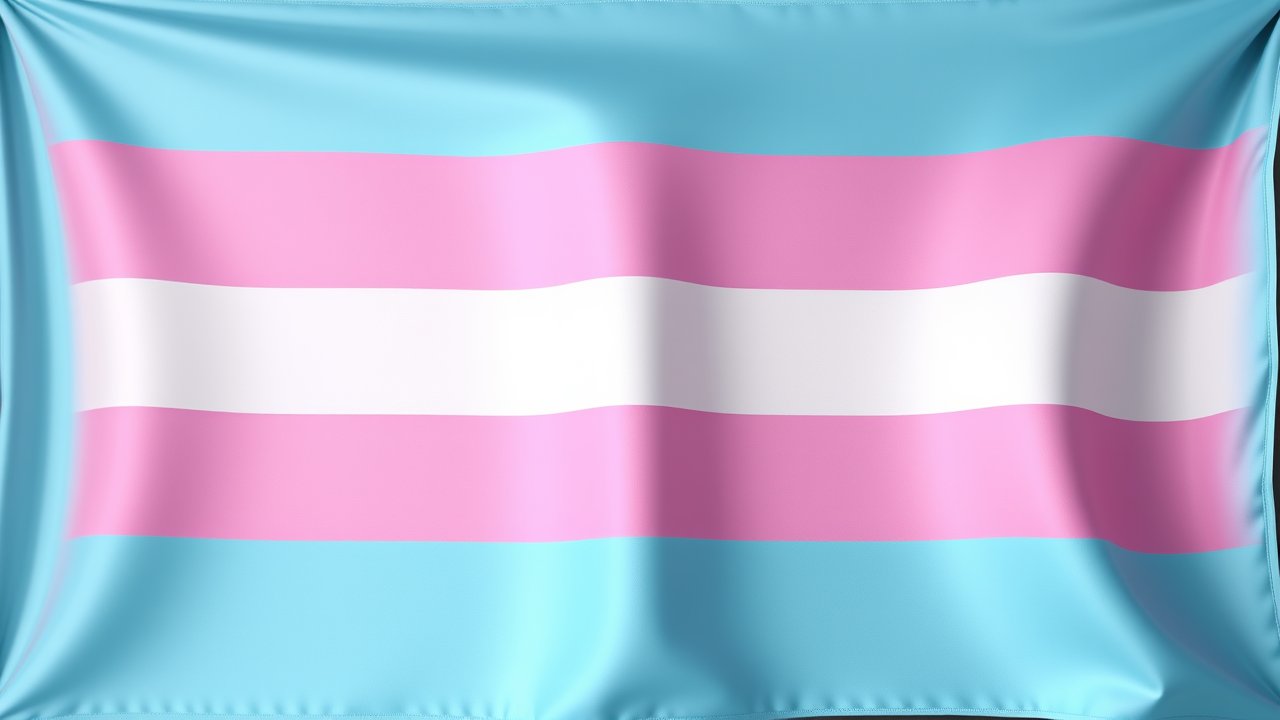
3D Glossy Render — Five horizontal stripes: light blue, pink, white, pink, and light blue — the Transgender Pride flag. The flag of Trans as a photorealistic 3D render. Five horizontal stripes: light blue, pink, white, pink, and light blue — the Transgender Pride flag. The flag fabric hangs or drapes naturally but preserves exact proportions, colors, and all symbols perfectly — completely faithful to the real Trans flag. Dramatic studio lighting, glossy silk material, soft shadows, subsurface scattering, perfect specular highlights. No text, no letters, no words, no writing of any kind.
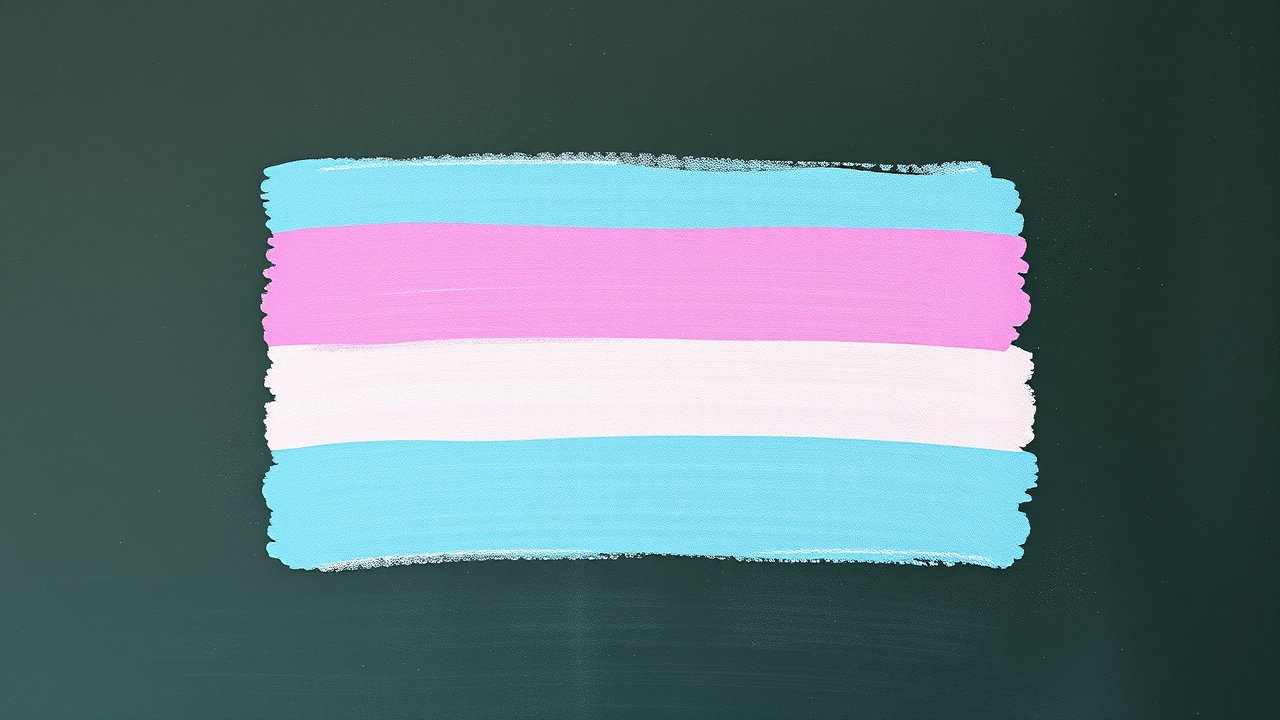
Chalk on Blackboard — Five horizontal stripes: light blue, pink, white, pink, and light blue — the Transgender Pride flag. The flag of Trans drawn in chalk on a real blackboard. Five horizontal stripes: light blue, pink, white, pink, and light blue — the Transgender Pride flag. Authentic blackboard — dark slate green surface with chalk dust and smudge marks. Soft, dusty white and colored chalk lines, imperfect edges, hand-drawn quality. Chalk dust particles visible in the air. The flag is immediately recognizable. No text, no letters, no words, no writing of any kind.
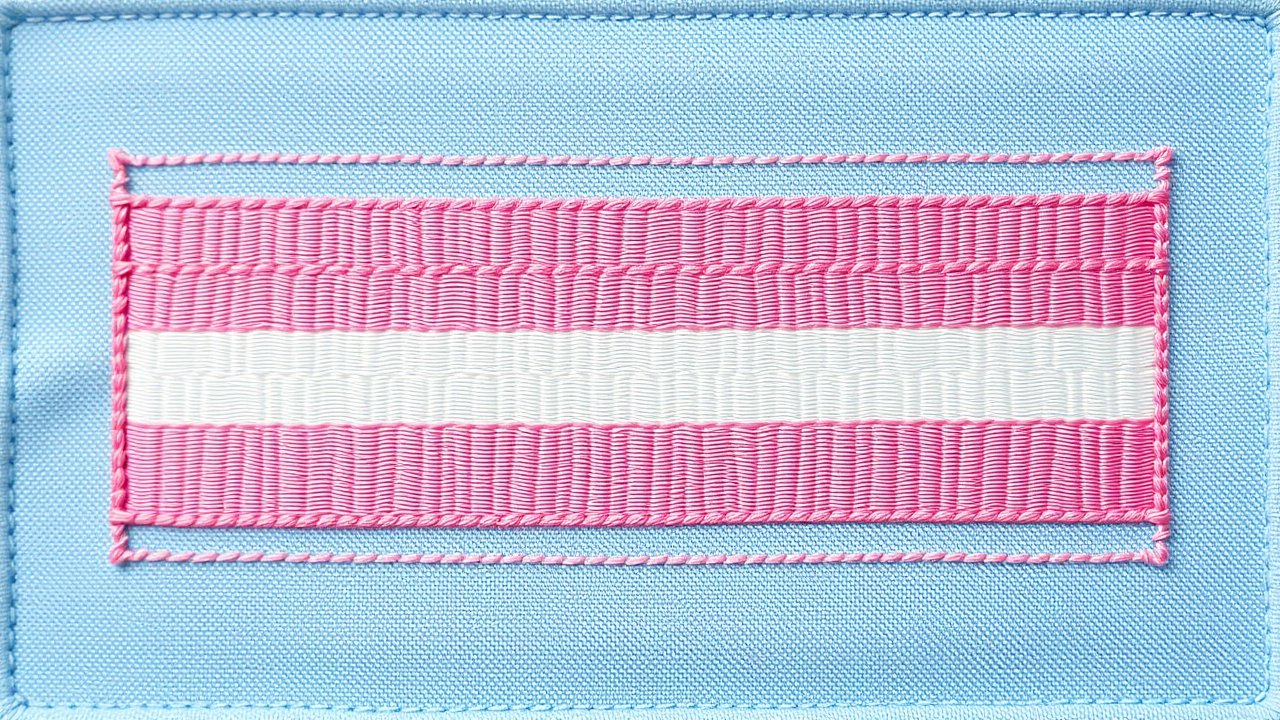
Embroidered Textile — Five horizontal stripes: light blue, pink, white, pink, and light blue — the Transgender Pride flag. The flag of Trans as intricate embroidery on linen fabric. Five horizontal stripes: light blue, pink, white, pink, and light blue — the Transgender Pride flag. Dense satin stitches, French knots, chain stitch detail. The flag design is completely faithful — exact colors, geometry, and all symbols faithfully stitched, immediately recognizable as the Trans flag. Visible thread texture, dimensional quality, warm handcrafted feel. No text, no letters, no words, no writing of any kind.
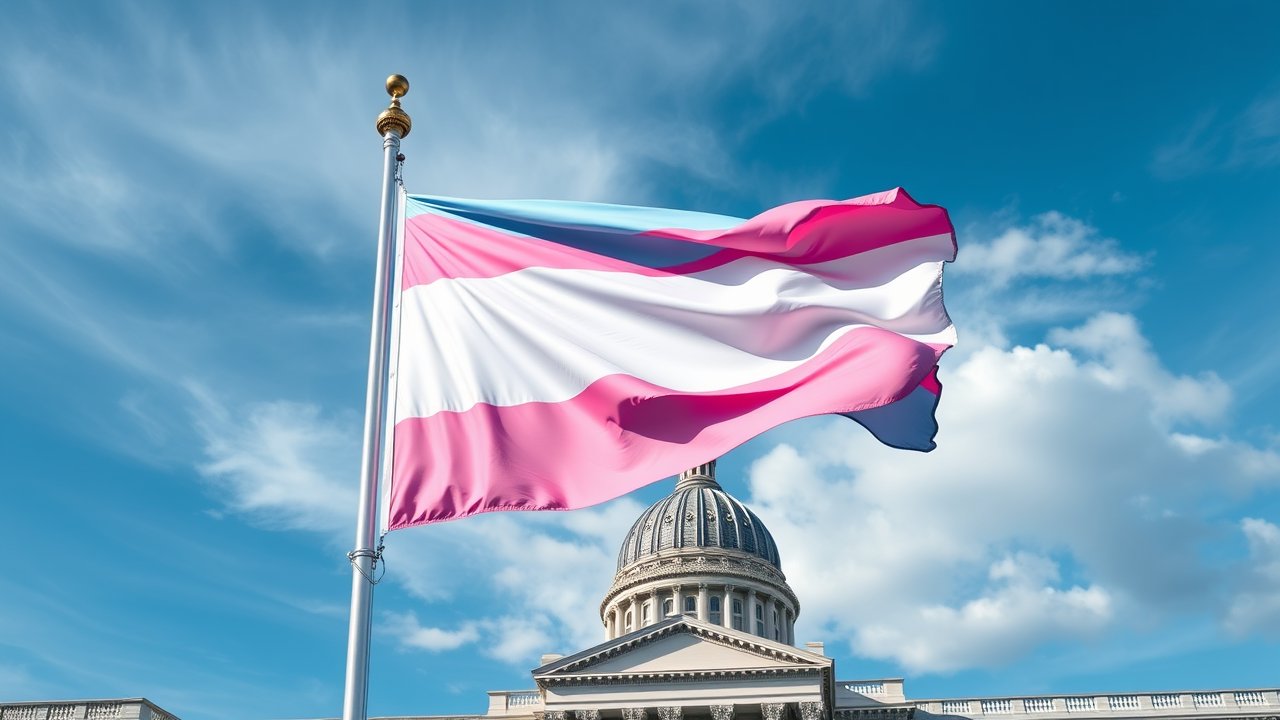
Flagpole in Capital — Five horizontal stripes: light blue, pink, white, pink, and light blue — the Transgender Pride flag. Photorealistic photograph of the Trans flag flying on a tall flagpole in front of an iconic government building in the capital city. Five horizontal stripes: light blue, pink, white, pink, and light blue — the Transgender Pride flag. The flag ripples naturally in the wind, colors vivid and exact. Documentary photography style, sharp and realistic. Grand architecture in the background. Blue sky, dramatic clouds. No text, no letters, no words, no writing of any kind.

Golden Hour Reflection — Five horizontal stripes: light blue, pink, white, pink, and light blue — the Transgender Pride flag. Photorealistic photograph of the Trans flag reflected in still water at golden hour. Five horizontal stripes: light blue, pink, white, pink, and light blue — the Transgender Pride flag. The flag flies on a pole at the water’s edge, its reflection shimmering on the surface below. Warm amber and orange sunset light. The flag colors and design are faithful and vivid. Serene, cinematic landscape photography. No text, no letters, no words, no writing of any kind.
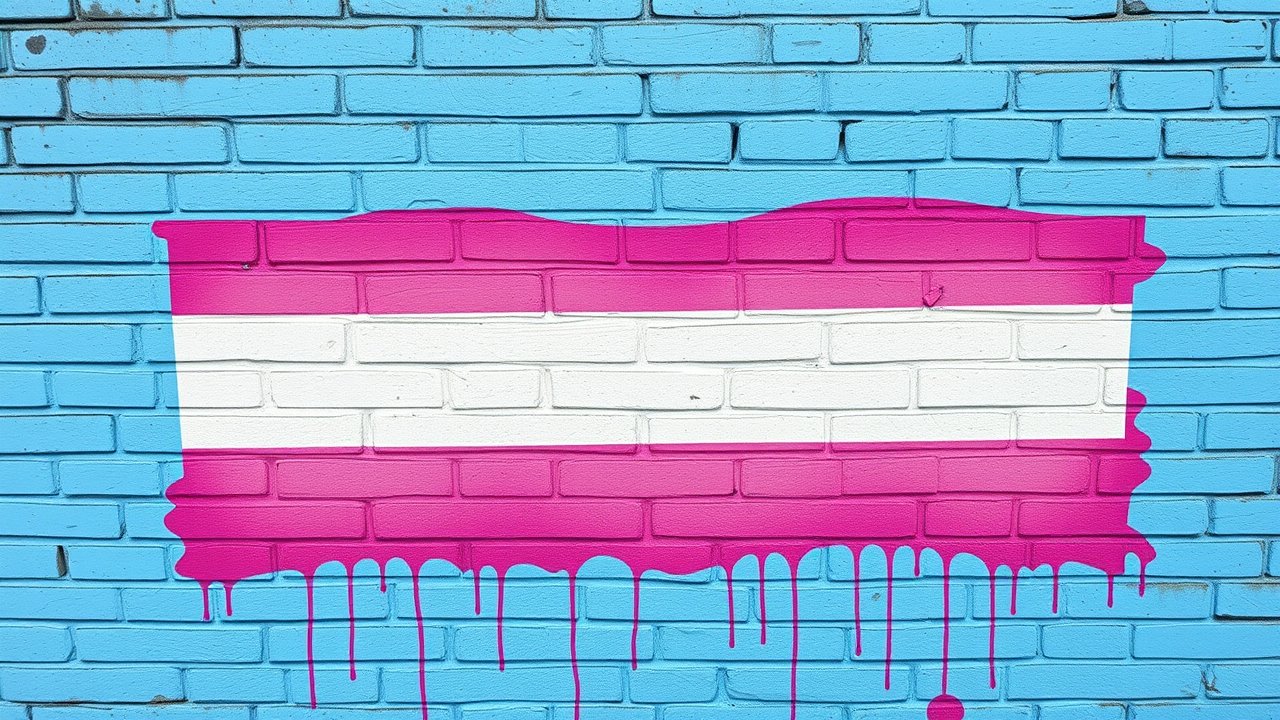
Street Art / Graffiti — Five horizontal stripes: light blue, pink, white, pink, and light blue — the Transgender Pride flag. The flag of Trans as vibrant street art spray-painted on a brick wall. Five horizontal stripes: light blue, pink, white, pink, and light blue — the Transgender Pride flag. Bold spray paint, dripping edges, stencil layers, overspray halos. The flag design is faithful and immediately recognizable — exact colors and symbols, just rendered in spray paint on urban concrete. No text, no letters, no words, no writing of any kind. No tags, no graffiti lettering.
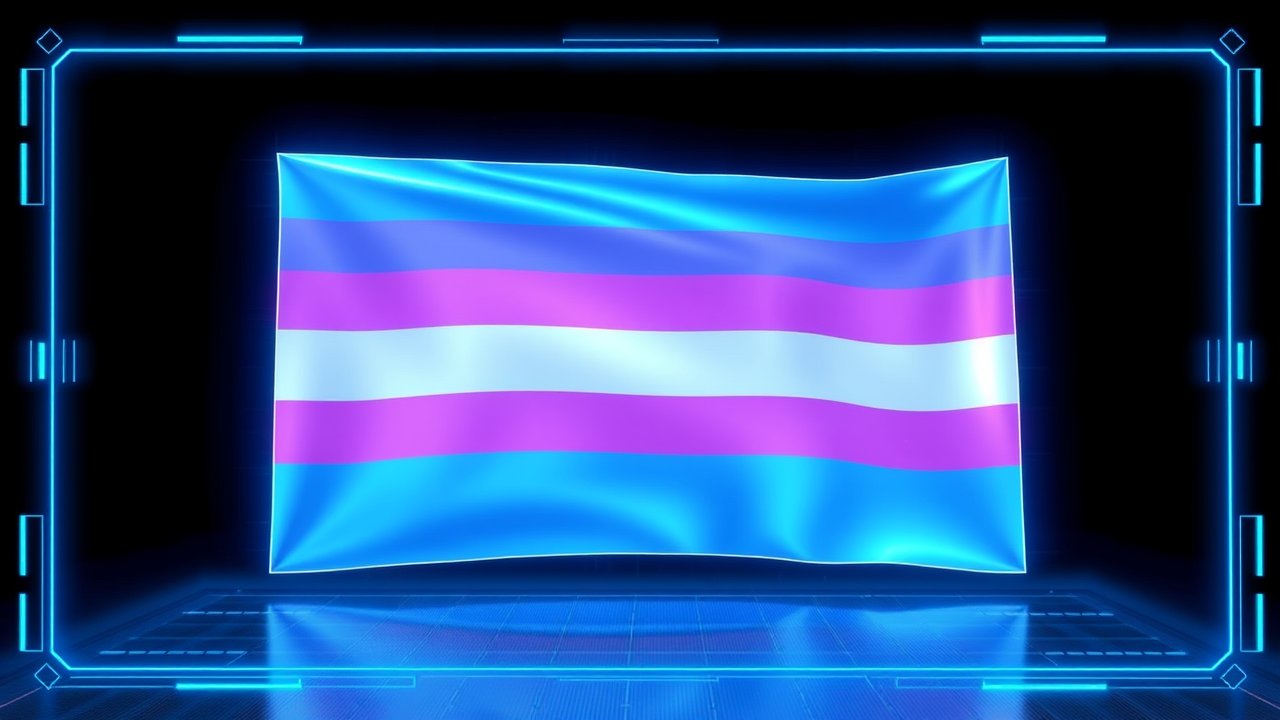
Sci-Fi Hologram — Five horizontal stripes: light blue, pink, white, pink, and light blue — the Transgender Pride flag. The flag of Trans projected as a futuristic holographic display. Five horizontal stripes: light blue, pink, white, pink, and light blue — the Transgender Pride flag. Translucent blue-white projection with scan lines, floating in dark space. Glitching edges, particle effects, data streams. The flag design is completely faithful and recognizable. Cyberpunk HUD elements framing the projection. No text, no letters, no words, no writing of any kind.
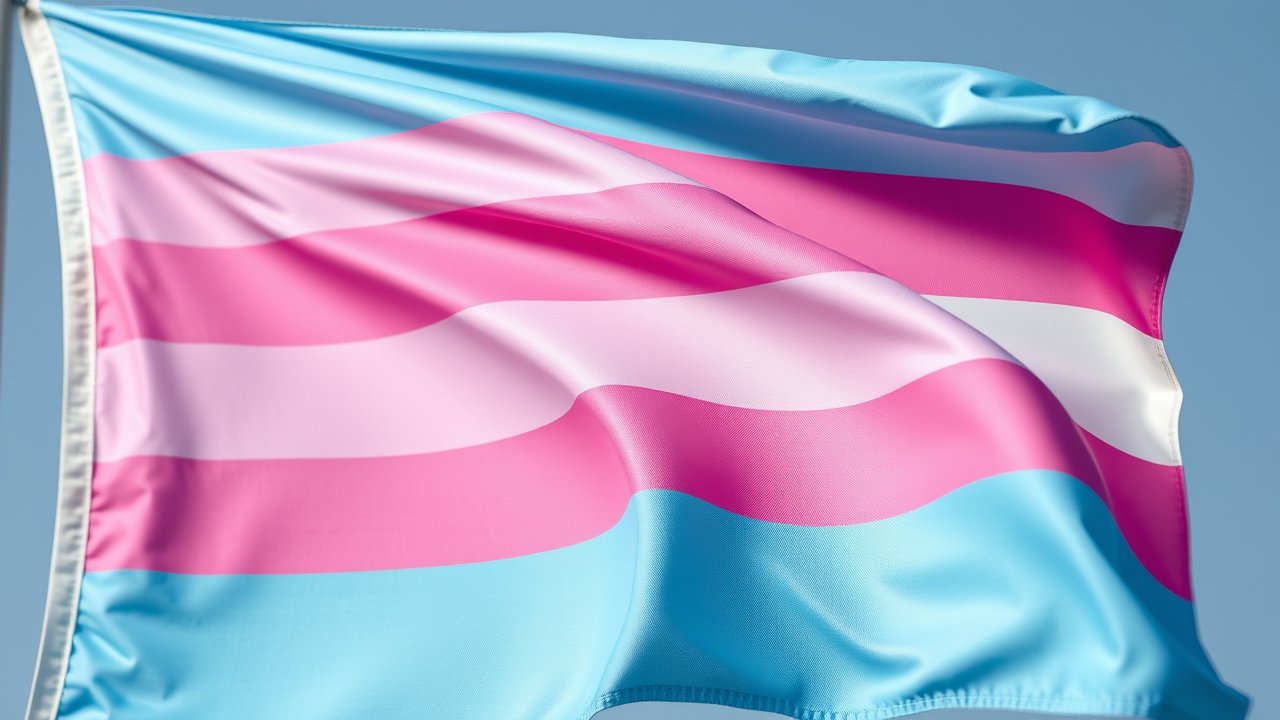
Hyperrealistic Wind — Five horizontal stripes: light blue, pink, white, pink, and light blue — the Transgender Pride flag. Ultra-hyperrealistic photograph of the Trans flag caught in a dramatic gust of wind. Five horizontal stripes: light blue, pink, white, pink, and light blue — the Transgender Pride flag. Macro-level fabric detail — individual threads visible, fabric folds and tension lines crisp. Colors and design completely faithful to the real Trans flag. High-speed shutter, razor-sharp focus, studio lighting. No text, no letters, no words, no writing of any kind.
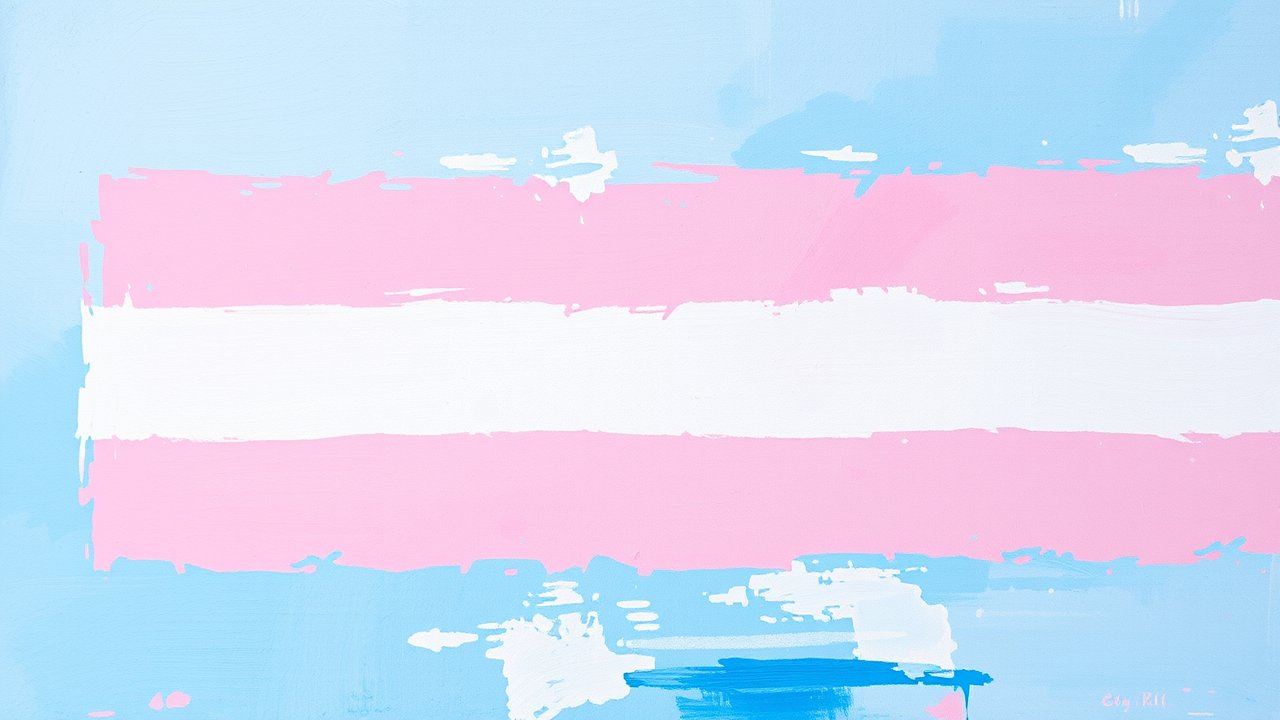
Impressionist Oil — Five horizontal stripes: light blue, pink, white, pink, and light blue — the Transgender Pride flag. The flag of Trans painted in French Impressionist oil on canvas. Five horizontal stripes: light blue, pink, white, pink, and light blue — the Transgender Pride flag. Thick impasto brushstrokes, dappled light, vibrant broken color technique in the style of Monet. The flag is instantly recognizable — colors and design faithful to the real Trans flag, interpreted with impressionist light and texture. No text, no letters, no words, no writing of any kind.
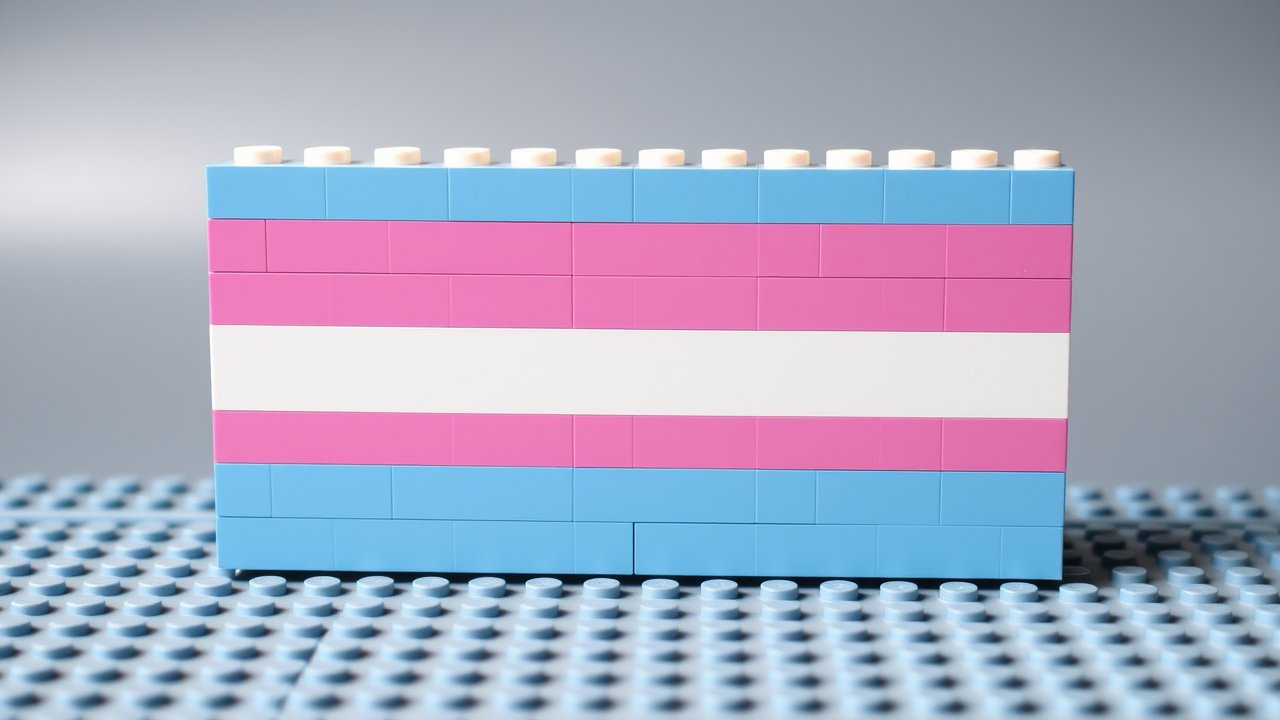
Lego Bricks — Five horizontal stripes: light blue, pink, white, pink, and light blue — the Transgender Pride flag. The flag of Trans built from Lego bricks, photographed as a real physical construction. Five horizontal stripes: light blue, pink, white, pink, and light blue — the Transgender Pride flag. Visible studs and brick seams, slight plastic sheen. Standard Lego colors approximate the flag’s palette. Built on a gray Lego baseplate. Dramatic angle showing the three-dimensional brick texture. No text, no letters, no words, no writing of any kind.
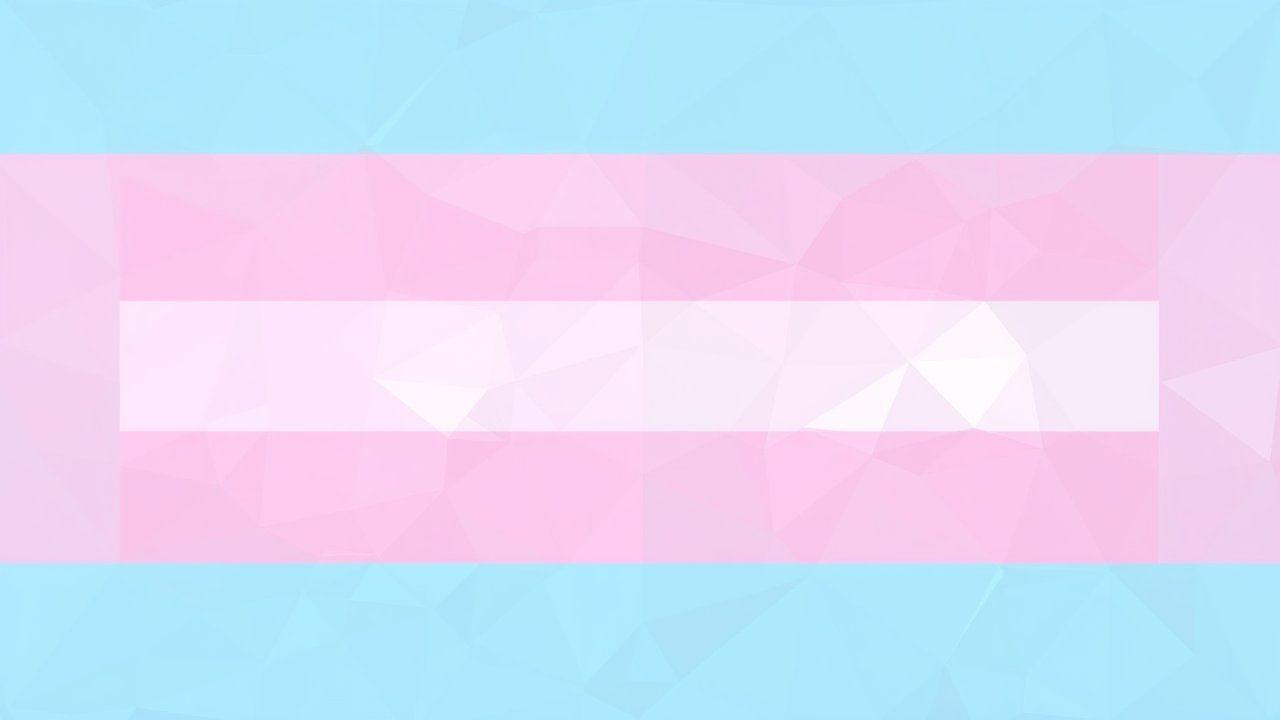
Low-Poly Geometric — Five horizontal stripes: light blue, pink, white, pink, and light blue — the Transgender Pride flag. The flag of Trans constructed from low-polygon geometric triangles. Five horizontal stripes: light blue, pink, white, pink, and light blue — the Transgender Pride flag. Aggressively faceted — each region broken into many visible triangular faces with subtle color variation across each polygon, creating real depth and dimensionality even in flat-color areas of the flag. Crystal-like, contemporary computational design. The flag is completely faithful and immediately recognizable. No text, no letters, no words, no writing of any kind.
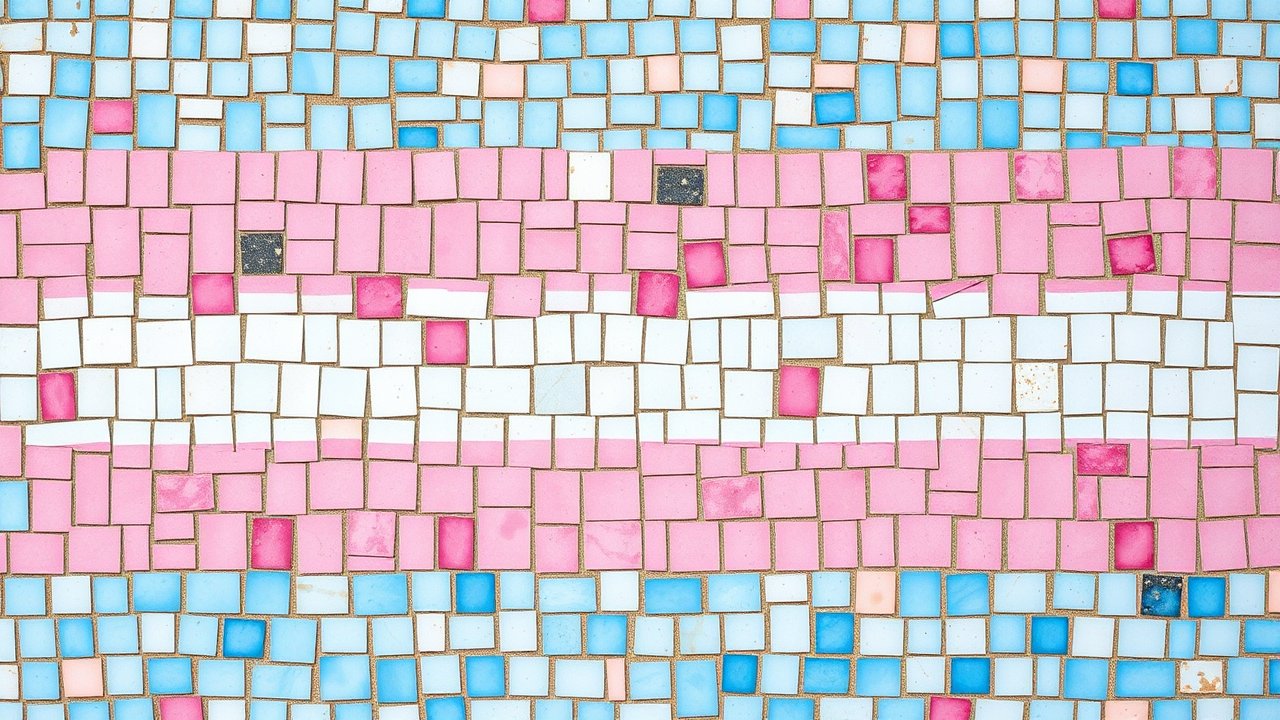
Mosaic Tiles — Five horizontal stripes: light blue, pink, white, pink, and light blue — the Transgender Pride flag. The flag of Trans assembled as a Roman-style mosaic. Five horizontal stripes: light blue, pink, white, pink, and light blue — the Transgender Pride flag. The flag is completely faithful to the real Trans flag — exact proportions, colors, and all symbols, rendered in thousands of small stone and glass tesserae. Visible grout lines, rich earthy tones mixed with brilliant glass, slight historical weathering. No text, no letters, no words, no writing of any kind.
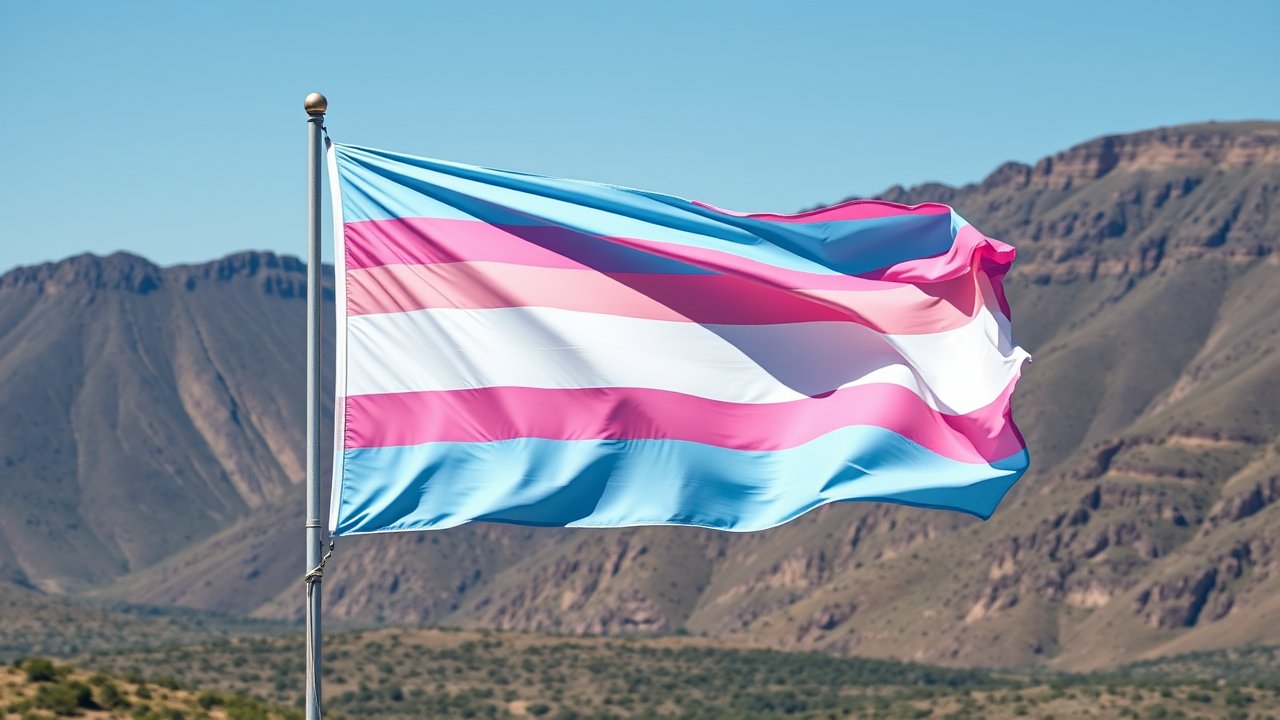
Native Landscape — Five horizontal stripes: light blue, pink, white, pink, and light blue — the Transgender Pride flag. Photorealistic photograph of the Trans flag flying in an iconic natural landscape native to Trans — the terrain, flora, and environment characteristic of that country. Five horizontal stripes: light blue, pink, white, pink, and light blue — the Transgender Pride flag. The flag is prominent and its colors are faithful and vivid. Remote, uninhabited wilderness. National Geographic photography style. No text, no letters, no words, no writing of any kind.
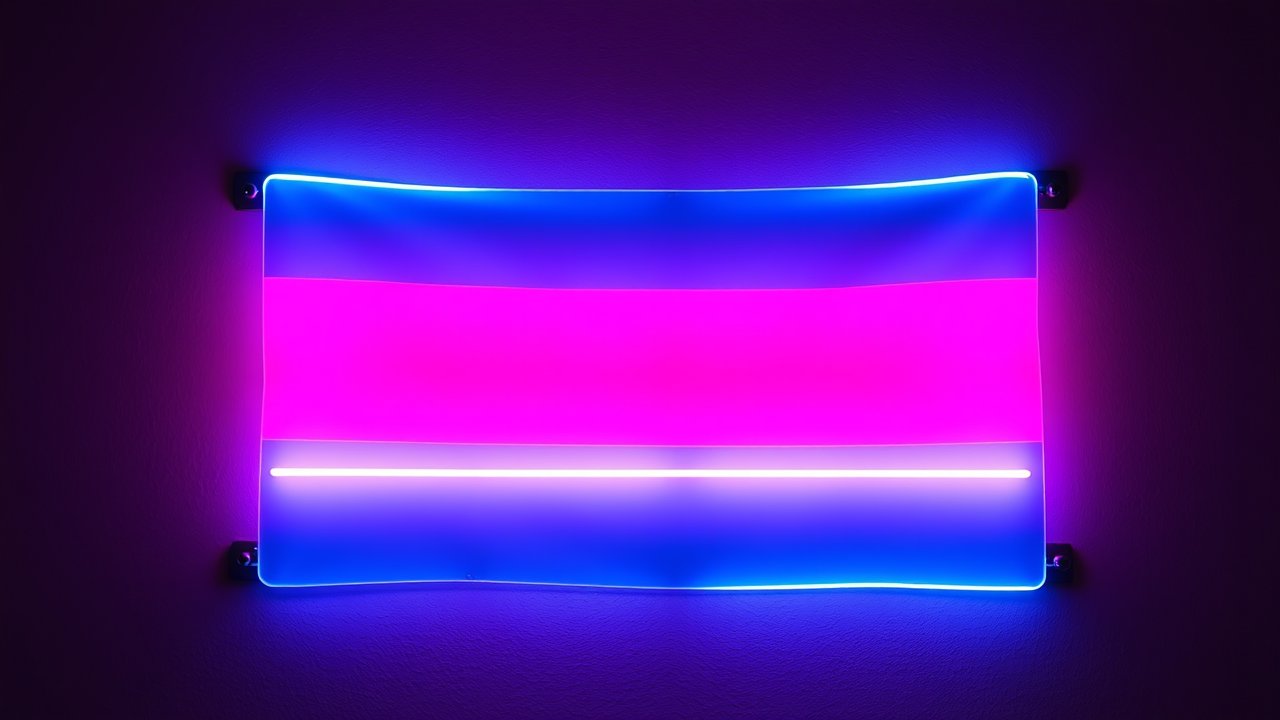
Neon Sign — Five horizontal stripes: light blue, pink, white, pink, and light blue — the Transgender Pride flag. The flag of Trans recreated as a real neon sign mounted on a dark wall. Five horizontal stripes: light blue, pink, white, pink, and light blue — the Transgender Pride flag. Glowing glass neon tubes bent into the flag’s shapes — the colors of the flag rendered in actual neon light. Visible glass tube bends, metal mounting brackets on the wall. Warm neon glow and light bloom. Real neon, not digital. Photographed in a dark room. No text, no letters, no words, no writing of any kind.
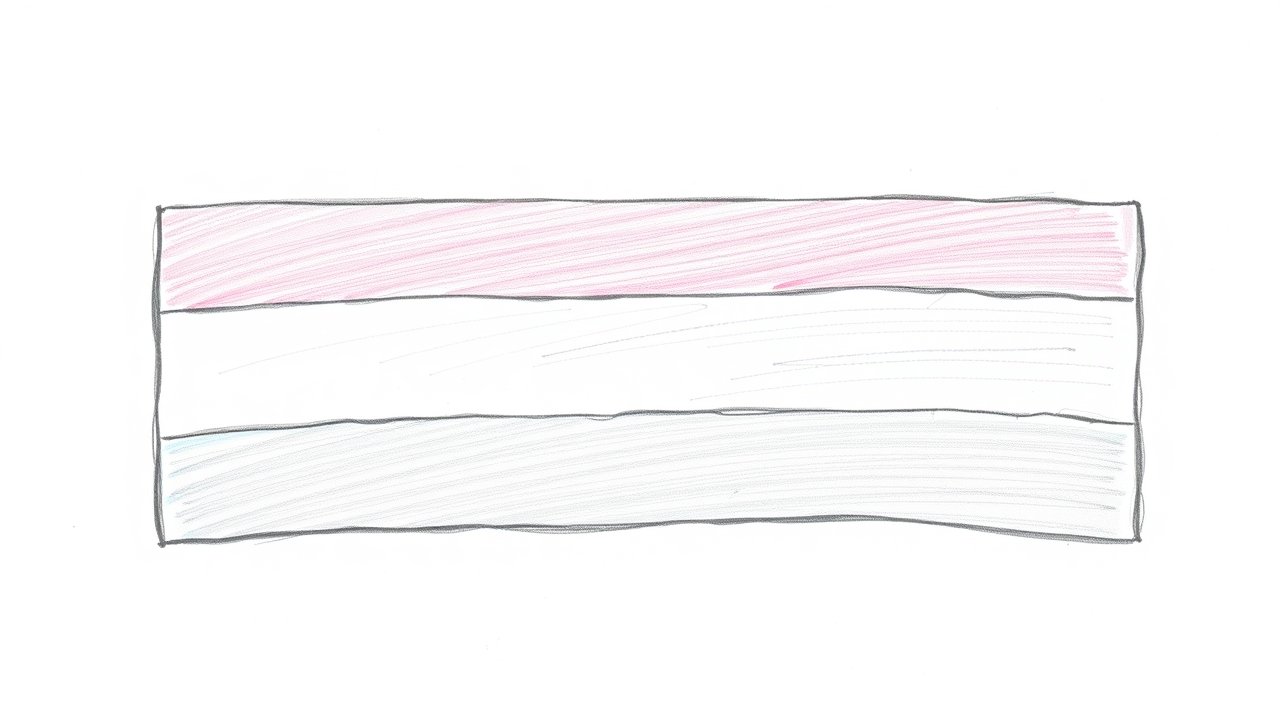
Pencil Sketch — Five horizontal stripes: light blue, pink, white, pink, and light blue — the Transgender Pride flag. The flag of Trans as a bold, confident pencil sketch. Five horizontal stripes: light blue, pink, white, pink, and light blue — the Transgender Pride flag. Strong graphite lines on cream paper — not delicate but bold and decisive. Heavy pressure on key outlines, dramatic cross-hatching for deep shadows and shading. Immediately recognizable as the Trans flag. Artist’s confident hand, not tentative. No text, no letters, no words, no writing of any kind.
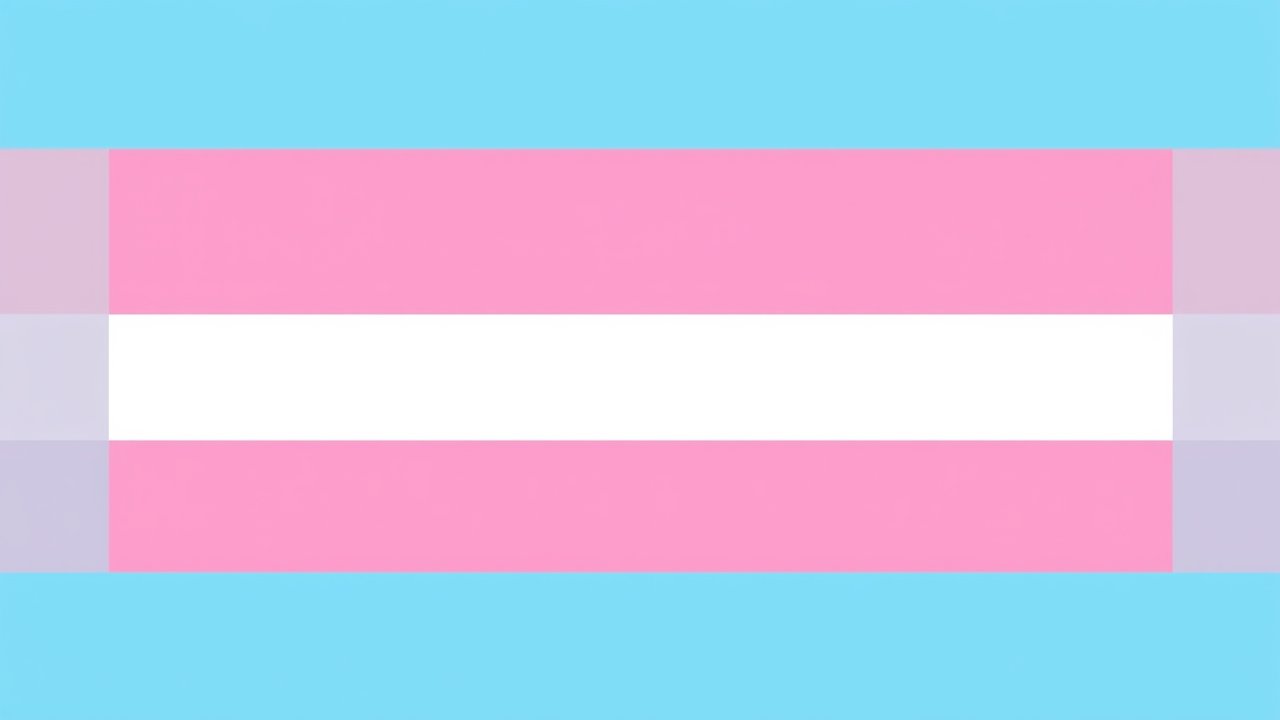
Pixel Art — Five horizontal stripes: light blue, pink, white, pink, and light blue — the Transgender Pride flag. The flag of Trans as detailed 16-bit pixel art. Five horizontal stripes: light blue, pink, white, pink, and light blue — the Transgender Pride flag. Crisp pixel grid, limited palette with careful dithering, nostalgic retro game aesthetic. Clean grid-aligned design with subtle shading. Every element of the flag faithfully reproduced in pixels. No text, no letters, no words, no writing of any kind.

Stained Glass — Five horizontal stripes: light blue, pink, white, pink, and light blue — the Transgender Pride flag. The flag of Trans rendered as an ornate stained glass window. Five horizontal stripes: light blue, pink, white, pink, and light blue — the Transgender Pride flag. The design is completely faithful to the real Trans flag — exact colors, geometry, and all symbols preserved. Brilliant jewel-toned glass pieces separated by dark lead came lines. Warm sunlight streaming through, casting colored light. Gothic cathedral craftsmanship. No text, no letters, no words, no writing of any kind.
Ukiyo-e Woodblock — Five horizontal stripes: light blue, pink, white, pink, and light blue — the Transgender Pride flag. The flag of Trans as a traditional Japanese ukiyo-e woodblock print. Five horizontal stripes: light blue, pink, white, pink, and light blue — the Transgender Pride flag. Bold outlines, flat areas of rich color, flowing organic forms. Wind and waves incorporated into the composition. Printed on washi paper with visible wood grain texture. The flag is the central focus and instantly recognizable. No text, no letters, no words, no writing of any kind.
Vintage Postage Stamp — Five horizontal stripes: light blue, pink, white, pink, and light blue — the Transgender Pride flag. The flag of Trans as a vintage 1950s postage stamp. Five horizontal stripes: light blue, pink, white, pink, and light blue — the Transgender Pride flag. The flag fills most of the stamp — it is the primary subject, faithfully rendered in fine engraved intaglio style. Perforated edges, aged paper with slight foxing. The stamp may show a denomination numeral only — absolutely no other text or country names.
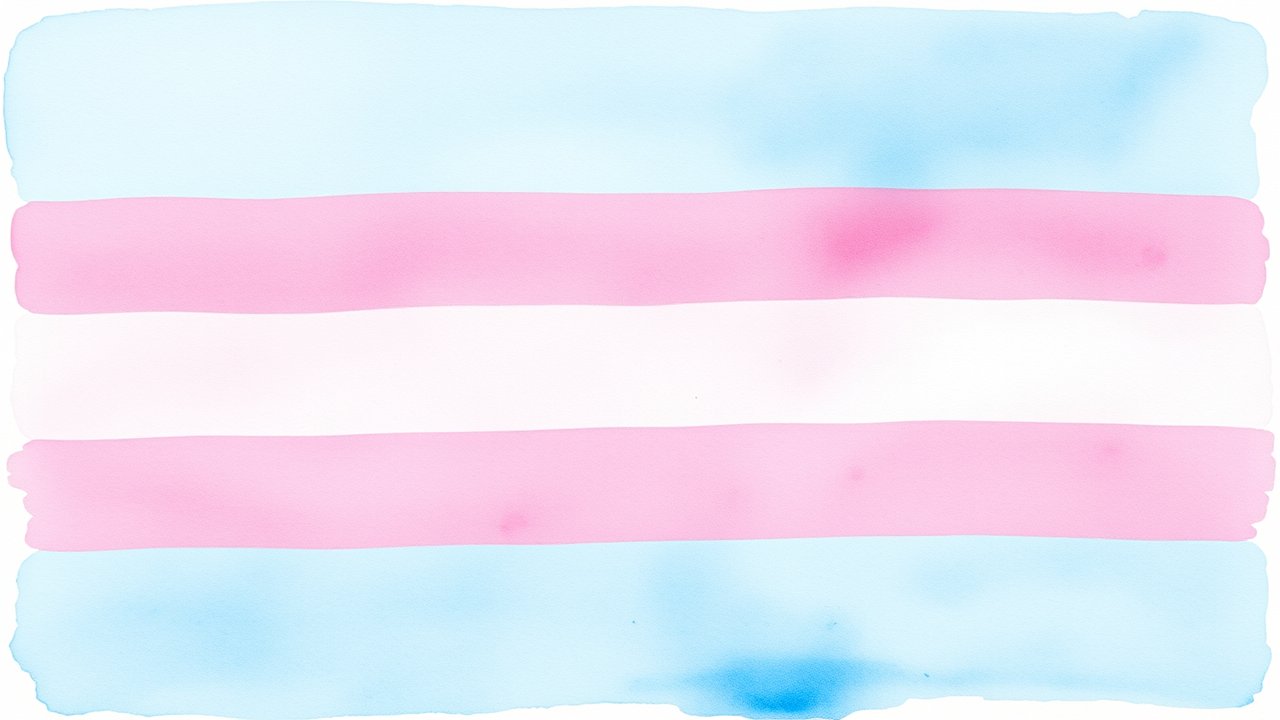
Watercolor — Five horizontal stripes: light blue, pink, white, pink, and light blue — the Transgender Pride flag. The flag of Trans painted in loose, expressive watercolor. Five horizontal stripes: light blue, pink, white, pink, and light blue — the Transgender Pride flag. Wet-on-wet technique with soft color bleeds, visible brushstrokes, natural paper texture. Delicate splashes and drips at the edges. Luminous, translucent layers of pigment. No text, no letters, no words, no writing of any kind.
The transgender flag stands as one of the most recognizable and widely adopted pride symbols in the modern LGBTQ+ movement. Its distinctive design and powerful symbolism have made it a beacon of visibility and acceptance for transgender individuals worldwide. The flag’s creation, rapid adoption, and cultural significance reflect the growing visibility and pride of the transgender community over the past two decades.
Origins and Creation
The transgender flag was created by Monica Helms, an American transgender woman, in August 1999. Helms was inspired to design the flag after a conversation with Michael Page, who had created the bisexual pride flag the previous year. Rather than adopting an existing symbol, Helms felt it was important for the transgender community to have its own distinctive flag that would represent their unique identity and experiences. The flag was first publicly displayed at a Pride celebration in Phoenix, Arizona, in 2000, marking the beginning of what would become a globally recognized symbol of trans pride and identity.
Design and Symbolism
The transgender flag features five horizontal stripes of equal width arranged in a specific color pattern: light blue, pink, white, pink, and light blue. Each color carries deliberate symbolic meaning rooted in traditional gender associations and the inclusive values of the trans community. The light blue stripes at the top and bottom represent the traditional color historically associated with baby boys, while the pink stripes represent the traditional color historically associated with baby girls. The white stripe in the middle is the most inclusive element of the design, representing those who are intersex, those who are transitioning, and those who identify as having a neutral or undefined gender identity.
One of the most elegant aspects of Helms’ design is its mathematical and conceptual symmetry. As Helms herself explained, the flag is correct no matter which way you fly it—the pattern is identical whether displayed upright or upside down, or whether viewed from either side. This intentional design choice carries profound symbolic weight: it represents the idea that there is no “wrong” way to be transgender, that all expressions of trans identity are valid, and that trans individuals can live authentically in whatever direction their lives take them. This symmetry became a central metaphor for trans acceptance and self-determination.
Rapid Adoption and Cultural Impact
Following its introduction in 2000, the transgender flag experienced remarkably rapid adoption throughout the LGBTQ+ community and beyond. Unlike many newly introduced pride symbols that take years to gain widespread recognition, Helms’ design quickly became ubiquitous at pride parades, community events, and demonstrations worldwide. The flag’s appealing color palette, simple geometric design, and powerful underlying message resonated strongly with transgender individuals seeking visual representation and community connection.
The speed of the flag’s adoption surprised even Helms herself. In her 2019 memoir, she reflected on how rapidly the symbol gained acceptance and expressed her pride and emotion whenever she witnessed it being displayed on historic buildings, government offices, and community spaces. This rapid embrace represented a significant shift in the visibility of transgender issues and the growing demand for explicit representation within the broader LGBTQ+ movement.
Institutional Recognition
The cultural importance and historical significance of the transgender flag received formal institutional recognition in 2014 when Monica Helms donated the original flag she had created fifteen years earlier to the Smithsonian National Museum of American History in Washington, D.C. This donation placed the transgender flag among the most important artifacts in American cultural history, acknowledging its role in documenting the transgender rights movement and the broader history of LGBTQ+ activism. The flag’s presence in the Smithsonian collection ensures that future generations will understand the symbol’s importance in trans community history.
Further mainstream recognition came in 2020 when the Unicode Consortium officially added a transgender flag emoji to its collection. The emoji adoption, based on Helms’ original design, extended the flag’s reach into digital communication and further normalized its presence in everyday online discourse. This digital adoption ensured that transgender individuals could easily display their flag and identity across social media platforms, messaging apps, and digital communities.
Evolution and Variations
While the five-striped design created by Monica Helms remains the standard and most widely recognized transgender flag, several variations have emerged over time, each reflecting different communities’ needs and identities. Some alternative designs incorporate the transgender symbol or modified color schemes to better represent specific cultural or regional communities. For example, a 2018 variation by designer Daniel Quasar created the Progress Pride Flag, which combines the transgender flag colors and symbolism with additional elements representing other marginalized LGBTQ+ communities, creating a more intersectional pride symbol.
These variations demonstrate how Helms’ original creation has become a foundation upon which other communities build, adapting and expanding the symbol to reflect evolving understandings of gender identity and community solidarity. However, the original five-stripe design remains the most recognized and universally adopted version, serving as the standard representation of transgender pride and identity globally.
Legacy and Continuing Significance
Today, the transgender flag designed by Monica Helms in 1999 has become an enduring symbol of transgender visibility, pride, and rights. From its humble beginnings at a Phoenix pride parade to its place in the Smithsonian Institution and digital adoption by billions of people online, the flag’s journey reflects the growing recognition and acceptance of transgender individuals in society. The flag continues to be displayed at pride events, community gatherings, and demonstrations worldwide, serving as a visual representation of trans identity and a powerful statement of existence and resilience. As the transgender community continues to fight for recognition, rights, and dignity, the flag remains a potent symbol of their ongoing struggle and their pride in who they are.