
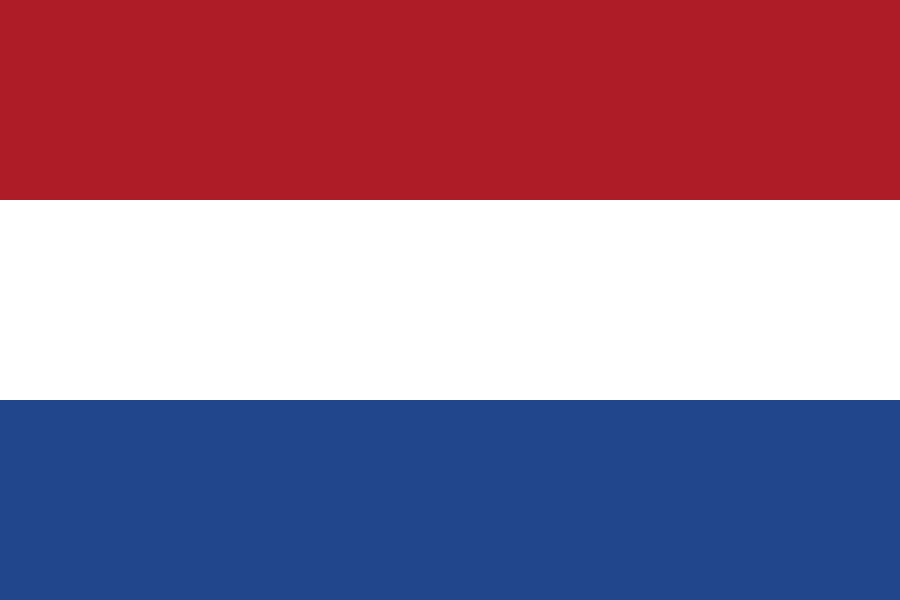
How To
How To
Time needed: 1 minute
Want the full printable classroom pack?
Take the flag reference from your screen to an offline pack for lessons, practice, and quiz time.
- Printable atlas with 230+ high-resolution flag flats
- Four regional quizzes with answer keys
- Flag Bingo boards and caller sheet
How to copy and paste the Flag of Netherlands Emoji to any device.
- Copy the Dutch Flag Emoji
Go to flagemoji.com and press the copy button (above). This works on any device.
- Paste the Emoji
Go to your email/iMessage/SMS texting service/document and paste the emoji.
For mobile devices
— double-tap or tap-hold, then paste should appear. Tap it.
For desktop and laptops on Apple devices
— command-P / ⌘-P
For desktop and laptops on Windows devices
— control-p
Codes
Emoji Codes
Flag emojis are unicode symbols, like any other letter or number on your keyboard. This means you can copy and paste the emoji itself into your code, whatever the language (click the button above).
They actually count as two characters: the two-letter country code (the ISO international standard). The unicode and shortcode both represent country data which devices can interpret and display the emoji.
| Country Code | Unicode | Shortcode |
| NL | U+1F1F3 U+1F1F1 | :flag_NL: :NL: |
Emoji shortcodes are used on some platforms as a way for users to type in emojis from the keyboard. If you type the emoji shortcode on Github or Slack, the emoji will appear.
*The official name of the emoji is only the country name, not ‘Netherlands Flag’, for example.
Description
Description
The flag of the Netherlands is composed of three equal horizontal bands of bright vermilion red (top), white, and cobalt blue. The colors were derived from those of William I, Prince of Orange, who led the Dutch Revolt against Spanish sovereignty in the latter half of the 16th century. Originally the upper band was orange, but because its dye tended to turn red over time, the red shade was eventually made the permanent color. The banner is perhaps the oldest tricolor in continuous use.
Map
Map
Check out the map of Vietnam!
Weather
Anthem
National Anthem
| Title | Het Wilhelmus (The William) |
| Composer | Philips Van Marnix van Sint Aldegonde |
FAQ
FAQs
Netherlands celebrate their Independence Day on the 26th of July; the day they declared independence with the Act of Abjuration in 1581.
The colors were derived from those of William I, Prince of Orange, who led the Dutch Revolt against Spanish sovereignty in the latter half of the 16th century. Originally the upper band was orange, but because its dye tended to turn red over time, the red shade was eventually made the permanent color.
The Dutch flag was officially adopted on February 19, 1937.
Netherlands is governed by a parliamentary constitutional monarchy.
Discover more fun facts of Holy See.
Printable
Printable Dutch Flag
Print another really cool flag. Why not the flag of Bahrain?
The Flag of the Netherlands: A Testament to Liberty and National Identity
The flag of the Netherlands—a tricolor of red, white, and blue in horizontal stripes—stands as one of the oldest national flags in continuous use and the prototype for countless liberation movements worldwide. Its evolution reflects four centuries of Dutch history, from the struggle for independence against Spanish dominion to its current status as a symbol of freedom and democratic values. Understanding this flag requires tracing both its visual transformation and the ideological currents that shaped its meaning.
Origins in the Dutch Revolt (1566-1648)
The Netherlands flag did not emerge fully formed but rather evolved from the tumultuous period of the Dutch Revolt against Spanish Habsburg rule. During the Eighty Years’ War (1568-1648), the Dutch provinces fought for independence from Spain under the leadership of the House of Orange. The original flag associated with this struggle was the Prince’s Flag (Prinsenvlag), consisting of horizontal stripes of orange, white, and blue. This flag derived its orange from William I of Orange (Willem van Oranje), also known as William the Silent, who became the symbol and leader of Dutch resistance.
The Prince’s Flag first appeared prominently during the Battle of the Texel in 1573 and became the de facto standard of the Dutch rebel fleet during the naval campaigns against Spain. Ships flying this orange-white-blue standard became synonymous with Dutch naval power and liberation. For over a century, this remained the recognized flag of the Dutch people, flown by privateers, merchants, and military vessels operating from the Dutch ports that increasingly challenged Spanish authority.
The Transition: Orange to Red (17th Century)
By the seventeenth century, as Dutch political power consolidated and the Spanish threat receded, a significant shift occurred in the flag’s design. During the period of the Dutch Golden Age (roughly 1588-1672), when the Dutch achieved commercial and naval supremacy, the flag gradually changed from orange-white-blue to red-white-blue. Several factors drove this transformation.
First, practical maritime considerations influenced the change. Orange, as a dye, was difficult to produce consistently and faded more rapidly than other colors when exposed to salt water and intense sunlight. Red, derived from madder root (a more stable and abundant dye source), proved more durable and visible from greater distances at sea—a crucial advantage in naval warfare and commerce. As the Dutch merchant marine and navy expanded globally, the need for flags that could withstand extended ocean voyages became paramount.
Second, the shift reflected changing symbolism. While the House of Orange remained politically significant, the newly independent Dutch Republic sought to emphasize national unity rather than allegiance to a single dynasty. The red-white-blue flag could transcend dynastic association and represent the collective will of the united provinces. This broader interpretation helped solidify national identity during a period of institutional consolidation.
The transition was gradual rather than sudden. Throughout the 1600s, both orange-white-blue and red-white-blue flags appeared in Dutch records and maritime records, with the red variant increasingly becoming the official standard. By the early eighteenth century, red-white-blue had become the de facto national flag, though the orange-white-blue combination remained significant in cultural memory and political iconography.
Symbolism of the Colors and Design
The red-white-blue flag’s three colors carry multiple layers of meaning. The horizontal orientation—inherited from the Prince’s Flag—distinguishes the Dutch standard from vertical tricolors that would emerge elsewhere in Europe. The proportions, typically displayed in a 2:3 ratio (height to width), create a balanced, harmonious design suitable for both official and informal display.
The color symbolism evolved over time. Red, in historical heraldic tradition, represented courage, strength, and military prowess—qualities the Dutch demonstrated repeatedly throughout their wars of independence and subsequent conflicts. White symbolized purity, peace, and honesty—virtues the Republic aspired to in its governance and commerce. Blue, appearing at the bottom of the flag, traditionally represented vigilance and perseverance, reflecting the Dutch character formed by centuries of battling the sea and foreign powers.
The horizontal arrangement itself holds meaning. Unlike vertical tricolors that suggest compartmentalization, horizontal stripes create a unified whole, visually expressing the principle of provincial confederation that characterized the Dutch Republic. The stripes flow from one to the next without separation, embodying the unity necessary for the small nation to achieve and maintain independence.
Historical Recognition and Standardization
The red-white-blue flag gradually gained official recognition throughout the eighteenth century. By the time of the Batavian Republic (1795-1806), it was clearly established as the national emblem. However, formal legal designation came surprisingly late. The flag was not officially specified in Dutch law until the revision of the Constitution in 1937, when its description was formally codified. This long delay reflected the pragmatic Dutch approach to national symbolism—the flag’s legitimacy came from consistent use and popular acceptance rather than formal decree.
During the nineteenth and twentieth centuries, the flag underwent no substantive design changes. The three horizontal stripes remained constant, establishing a remarkable continuity of national symbolism spanning four centuries. This stability contrasts sharply with the tumultuous redesigns other nations undertook during periods of regime change, making the Dutch flag a symbol of constancy amid historical disruption.
International Influence and Legacy
The Dutch flag achieved unprecedented global significance through its influence on flags of liberation movements. When Latin American colonies rebelled against Spanish rule in the early nineteenth century, many adopted variations of the red-white-blue horizontal tricolor, inspired by the Dutch example of successful independence. The French Tricolor, while predating Dutch independence, reinforced this horizontal stripe pattern across European revolutionary movements. The Netherlands flag thus became shorthand for national sovereignty and democratic aspiration across continents.
This legacy continues today. The horizontal tricolor remains the dominant flag format globally, with numerous nations employing this design that the Dutch pioneered and perfected. From Indonesia (whose flag evolved directly from the Dutch colonial flag) to South Africa, the red-white-blue motif appears repeatedly in global vexillology, testament to the profound cultural influence exerted by this relatively small nation.
Notable Facts and Contemporary Significance
Several fascinating details enhance understanding of the Dutch flag. During Nazi occupation (1940-1945), the flag was banned; displaying it became a quiet act of resistance, making it a symbol of liberation that transcended its historical military meaning. The post-war renewal of flag display held profound emotional significance for Dutch citizens reclaiming national identity.
The flag’s proportions (2:3 ratio) are enshrined in law, yet are frequently misrepresented in commercial applications, suggesting that cultural symbolism often outpaces technical precision in public consciousness. The orange-white-blue Prince’s Flag, while not the official national flag, remains culturally significant and is often displayed alongside the national flag during royal occasions and at the Dutch royal palaces, maintaining connection to historical roots.
Today, the Dutch flag represents not only national identity but also Dutch international commitments: participating in the European Union, maintaining democratic values, and upholding international law. From its origins in rebellion against tyranny to its current representation of a stable, prosperous democracy, the flag of the Netherlands embodies the historical arc of a nation that transformed from provincial subjects into pioneers of independence and democratic governance.
3D Glossy Render — Three horizontal stripes of red, white, and blue. The flag of Netherlands as a photorealistic 3D render. Three horizontal stripes of red, white, and blue. The flag fabric hangs or drapes naturally but preserves exact proportions, colors, and all symbols perfectly — completely faithful to the real Netherlands flag. Dramatic studio lighting, glossy silk material, soft shadows, subsurface scattering, perfect specular highlights. No text, no letters, no words, no writing of any kind.
Chalk on Blackboard — Three horizontal stripes of red, white, and blue. The flag of Netherlands drawn in chalk on a real blackboard. Three horizontal stripes of red, white, and blue. Authentic blackboard — dark slate green surface with chalk dust and smudge marks. Soft, dusty white and colored chalk lines, imperfect edges, hand-drawn quality. Chalk dust particles visible in the air. The flag is immediately recognizable. No text, no letters, no words, no writing of any kind.
Embroidered Textile — Three horizontal stripes of red, white, and blue. The flag of Netherlands as intricate embroidery on linen fabric. Three horizontal stripes of red, white, and blue. Dense satin stitches, French knots, chain stitch detail. The flag design is completely faithful — exact colors, geometry, and all symbols faithfully stitched, immediately recognizable as the Netherlands flag. Visible thread texture, dimensional quality, warm handcrafted feel. No text, no letters, no words, no writing of any kind.
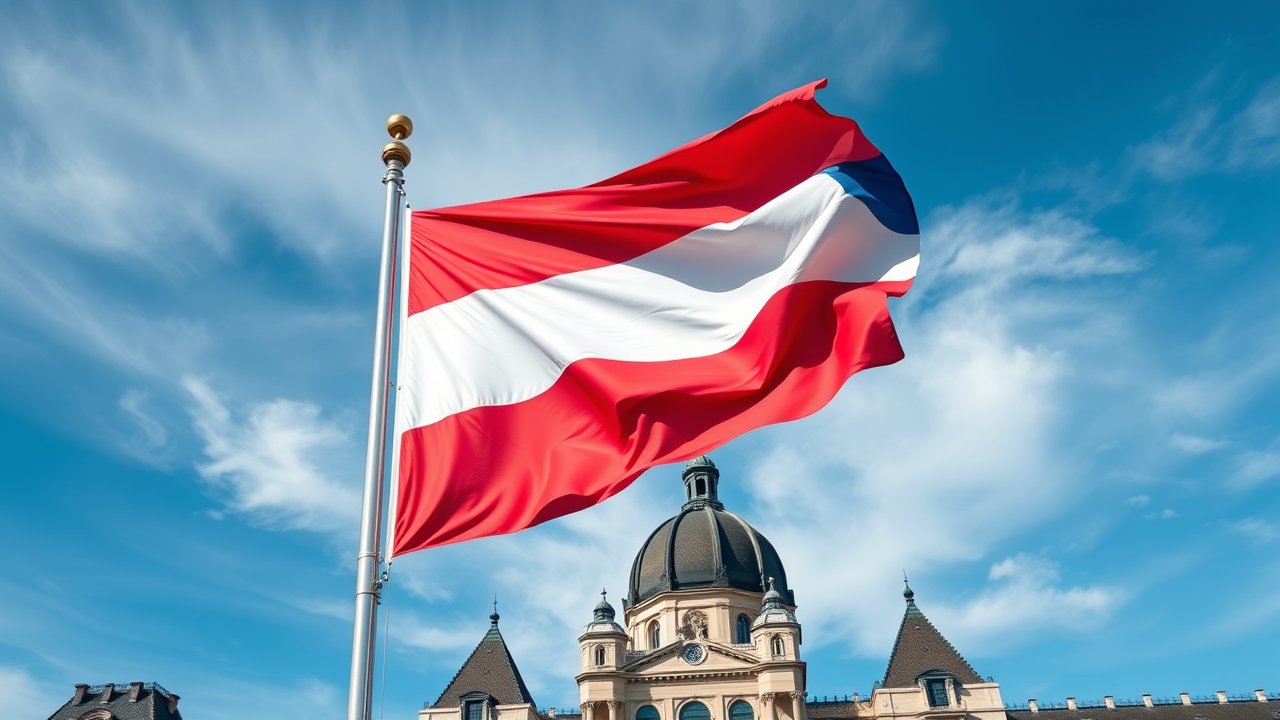
Flagpole in Capital — Three horizontal stripes of red, white, and blue. Photorealistic photograph of the Netherlands flag flying on a tall flagpole in front of an iconic government building in the capital city. Three horizontal stripes of red, white, and blue. The flag ripples naturally in the wind, colors vivid and exact. Documentary photography style, sharp and realistic. Grand architecture in the background. Blue sky, dramatic clouds. No text, no letters, no words, no writing of any kind.
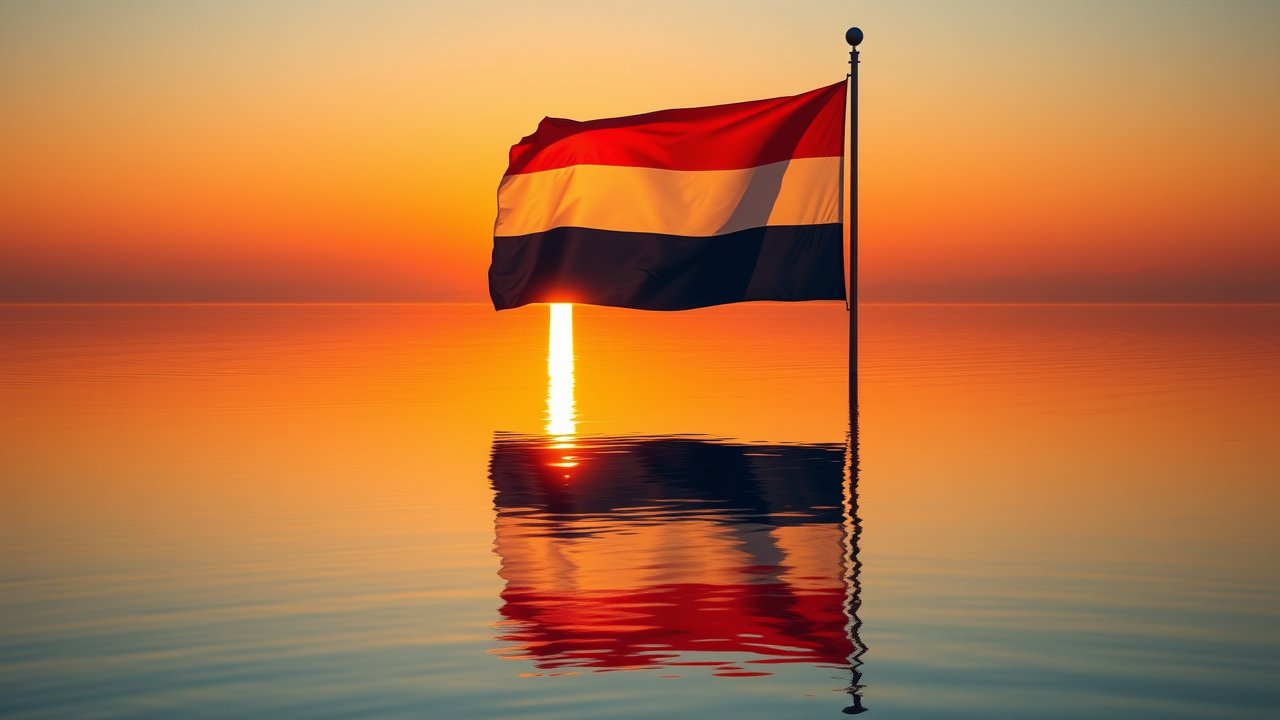
Golden Hour Reflection — Three horizontal stripes of red, white, and blue. Photorealistic photograph of the Netherlands flag reflected in still water at golden hour. Three horizontal stripes of red, white, and blue. The flag flies on a pole at the water’s edge, its reflection shimmering on the surface below. Warm amber and orange sunset light. The flag colors and design are faithful and vivid. Serene, cinematic landscape photography. No text, no letters, no words, no writing of any kind.
Street Art / Graffiti — Three horizontal stripes of red, white, and blue. The flag of Netherlands as vibrant street art spray-painted on a brick wall. Three horizontal stripes of red, white, and blue. Bold spray paint, dripping edges, stencil layers, overspray halos. The flag design is faithful and immediately recognizable — exact colors and symbols, just rendered in spray paint on urban concrete. No text, no letters, no words, no writing of any kind. No tags, no graffiti lettering.
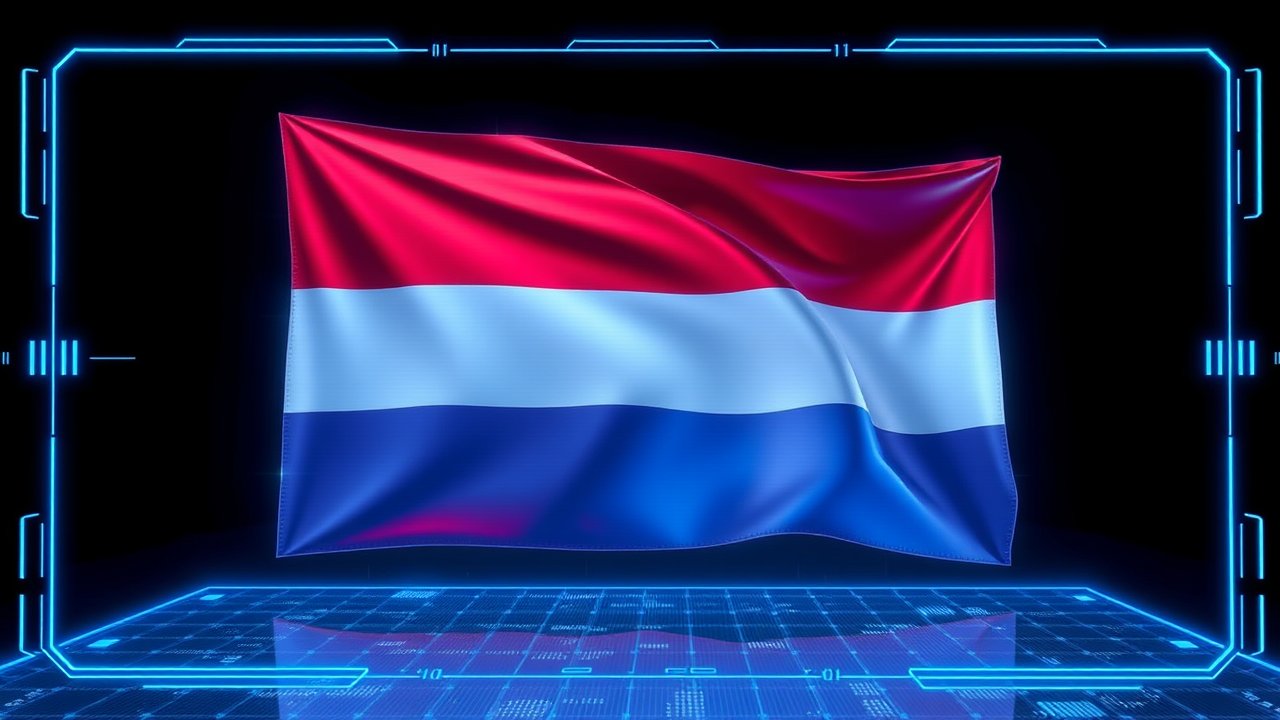
Sci-Fi Hologram — Three horizontal stripes of red, white, and blue. The flag of Netherlands projected as a futuristic holographic display. Three horizontal stripes of red, white, and blue. Translucent blue-white projection with scan lines, floating in dark space. Glitching edges, particle effects, data streams. The flag design is completely faithful and recognizable. Cyberpunk HUD elements framing the projection. No text, no letters, no words, no writing of any kind.
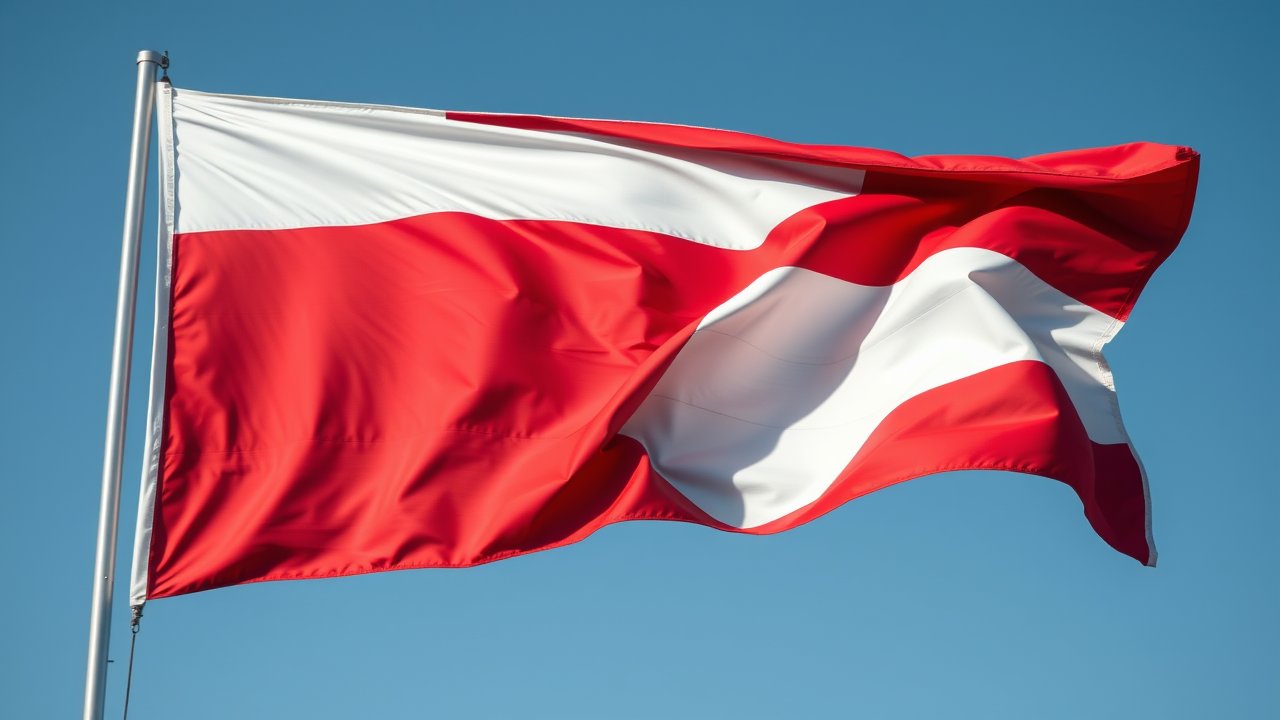
Hyperrealistic Wind — Three horizontal stripes of red, white, and blue. Ultra-hyperrealistic photograph of the Netherlands flag caught in a dramatic gust of wind. Three horizontal stripes of red, white, and blue. Macro-level fabric detail — individual threads visible, fabric folds and tension lines crisp. Colors and design completely faithful to the real Netherlands flag. High-speed shutter, razor-sharp focus, studio lighting. No text, no letters, no words, no writing of any kind.
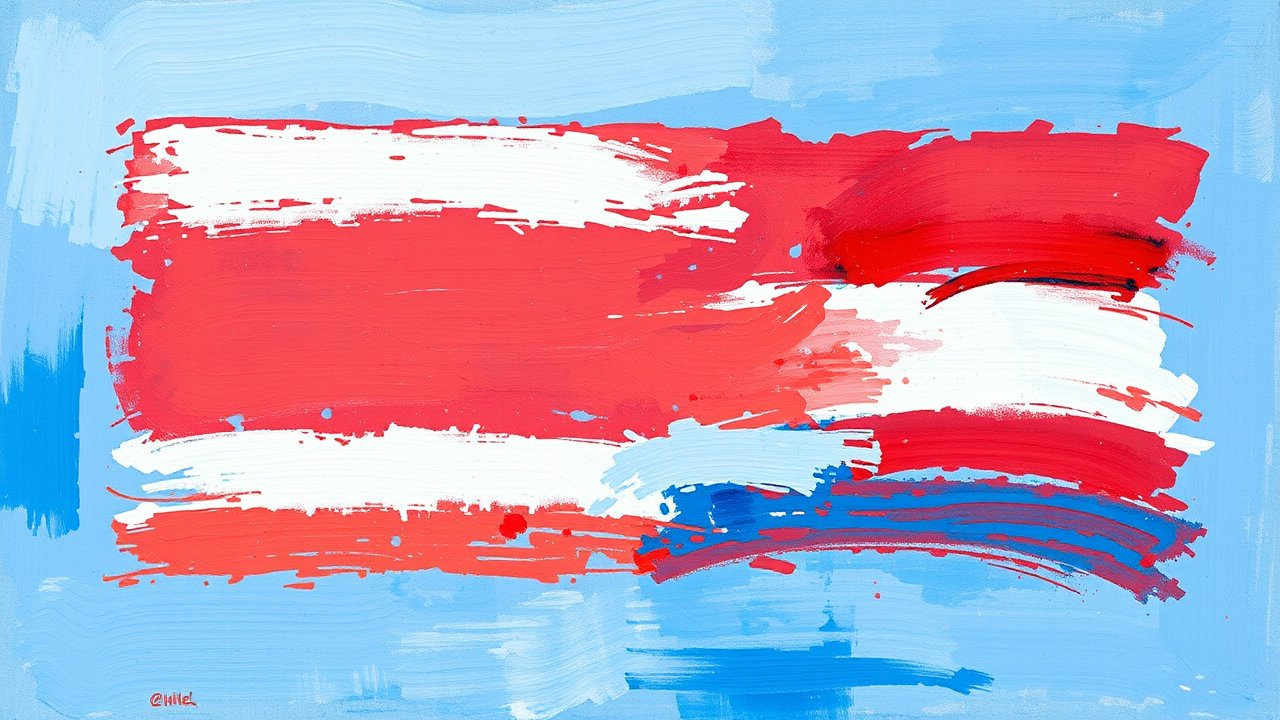
Impressionist Oil — Three horizontal stripes of red, white, and blue. The flag of Netherlands painted in French Impressionist oil on canvas. Three horizontal stripes of red, white, and blue. Thick impasto brushstrokes, dappled light, vibrant broken color technique in the style of Monet. The flag is instantly recognizable — colors and design faithful to the real Netherlands flag, interpreted with impressionist light and texture. No text, no letters, no words, no writing of any kind.
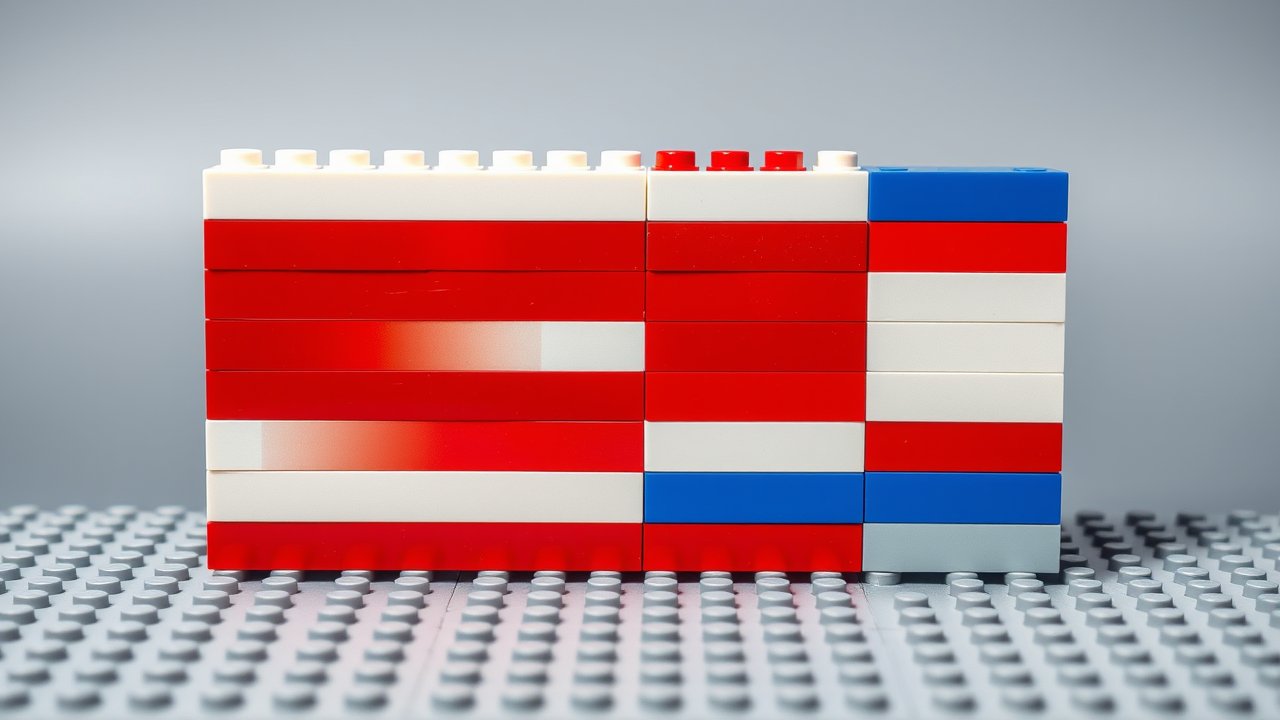
Lego Bricks — Three horizontal stripes of red, white, and blue. The flag of Netherlands built from Lego bricks, photographed as a real physical construction. Three horizontal stripes of red, white, and blue. Visible studs and brick seams, slight plastic sheen. Standard Lego colors approximate the flag’s palette. Built on a gray Lego baseplate. Dramatic angle showing the three-dimensional brick texture. No text, no letters, no words, no writing of any kind.
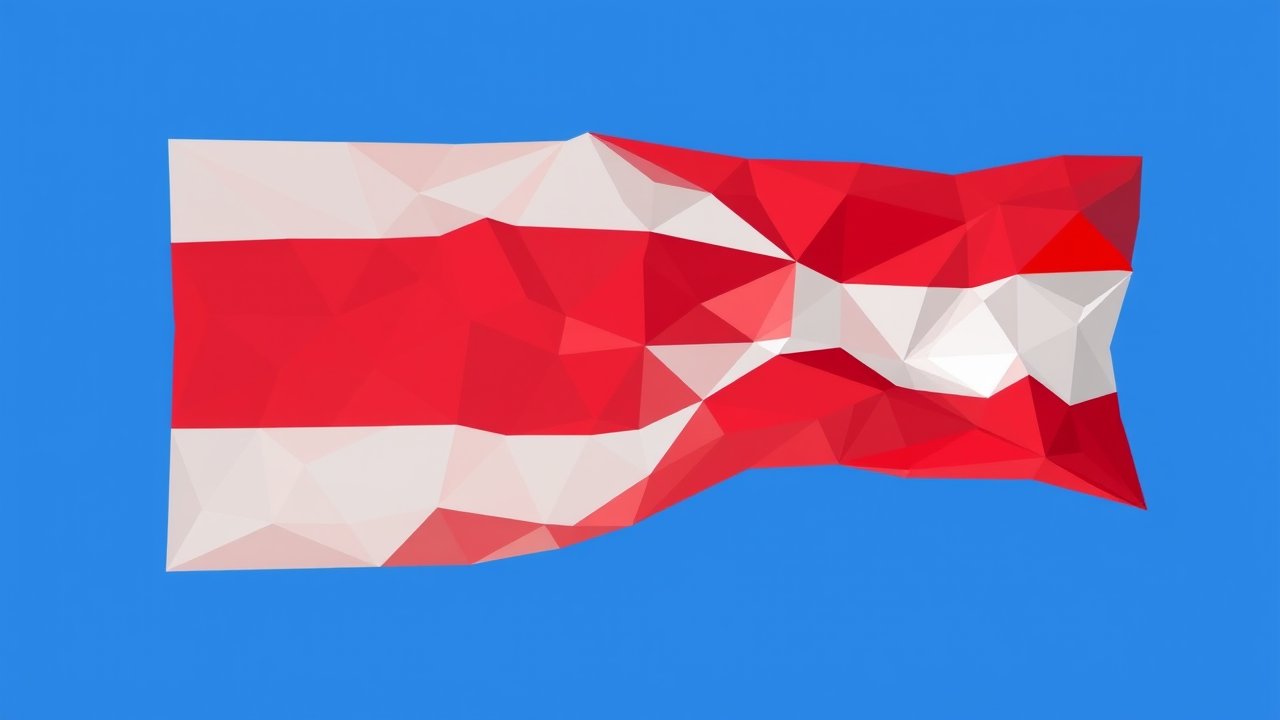
Low-Poly Geometric — Three horizontal stripes of red, white, and blue. The flag of Netherlands constructed from low-polygon geometric triangles. Three horizontal stripes of red, white, and blue. Aggressively faceted — each region broken into many visible triangular faces with subtle color variation across each polygon, creating real depth and dimensionality even in flat-color areas of the flag. Crystal-like, contemporary computational design. The flag is completely faithful and immediately recognizable. No text, no letters, no words, no writing of any kind.
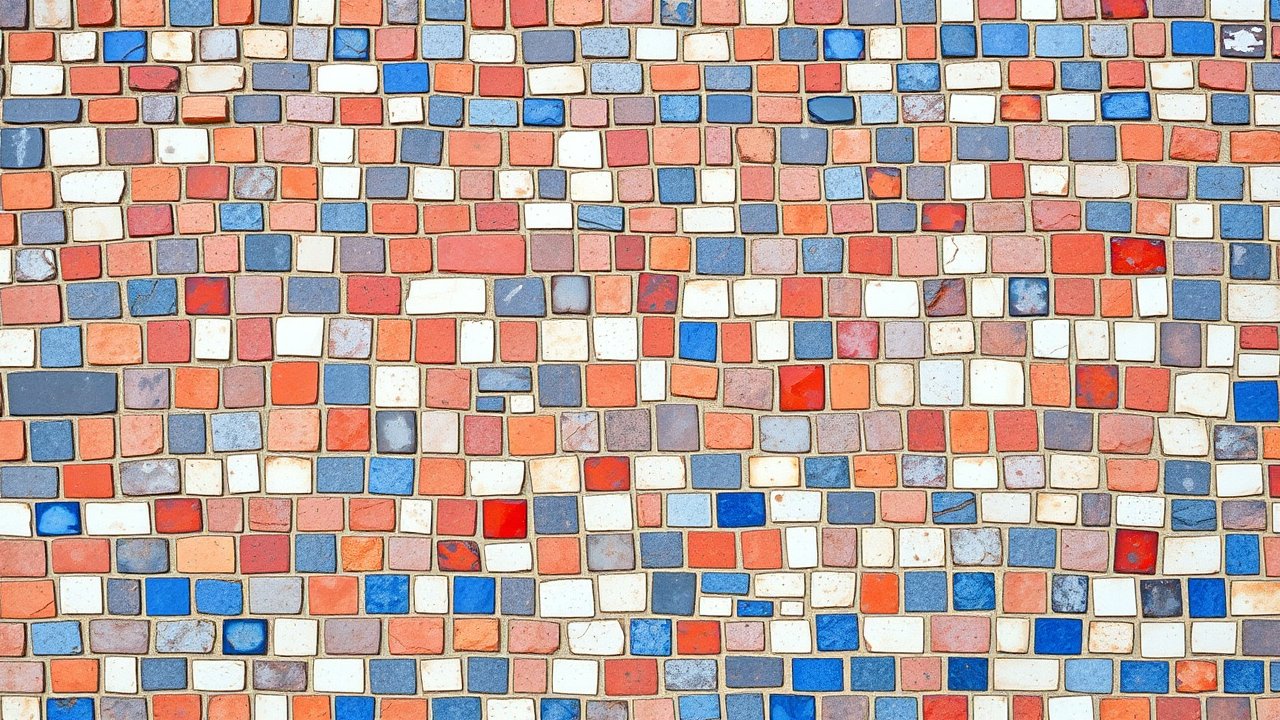
Mosaic Tiles — Three horizontal stripes of red, white, and blue. The flag of Netherlands assembled as a Roman-style mosaic. Three horizontal stripes of red, white, and blue. The flag is completely faithful to the real Netherlands flag — exact proportions, colors, and all symbols, rendered in thousands of small stone and glass tesserae. Visible grout lines, rich earthy tones mixed with brilliant glass, slight historical weathering. No text, no letters, no words, no writing of any kind.
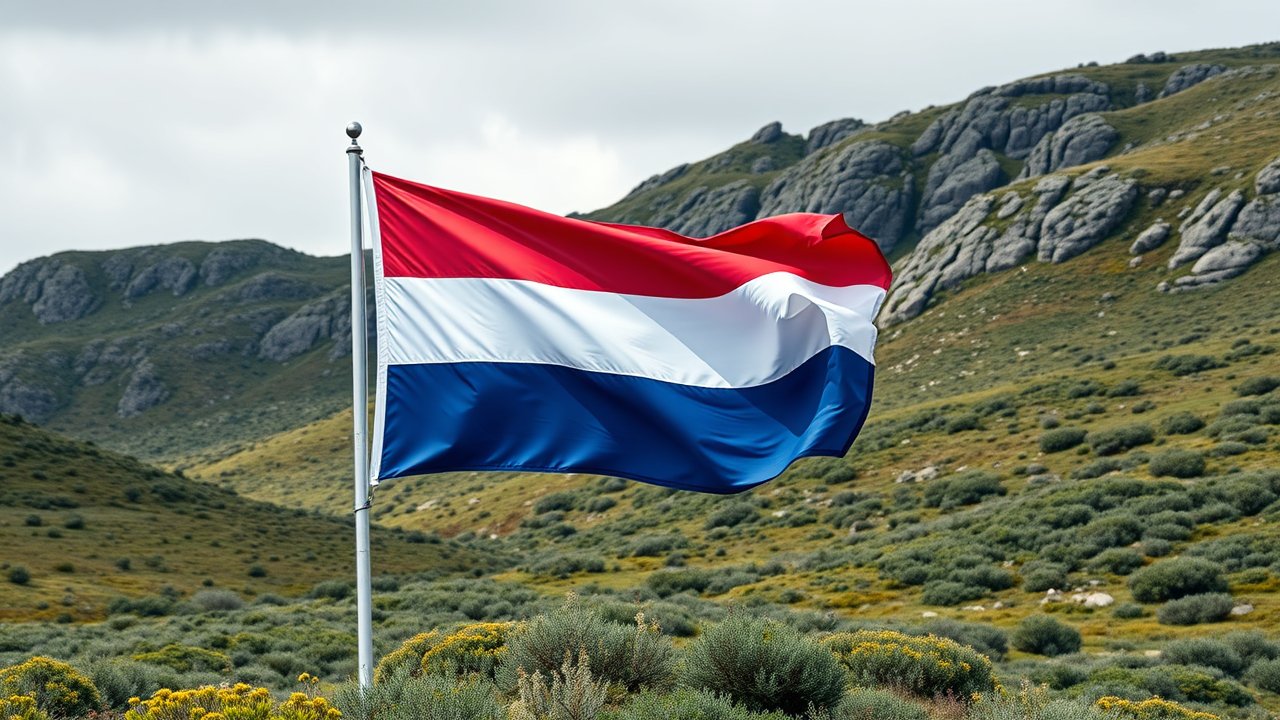
Native Landscape — Three horizontal stripes of red, white, and blue. Photorealistic photograph of the Netherlands flag flying in an iconic natural landscape native to Netherlands — the terrain, flora, and environment characteristic of that country. Three horizontal stripes of red, white, and blue. The flag is prominent and its colors are faithful and vivid. Remote, uninhabited wilderness. National Geographic photography style. No text, no letters, no words, no writing of any kind.
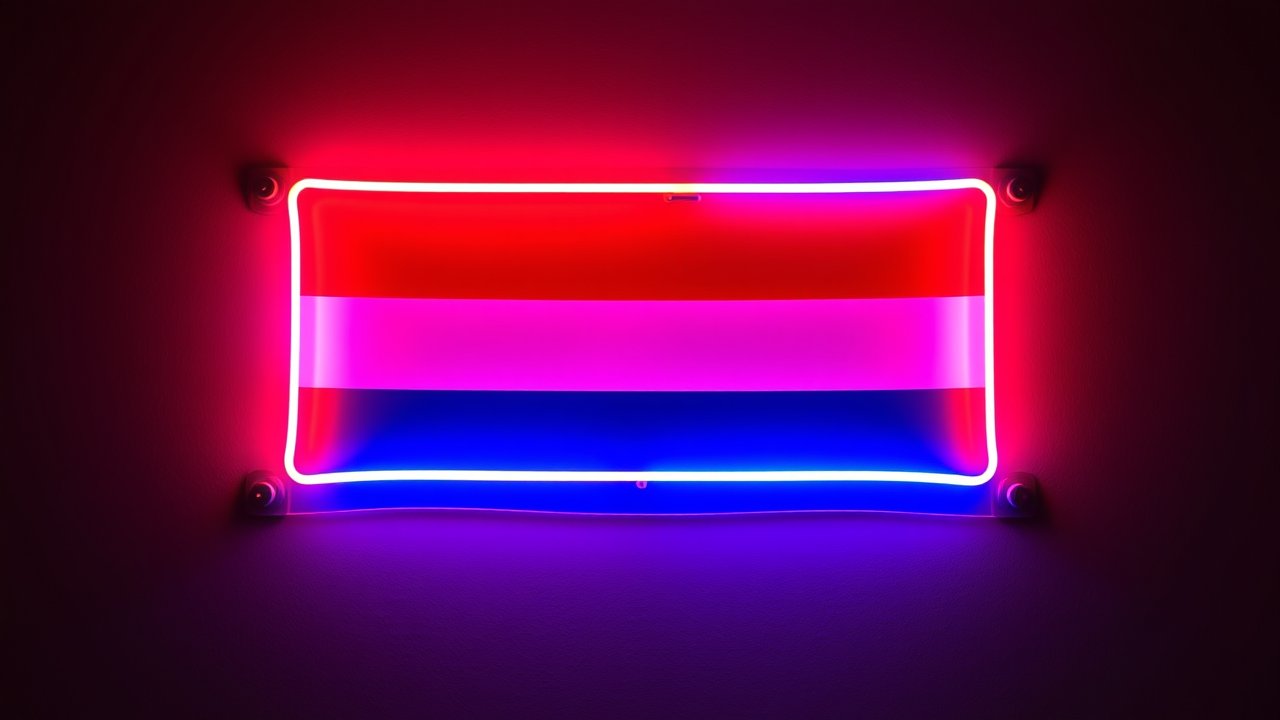
Neon Sign — Three horizontal stripes of red, white, and blue. The flag of Netherlands recreated as a real neon sign mounted on a dark wall. Three horizontal stripes of red, white, and blue. Glowing glass neon tubes bent into the flag’s shapes — the colors of the flag rendered in actual neon light. Visible glass tube bends, metal mounting brackets on the wall. Warm neon glow and light bloom. Real neon, not digital. Photographed in a dark room. No text, no letters, no words, no writing of any kind.
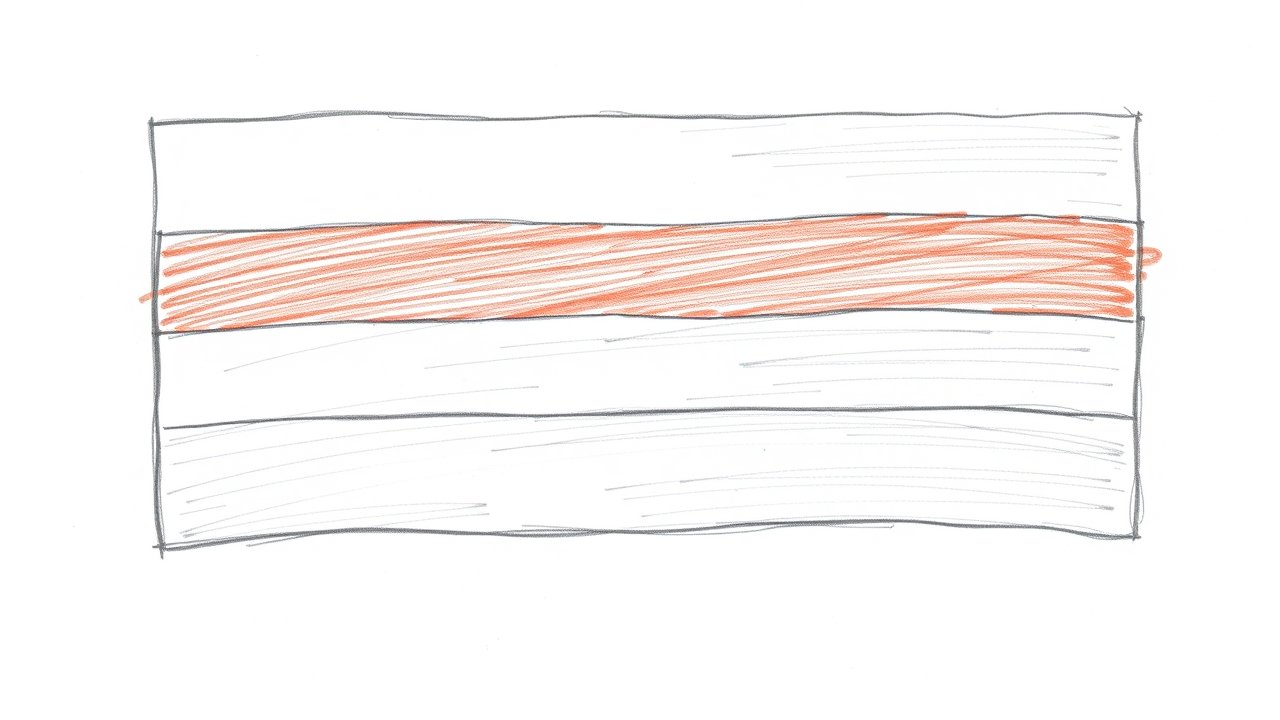
Pencil Sketch — Three horizontal stripes of red, white, and blue. The flag of Netherlands as a bold, confident pencil sketch. Three horizontal stripes of red, white, and blue. Strong graphite lines on cream paper — not delicate but bold and decisive. Heavy pressure on key outlines, dramatic cross-hatching for deep shadows and shading. Immediately recognizable as the Netherlands flag. Artist’s confident hand, not tentative. No text, no letters, no words, no writing of any kind.
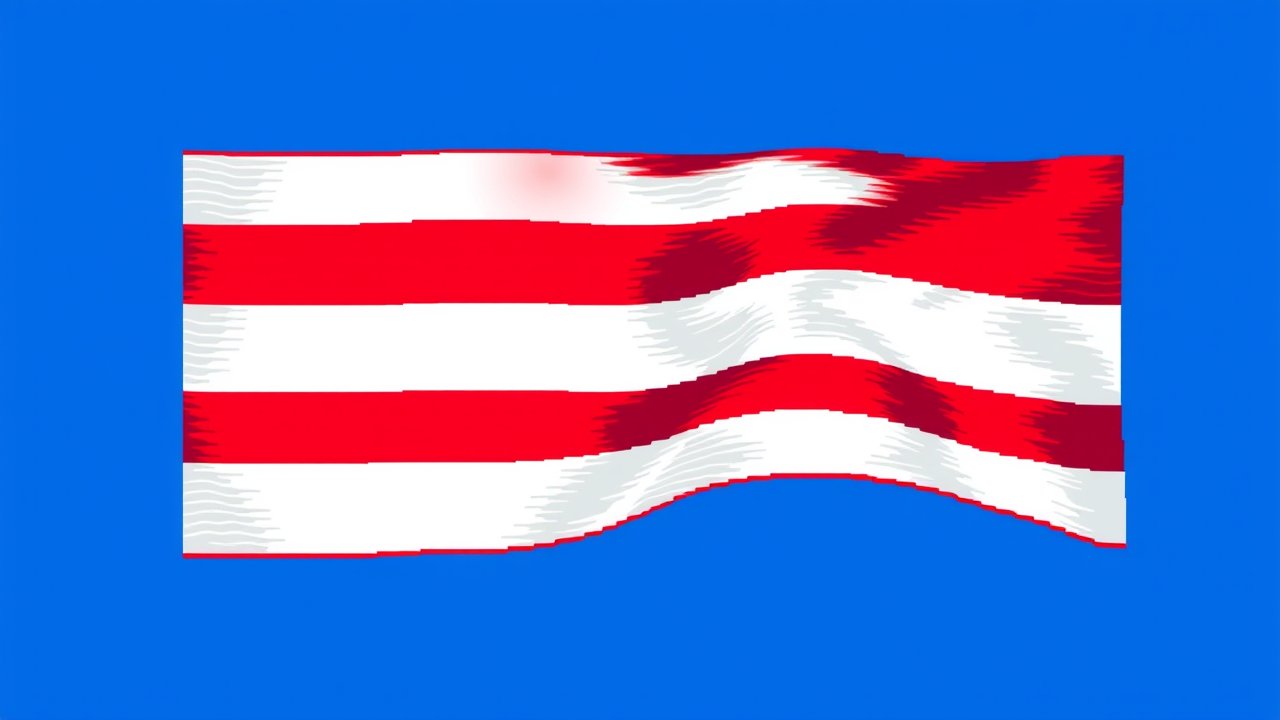
Pixel Art — Three horizontal stripes of red, white, and blue. The flag of Netherlands as detailed 16-bit pixel art. Three horizontal stripes of red, white, and blue. Crisp pixel grid, limited palette with careful dithering, nostalgic retro game aesthetic. Clean grid-aligned design with subtle shading. Every element of the flag faithfully reproduced in pixels. No text, no letters, no words, no writing of any kind.

Stained Glass — Three horizontal stripes of red, white, and blue. The flag of Netherlands rendered as an ornate stained glass window. Three horizontal stripes of red, white, and blue. The design is completely faithful to the real Netherlands flag — exact colors, geometry, and all symbols preserved. Brilliant jewel-toned glass pieces separated by dark lead came lines. Warm sunlight streaming through, casting colored light. Gothic cathedral craftsmanship. No text, no letters, no words, no writing of any kind.
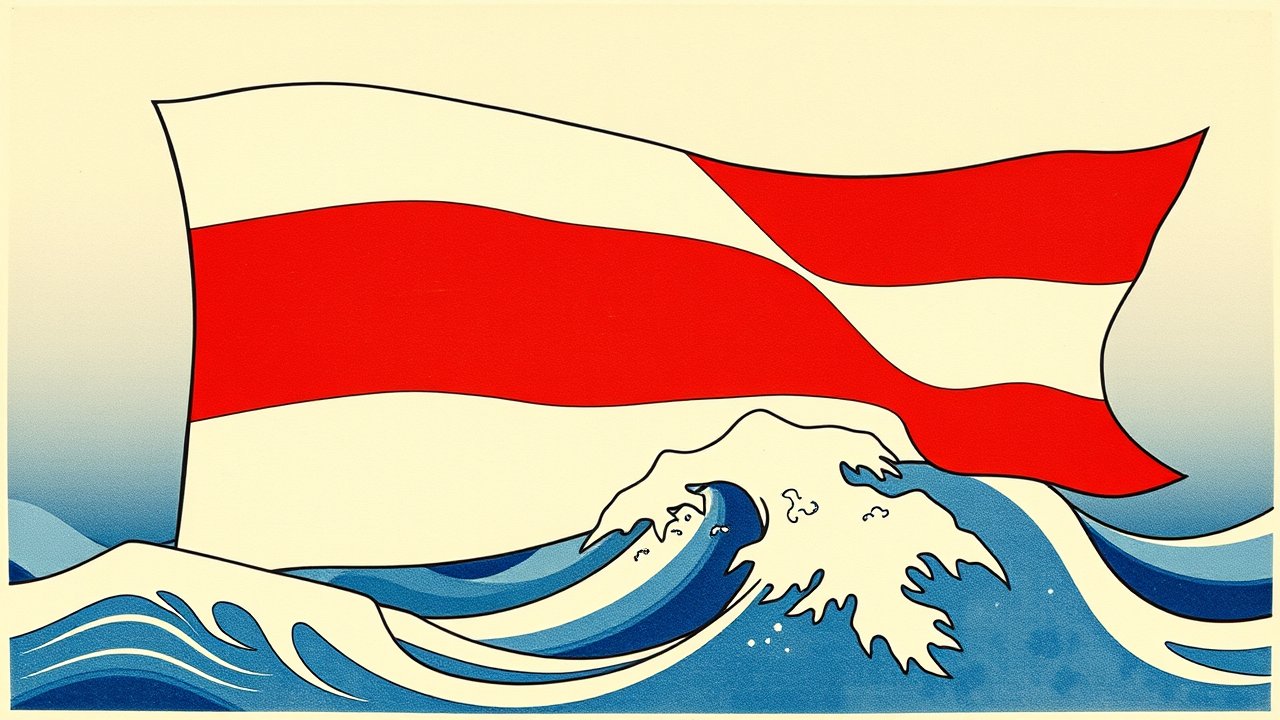
Ukiyo-e Woodblock — Three horizontal stripes of red, white, and blue. The flag of Netherlands as a traditional Japanese ukiyo-e woodblock print. Three horizontal stripes of red, white, and blue. Bold outlines, flat areas of rich color, flowing organic forms. Wind and waves incorporated into the composition. Printed on washi paper with visible wood grain texture. The flag is the central focus and instantly recognizable. No text, no letters, no words, no writing of any kind.
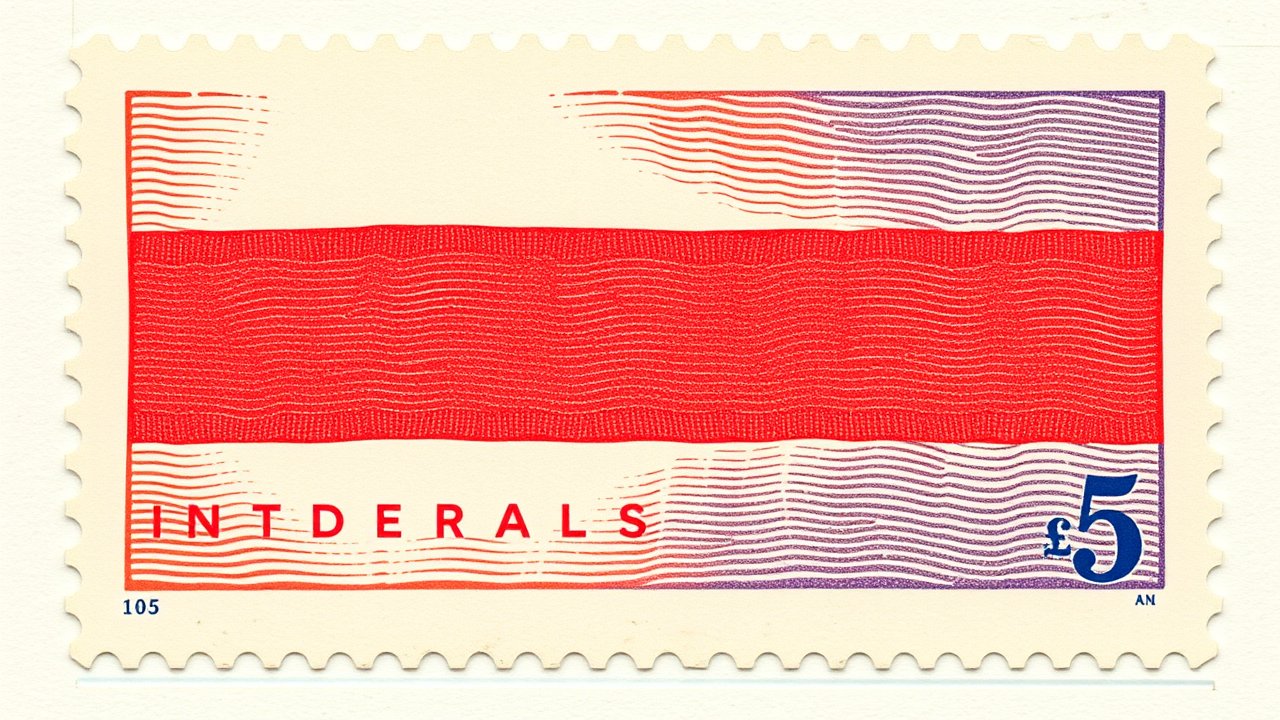
Vintage Postage Stamp — Three horizontal stripes of red, white, and blue. The flag of Netherlands as a vintage 1950s postage stamp. Three horizontal stripes of red, white, and blue. The flag fills most of the stamp — it is the primary subject, faithfully rendered in fine engraved intaglio style. Perforated edges, aged paper with slight foxing. The stamp may show a denomination numeral only — absolutely no other text or country names.
Watercolor — Three horizontal stripes of red, white, and blue. The flag of Netherlands painted in loose, expressive watercolor. Three horizontal stripes of red, white, and blue. Wet-on-wet technique with soft color bleeds, visible brushstrokes, natural paper texture. Delicate splashes and drips at the edges. Luminous, translucent layers of pigment. No text, no letters, no words, no writing of any kind.
The Flag of the Netherlands: A Testament to Liberty and National Identity
The flag of the Netherlands—a tricolor of red, white, and blue in horizontal stripes—stands as one of the oldest national flags in continuous use and the prototype for countless liberation movements worldwide. Its evolution reflects four centuries of Dutch history, from the struggle for independence against Spanish dominion to its current status as a symbol of freedom and democratic values. Understanding this flag requires tracing both its visual transformation and the ideological currents that shaped its meaning.
Origins in the Dutch Revolt (1566-1648)
The Netherlands flag did not emerge fully formed but rather evolved from the tumultuous period of the Dutch Revolt against Spanish Habsburg rule. During the Eighty Years’ War (1568-1648), the Dutch provinces fought for independence from Spain under the leadership of the House of Orange. The original flag associated with this struggle was the Prince’s Flag (Prinsenvlag), consisting of horizontal stripes of orange, white, and blue. This flag derived its orange from William I of Orange (Willem van Oranje), also known as William the Silent, who became the symbol and leader of Dutch resistance.
The Prince’s Flag first appeared prominently during the Battle of the Texel in 1573 and became the de facto standard of the Dutch rebel fleet during the naval campaigns against Spain. Ships flying this orange-white-blue standard became synonymous with Dutch naval power and liberation. For over a century, this remained the recognized flag of the Dutch people, flown by privateers, merchants, and military vessels operating from the Dutch ports that increasingly challenged Spanish authority.
The Transition: Orange to Red (17th Century)
By the seventeenth century, as Dutch political power consolidated and the Spanish threat receded, a significant shift occurred in the flag’s design. During the period of the Dutch Golden Age (roughly 1588-1672), when the Dutch achieved commercial and naval supremacy, the flag gradually changed from orange-white-blue to red-white-blue. Several factors drove this transformation.
First, practical maritime considerations influenced the change. Orange, as a dye, was difficult to produce consistently and faded more rapidly than other colors when exposed to salt water and intense sunlight. Red, derived from madder root (a more stable and abundant dye source), proved more durable and visible from greater distances at sea—a crucial advantage in naval warfare and commerce. As the Dutch merchant marine and navy expanded globally, the need for flags that could withstand extended ocean voyages became paramount.
Second, the shift reflected changing symbolism. While the House of Orange remained politically significant, the newly independent Dutch Republic sought to emphasize national unity rather than allegiance to a single dynasty. The red-white-blue flag could transcend dynastic association and represent the collective will of the united provinces. This broader interpretation helped solidify national identity during a period of institutional consolidation.
The transition was gradual rather than sudden. Throughout the 1600s, both orange-white-blue and red-white-blue flags appeared in Dutch records and maritime records, with the red variant increasingly becoming the official standard. By the early eighteenth century, red-white-blue had become the de facto national flag, though the orange-white-blue combination remained significant in cultural memory and political iconography.
Symbolism of the Colors and Design
The red-white-blue flag’s three colors carry multiple layers of meaning. The horizontal orientation—inherited from the Prince’s Flag—distinguishes the Dutch standard from vertical tricolors that would emerge elsewhere in Europe. The proportions, typically displayed in a 2:3 ratio (height to width), create a balanced, harmonious design suitable for both official and informal display.
The color symbolism evolved over time. Red, in historical heraldic tradition, represented courage, strength, and military prowess—qualities the Dutch demonstrated repeatedly throughout their wars of independence and subsequent conflicts. White symbolized purity, peace, and honesty—virtues the Republic aspired to in its governance and commerce. Blue, appearing at the bottom of the flag, traditionally represented vigilance and perseverance, reflecting the Dutch character formed by centuries of battling the sea and foreign powers.
The horizontal arrangement itself holds meaning. Unlike vertical tricolors that suggest compartmentalization, horizontal stripes create a unified whole, visually expressing the principle of provincial confederation that characterized the Dutch Republic. The stripes flow from one to the next without separation, embodying the unity necessary for the small nation to achieve and maintain independence.
Historical Recognition and Standardization
The red-white-blue flag gradually gained official recognition throughout the eighteenth century. By the time of the Batavian Republic (1795-1806), it was clearly established as the national emblem. However, formal legal designation came surprisingly late. The flag was not officially specified in Dutch law until the revision of the Constitution in 1937, when its description was formally codified. This long delay reflected the pragmatic Dutch approach to national symbolism—the flag’s legitimacy came from consistent use and popular acceptance rather than formal decree.
During the nineteenth and twentieth centuries, the flag underwent no substantive design changes. The three horizontal stripes remained constant, establishing a remarkable continuity of national symbolism spanning four centuries. This stability contrasts sharply with the tumultuous redesigns other nations undertook during periods of regime change, making the Dutch flag a symbol of constancy amid historical disruption.
International Influence and Legacy
The Dutch flag achieved unprecedented global significance through its influence on flags of liberation movements. When Latin American colonies rebelled against Spanish rule in the early nineteenth century, many adopted variations of the red-white-blue horizontal tricolor, inspired by the Dutch example of successful independence. The French Tricolor, while predating Dutch independence, reinforced this horizontal stripe pattern across European revolutionary movements. The Netherlands flag thus became shorthand for national sovereignty and democratic aspiration across continents.
This legacy continues today. The horizontal tricolor remains the dominant flag format globally, with numerous nations employing this design that the Dutch pioneered and perfected. From Indonesia (whose flag evolved directly from the Dutch colonial flag) to South Africa, the red-white-blue motif appears repeatedly in global vexillology, testament to the profound cultural influence exerted by this relatively small nation.
Notable Facts and Contemporary Significance
Several fascinating details enhance understanding of the Dutch flag. During Nazi occupation (1940-1945), the flag was banned; displaying it became a quiet act of resistance, making it a symbol of liberation that transcended its historical military meaning. The post-war renewal of flag display held profound emotional significance for Dutch citizens reclaiming national identity.
The flag’s proportions (2:3 ratio) are enshrined in law, yet are frequently misrepresented in commercial applications, suggesting that cultural symbolism often outpaces technical precision in public consciousness. The orange-white-blue Prince’s Flag, while not the official national flag, remains culturally significant and is often displayed alongside the national flag during royal occasions and at the Dutch royal palaces, maintaining connection to historical roots.
Today, the Dutch flag represents not only national identity but also Dutch international commitments: participating in the European Union, maintaining democratic values, and upholding international law. From its origins in rebellion against tyranny to its current representation of a stable, prosperous democracy, the flag of the Netherlands embodies the historical arc of a nation that transformed from provincial subjects into pioneers of independence and democratic governance.
Free Printable: Flags of the World Reference Card
Get a beautiful printable poster with 50 flag emojis, Unicode codes, and fun facts. Perfect for classrooms and desks!
No spam, ever. Unsubscribe anytime.