How To
How To
Time needed: 1 minute
Want the full printable classroom pack?
Take the flag reference from your screen to an offline pack for lessons, practice, and quiz time.
- Printable atlas with 230+ high-resolution flag flats
- Four regional quizzes with answer keys
- Flag Bingo boards and caller sheet
How to copy and paste the Flag of Fiji Emoji to any device.
- Copy the Fijian Flag Emoji
Go to flagemoji.com and press the copy button (above). This works on any device.
- Paste the Emoji
Go to your email/iMessage/SMS texting service/document and paste the emoji.
For mobile devices
— double-tap or tap-hold, then paste should appear. Tap it.
For desktop and laptops on Apple devices
— command-P / ⌘-P
For desktop and laptops on Windows devices
— control-p
Codes
Emoji Codes
Flag emojis are unicode symbols, like any other letter or number on your keyboard. This means you can copy and paste the emoji itself into your code, whatever the language (click the button above).
They actually count as two characters: the two-letter country code (the ISO international standard). The unicode and shortcode both represent country data which devices can interpret and display the emoji.
| Country Code | Unicode | Shortcode |
| FJ | U+1F1EB U+1F1EF | :flag_FJ: :FJ: |
Emoji shortcodes are used on some platforms as a way for users to type in emojis from the keyboard. If you type the emoji shortcode on Github or Slack, the emoji will appear.
*The official name of the emoji is only the country name, not ‘Fiji Flag’, for example.
Description
Description
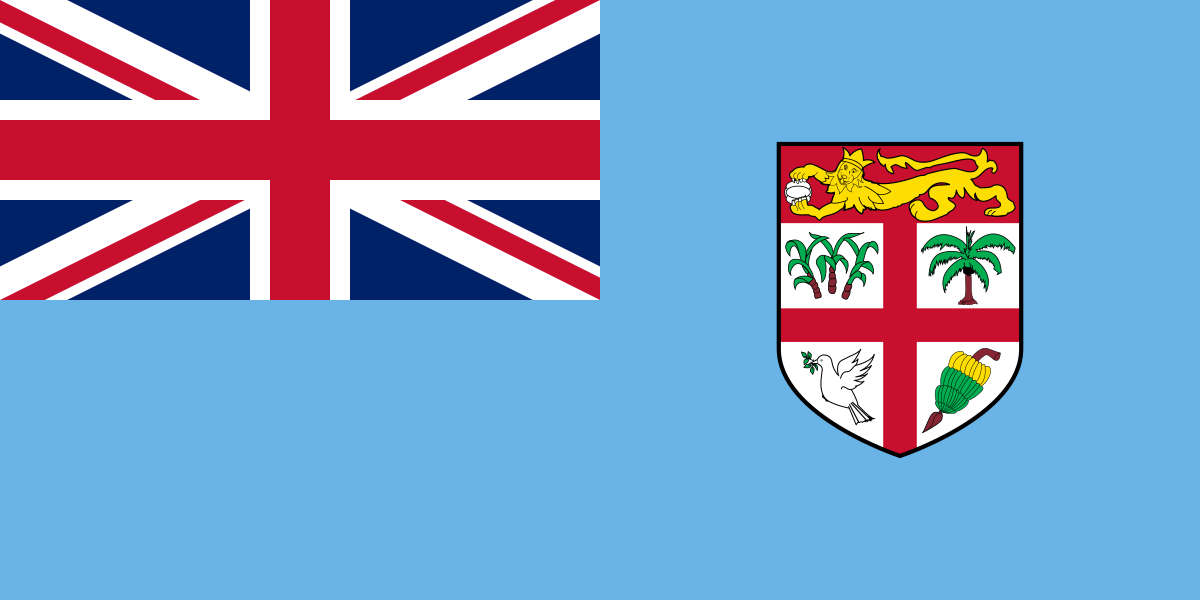
The flag of Fiji is made up of light blue with the flag of the UK in the upper hoist-side quadrant. On the outer half, the Fijian shield is vertically centered. The blue symbolizes the Pacific Ocean and the Union Jack reflects the country’s link to Great Britain. The shield—taken from Fiji’s coat of arms—depicts a yellow lion holding a coconut pod between its paws, placed above a white field quartered by the cross of Saint George. The four quarters depict stalks of sugarcane, a palm tree, a banana bunch, and a white dove of peace.
Map
Map
Check out the map of Solomon Islands!
Weather
Anthem
National Anthem
| Title | God Bless Fiji |
| Composer | Michael Francis Alexander Prescott / C. Austin Miles |
FAQ
FAQs
Fiji became independent on October 10, 1970.
The blue symbolizes the Pacific Ocean and the Union Jack reflects the links with Great Britain. The shield – taken from Fiji’s coat of arms – depicts a yellow lion holding a coconut pod between its paws, above a white field quartered by the cross of Saint George; the four quarters depict stalks of sugarcane, a palm tree, a banana bunch, and a white dove of peace.
The flag of Fiji was officially adopted on October 10, 1970.
Fiji is governed by Parliamentary Republic.
Discover more fun facts of Grenada.
Printable
Printable Fijian Flag
Print another really cool flag. Why not the flag of Cape Verde?
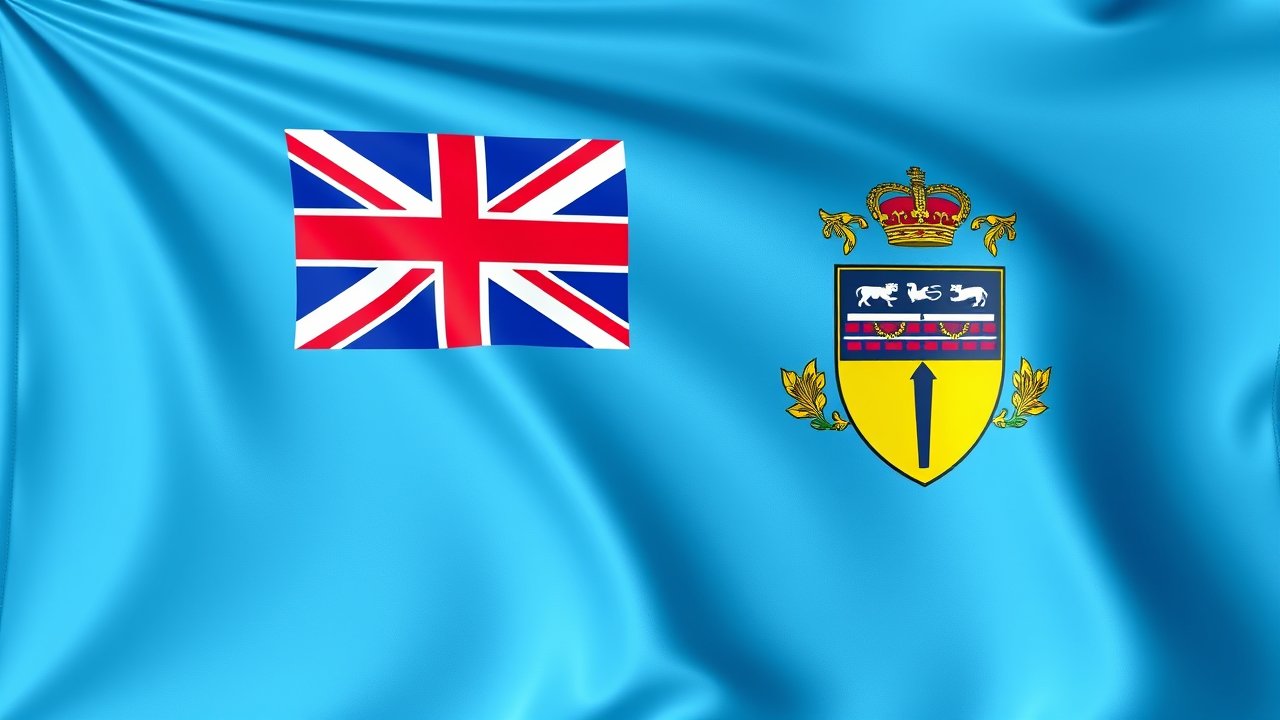
3D Glossy Render — Light blue field with the Union Jack in the canton and the shield from the coat of arms on the fly. The flag of Fiji as a photorealistic 3D render. Light blue field with the Union Jack in the canton and the shield from the coat of arms on the fly. The flag fabric hangs or drapes naturally but preserves exact proportions, colors, and all symbols perfectly — completely faithful to the real Fiji flag. Dramatic studio lighting, glossy silk material, soft shadows, subsurface scattering, perfect specular highlights. No text, no letters, no words, no writing of any kind.
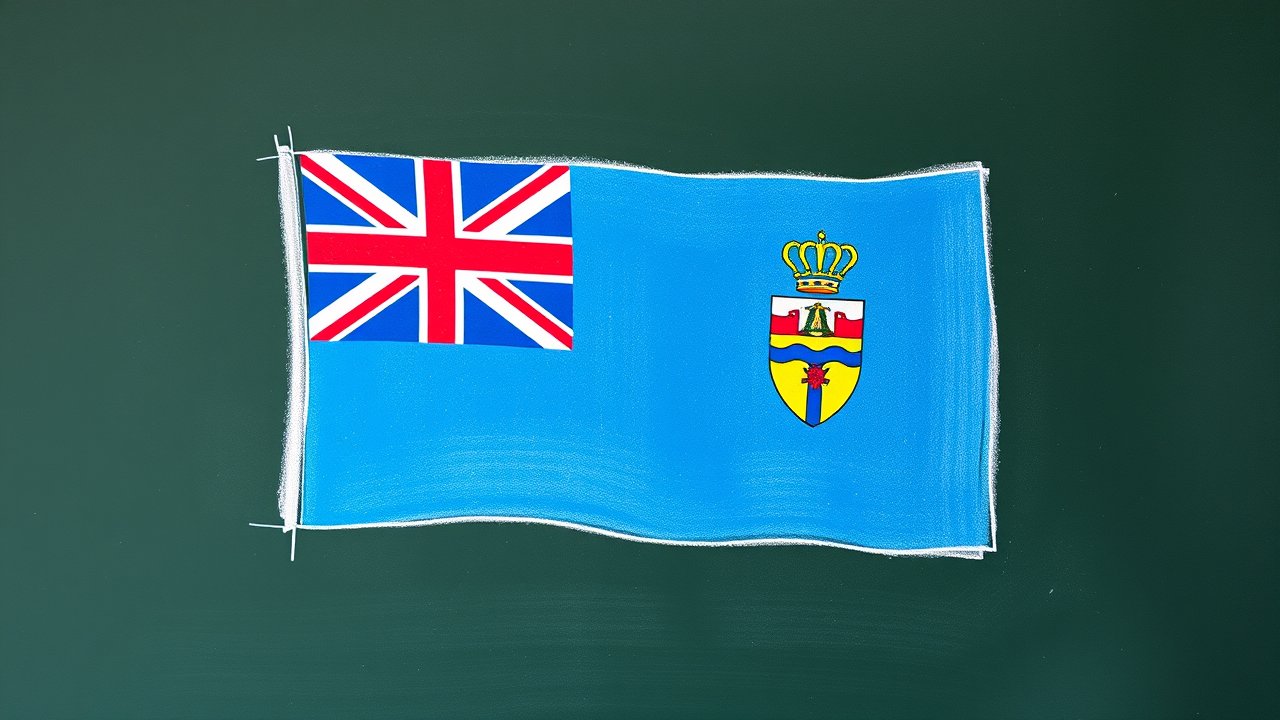
Chalk on Blackboard — Light blue field with the Union Jack in the canton and the shield from the coat of arms on the fly. The flag of Fiji drawn in chalk on a real blackboard. Light blue field with the Union Jack in the canton and the shield from the coat of arms on the fly. Authentic blackboard — dark slate green surface with chalk dust and smudge marks. Soft, dusty white and colored chalk lines, imperfect edges, hand-drawn quality. Chalk dust particles visible in the air. The flag is immediately recognizable. No text, no letters, no words, no writing of any kind.
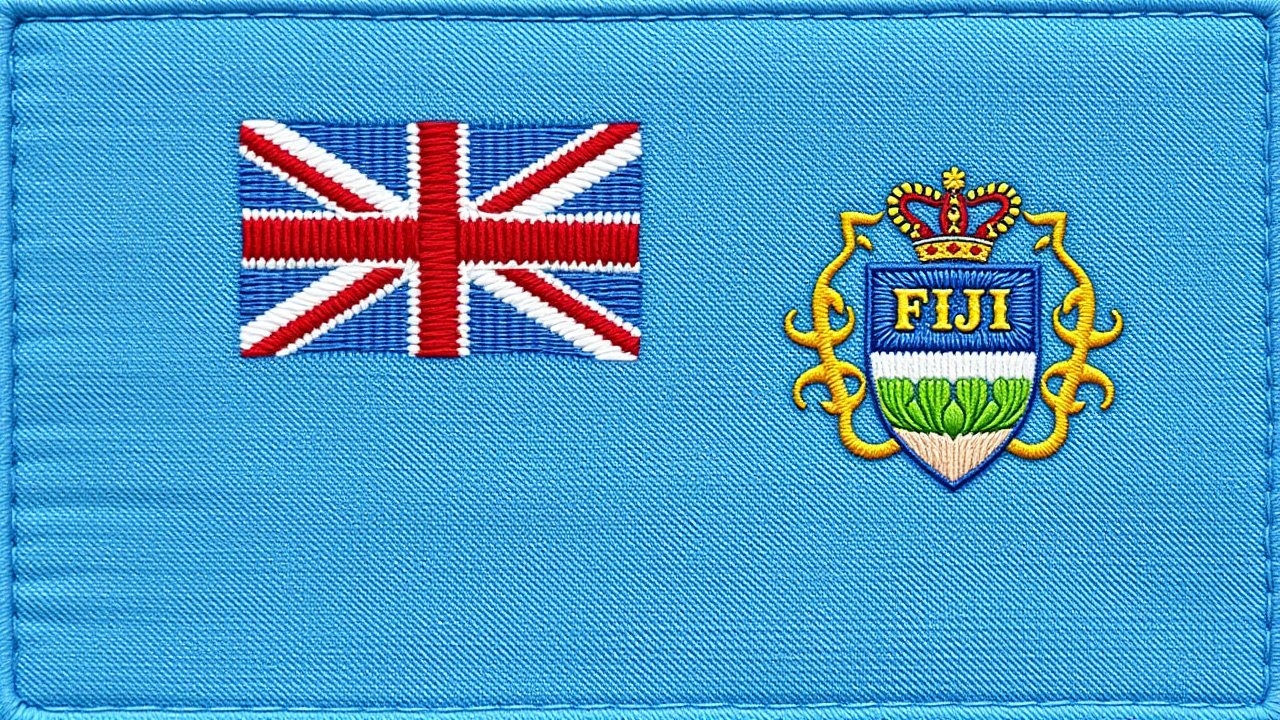
Embroidered Textile — Light blue field with the Union Jack in the canton and the shield from the coat of arms on the fly. The flag of Fiji as intricate embroidery on linen fabric. Light blue field with the Union Jack in the canton and the shield from the coat of arms on the fly. Dense satin stitches, French knots, chain stitch detail. The flag design is completely faithful — exact colors, geometry, and all symbols faithfully stitched, immediately recognizable as the Fiji flag. Visible thread texture, dimensional quality, warm handcrafted feel. No text, no letters, no words, no writing of any kind.
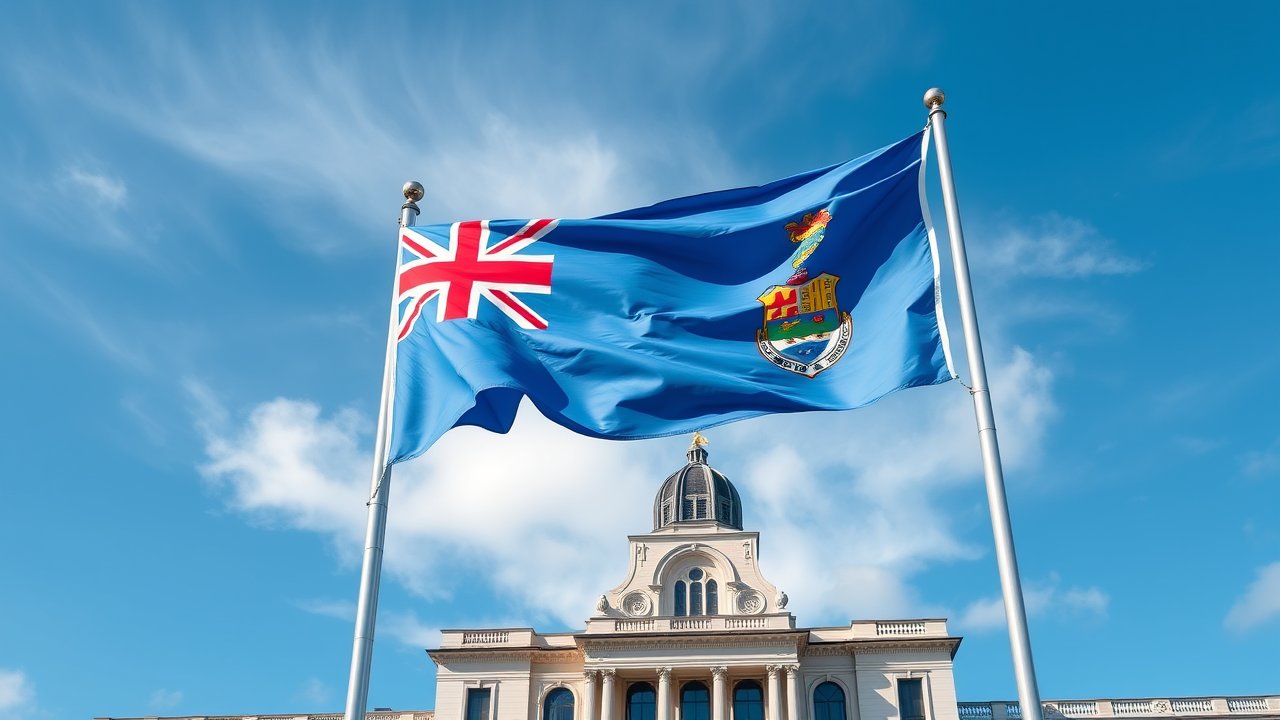
Flagpole in Capital — Light blue field with the Union Jack in the canton and the shield from the coat of arms on the fly. Photorealistic photograph of the Fiji flag flying on a tall flagpole in front of an iconic government building in the capital city. Light blue field with the Union Jack in the canton and the shield from the coat of arms on the fly. The flag ripples naturally in the wind, colors vivid and exact. Documentary photography style, sharp and realistic. Grand architecture in the background. Blue sky, dramatic clouds. No text, no letters, no words, no writing of any kind.

Golden Hour Reflection — Light blue field with the Union Jack in the canton and the shield from the coat of arms on the fly. Photorealistic photograph of the Fiji flag reflected in still water at golden hour. Light blue field with the Union Jack in the canton and the shield from the coat of arms on the fly. The flag flies on a pole at the water’s edge, its reflection shimmering on the surface below. Warm amber and orange sunset light. The flag colors and design are faithful and vivid. Serene, cinematic landscape photography. No text, no letters, no words, no writing of any kind.
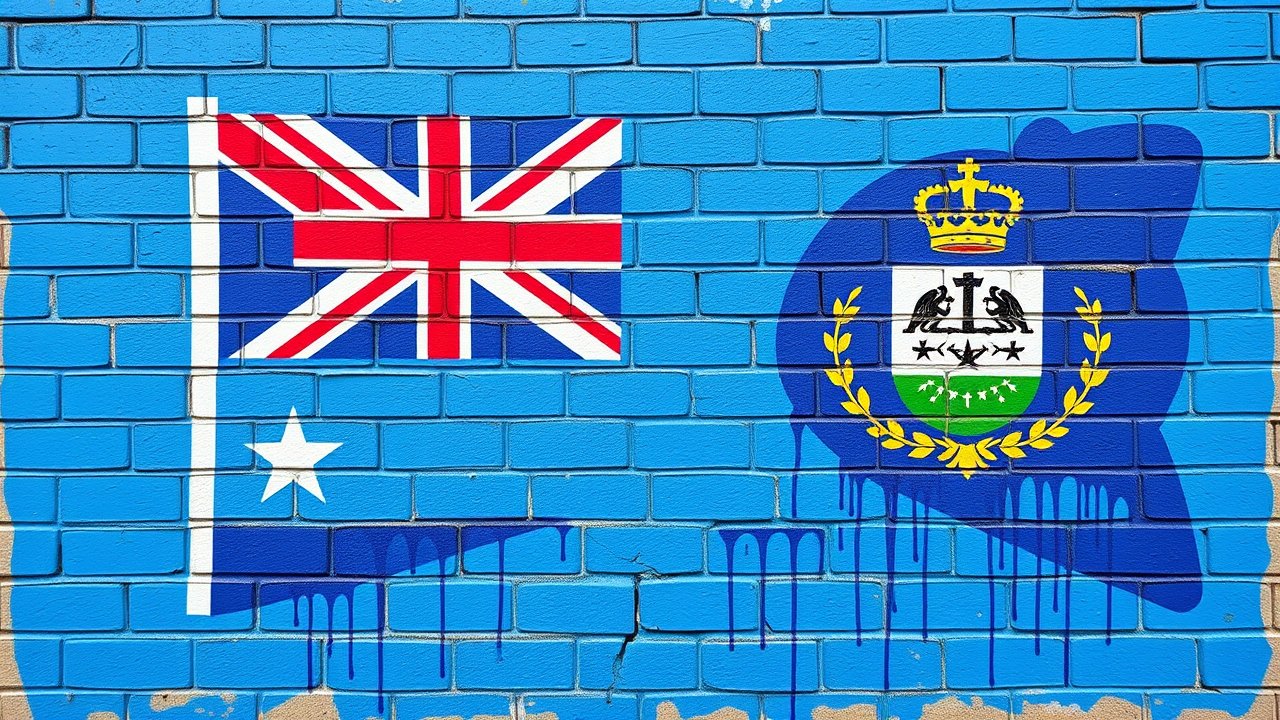
Street Art / Graffiti — Light blue field with the Union Jack in the canton and the shield from the coat of arms on the fly. The flag of Fiji as vibrant street art spray-painted on a brick wall. Light blue field with the Union Jack in the canton and the shield from the coat of arms on the fly. Bold spray paint, dripping edges, stencil layers, overspray halos. The flag design is faithful and immediately recognizable — exact colors and symbols, just rendered in spray paint on urban concrete. No text, no letters, no words, no writing of any kind. No tags, no graffiti lettering.
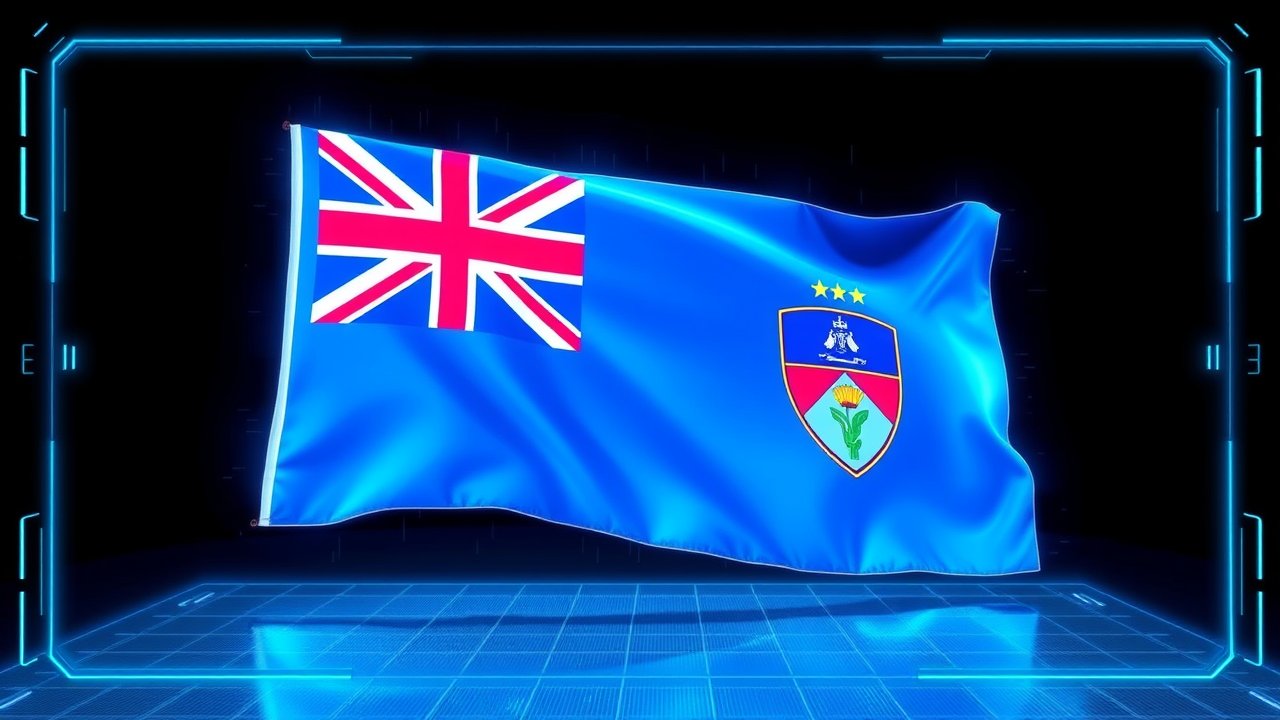
Sci-Fi Hologram — Light blue field with the Union Jack in the canton and the shield from the coat of arms on the fly. The flag of Fiji projected as a futuristic holographic display. Light blue field with the Union Jack in the canton and the shield from the coat of arms on the fly. Translucent blue-white projection with scan lines, floating in dark space. Glitching edges, particle effects, data streams. The flag design is completely faithful and recognizable. Cyberpunk HUD elements framing the projection. No text, no letters, no words, no writing of any kind.
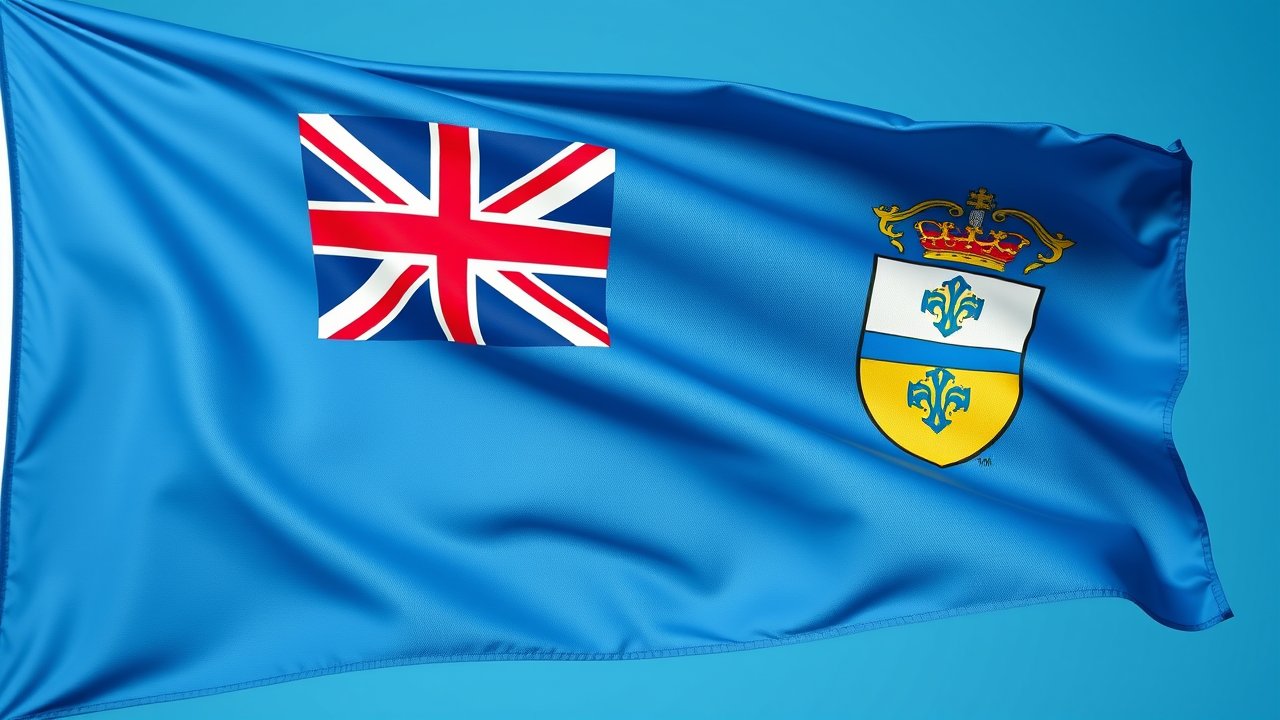
Hyperrealistic Wind — Light blue field with the Union Jack in the canton and the shield from the coat of arms on the fly. Ultra-hyperrealistic photograph of the Fiji flag caught in a dramatic gust of wind. Light blue field with the Union Jack in the canton and the shield from the coat of arms on the fly. Macro-level fabric detail — individual threads visible, fabric folds and tension lines crisp. Colors and design completely faithful to the real Fiji flag. High-speed shutter, razor-sharp focus, studio lighting. No text, no letters, no words, no writing of any kind.
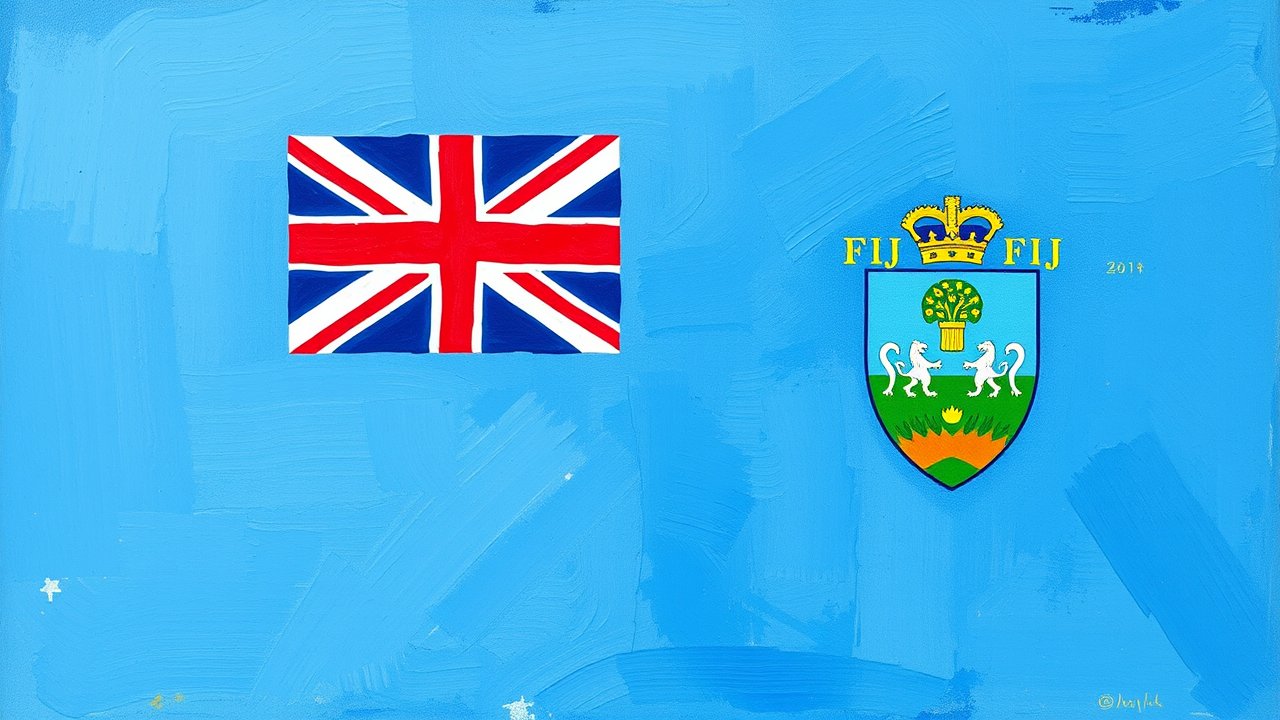
Impressionist Oil — Light blue field with the Union Jack in the canton and the shield from the coat of arms on the fly. The flag of Fiji painted in French Impressionist oil on canvas. Light blue field with the Union Jack in the canton and the shield from the coat of arms on the fly. Thick impasto brushstrokes, dappled light, vibrant broken color technique in the style of Monet. The flag is instantly recognizable — colors and design faithful to the real Fiji flag, interpreted with impressionist light and texture. No text, no letters, no words, no writing of any kind.
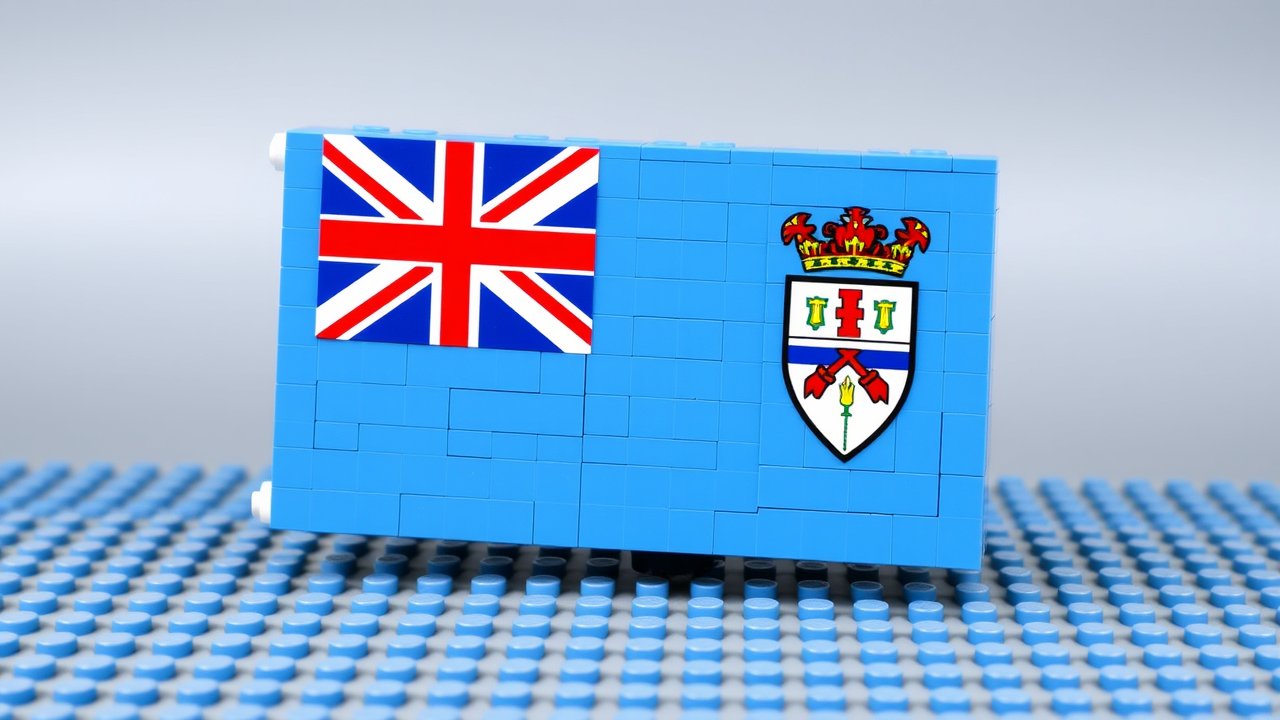
Lego Bricks — Light blue field with the Union Jack in the canton and the shield from the coat of arms on the fly. The flag of Fiji built from Lego bricks, photographed as a real physical construction. Light blue field with the Union Jack in the canton and the shield from the coat of arms on the fly. Visible studs and brick seams, slight plastic sheen. Standard Lego colors approximate the flag’s palette. Built on a gray Lego baseplate. Dramatic angle showing the three-dimensional brick texture. No text, no letters, no words, no writing of any kind.
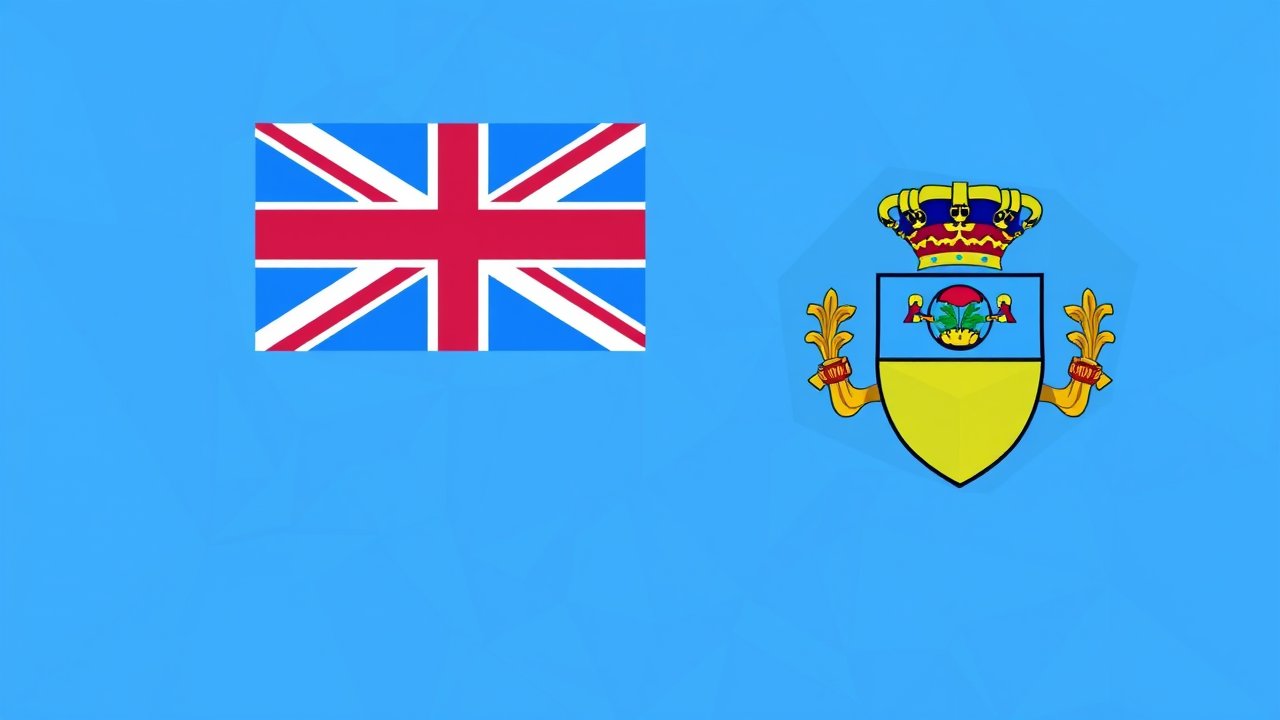
Low-Poly Geometric — Light blue field with the Union Jack in the canton and the shield from the coat of arms on the fly. The flag of Fiji constructed from low-polygon geometric triangles. Light blue field with the Union Jack in the canton and the shield from the coat of arms on the fly. Aggressively faceted — each region broken into many visible triangular faces with subtle color variation across each polygon, creating real depth and dimensionality even in flat-color areas of the flag. Crystal-like, contemporary computational design. The flag is completely faithful and immediately recognizable. No text, no letters, no words, no writing of any kind.
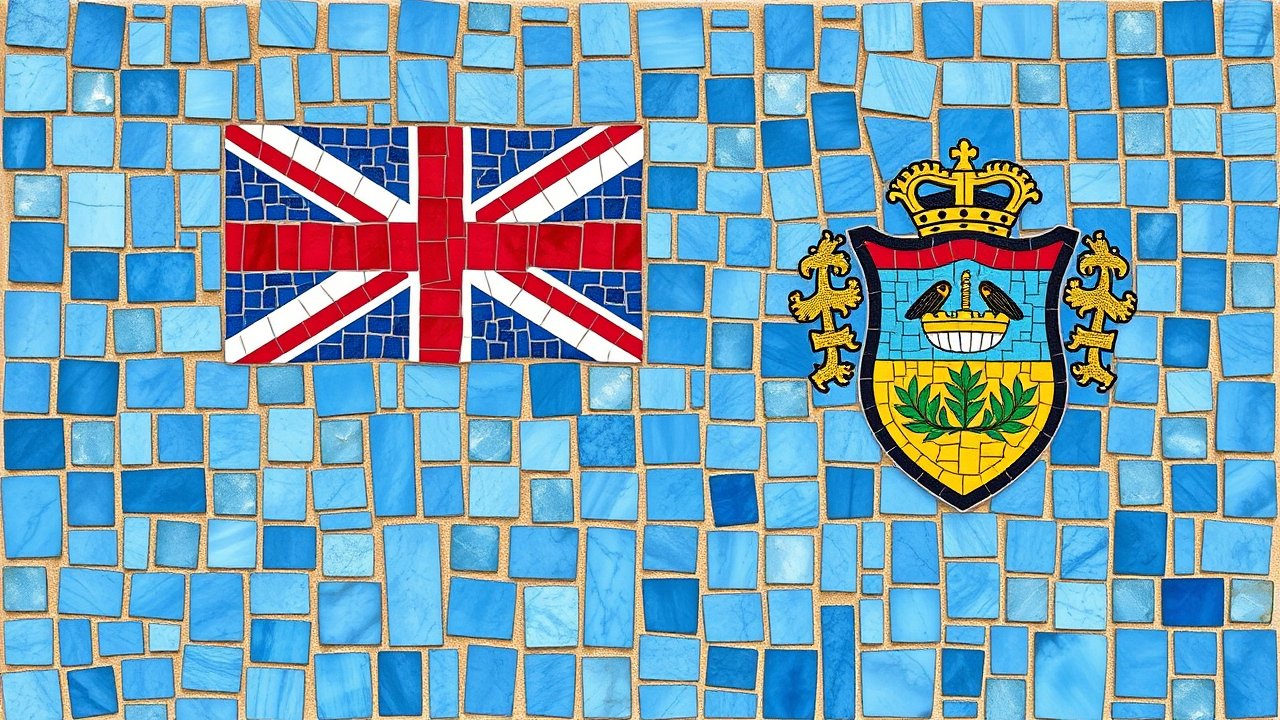
Mosaic Tiles — Light blue field with the Union Jack in the canton and the shield from the coat of arms on the fly. The flag of Fiji assembled as a Roman-style mosaic. Light blue field with the Union Jack in the canton and the shield from the coat of arms on the fly. The flag is completely faithful to the real Fiji flag — exact proportions, colors, and all symbols, rendered in thousands of small stone and glass tesserae. Visible grout lines, rich earthy tones mixed with brilliant glass, slight historical weathering. No text, no letters, no words, no writing of any kind.
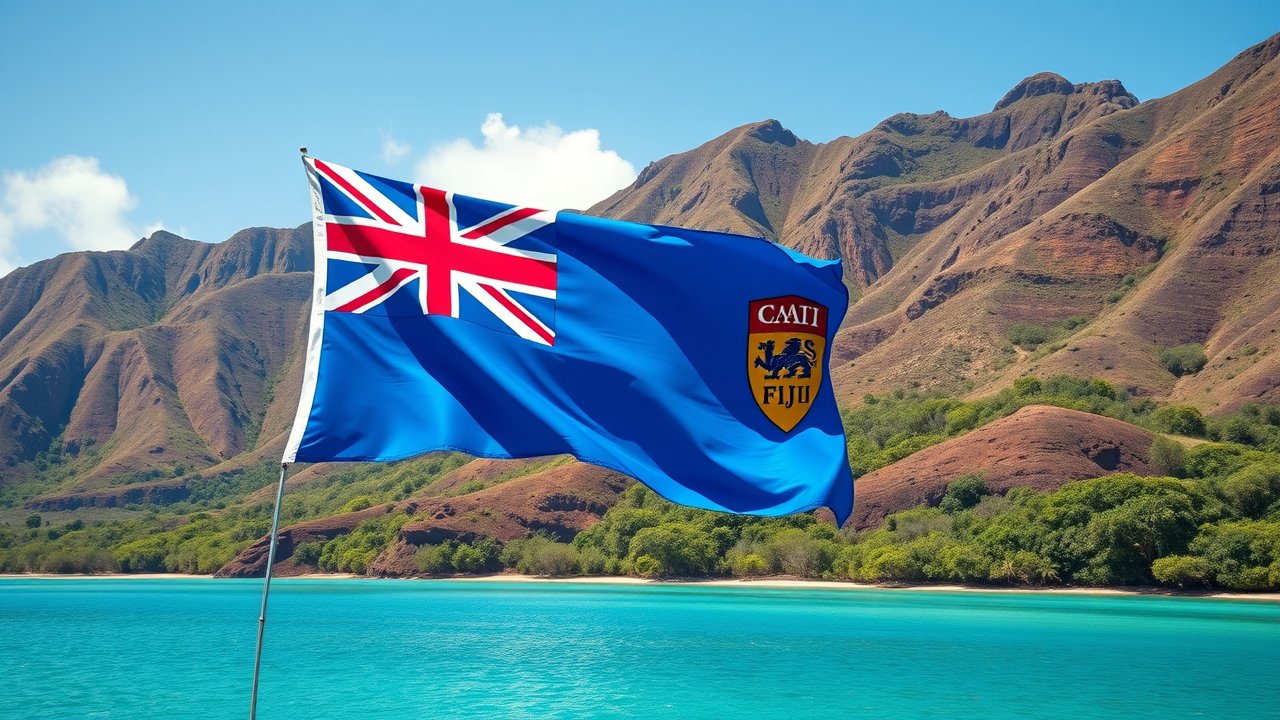
Native Landscape — Light blue field with the Union Jack in the canton and the shield from the coat of arms on the fly. Photorealistic photograph of the Fiji flag flying in an iconic natural landscape native to Fiji — the terrain, flora, and environment characteristic of that country. Light blue field with the Union Jack in the canton and the shield from the coat of arms on the fly. The flag is prominent and its colors are faithful and vivid. Remote, uninhabited wilderness. National Geographic photography style. No text, no letters, no words, no writing of any kind.
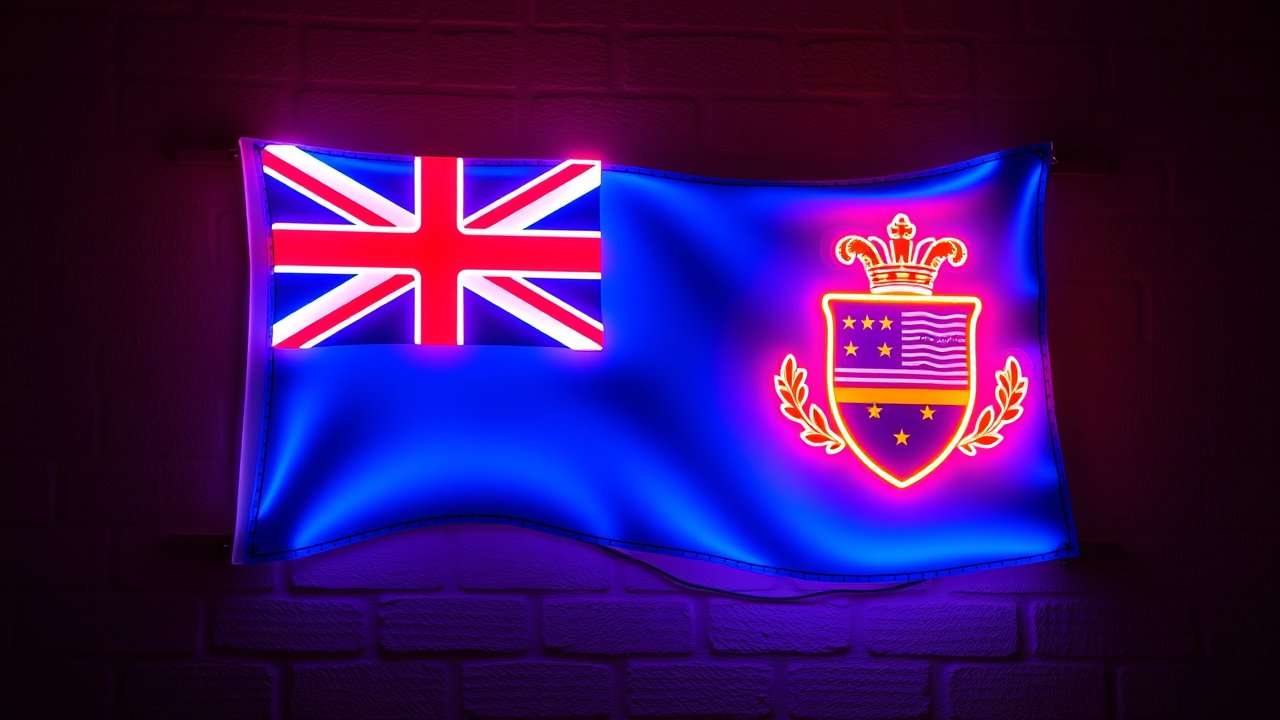
Neon Sign — Light blue field with the Union Jack in the canton and the shield from the coat of arms on the fly. The flag of Fiji recreated as a real neon sign mounted on a dark wall. Light blue field with the Union Jack in the canton and the shield from the coat of arms on the fly. Glowing glass neon tubes bent into the flag’s shapes — the colors of the flag rendered in actual neon light. Visible glass tube bends, metal mounting brackets on the wall. Warm neon glow and light bloom. Real neon, not digital. Photographed in a dark room. No text, no letters, no words, no writing of any kind.
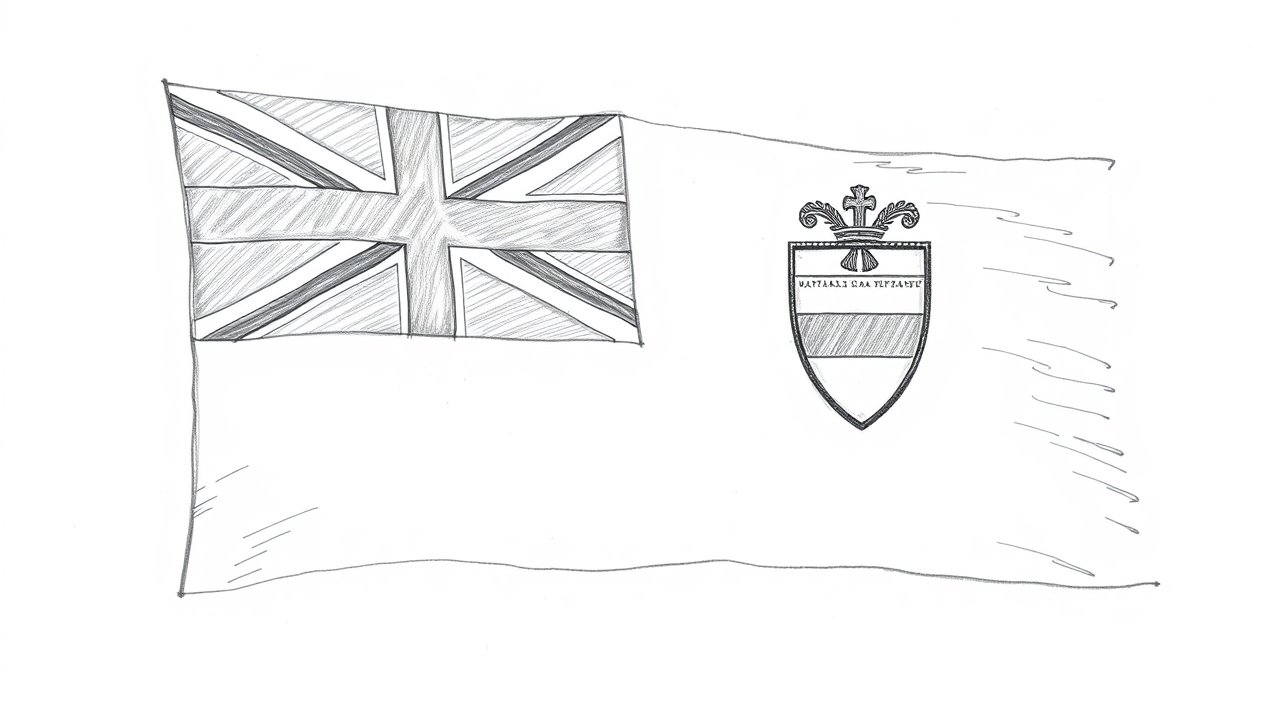
Pencil Sketch — Light blue field with the Union Jack in the canton and the shield from the coat of arms on the fly. The flag of Fiji as a bold, confident pencil sketch. Light blue field with the Union Jack in the canton and the shield from the coat of arms on the fly. Strong graphite lines on cream paper — not delicate but bold and decisive. Heavy pressure on key outlines, dramatic cross-hatching for deep shadows and shading. Immediately recognizable as the Fiji flag. Artist’s confident hand, not tentative. No text, no letters, no words, no writing of any kind.
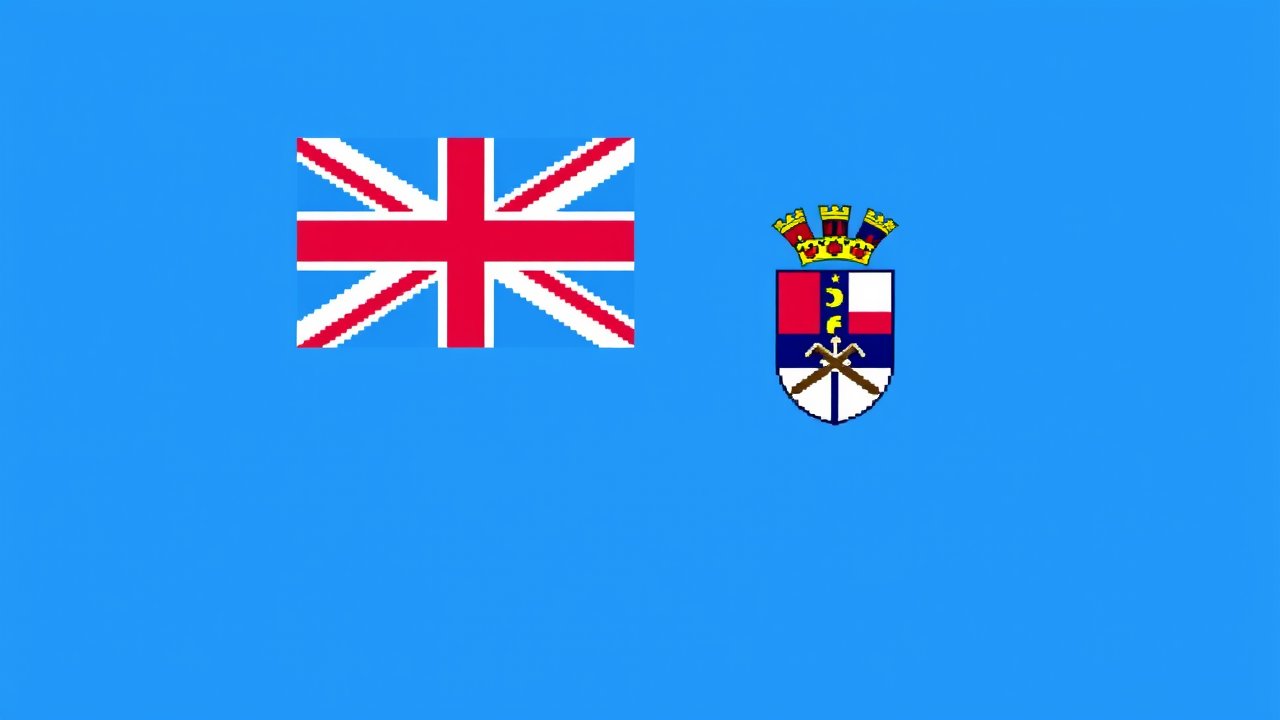
Pixel Art — Light blue field with the Union Jack in the canton and the shield from the coat of arms on the fly. The flag of Fiji as detailed 16-bit pixel art. Light blue field with the Union Jack in the canton and the shield from the coat of arms on the fly. Crisp pixel grid, limited palette with careful dithering, nostalgic retro game aesthetic. Clean grid-aligned design with subtle shading. Every element of the flag faithfully reproduced in pixels. No text, no letters, no words, no writing of any kind.
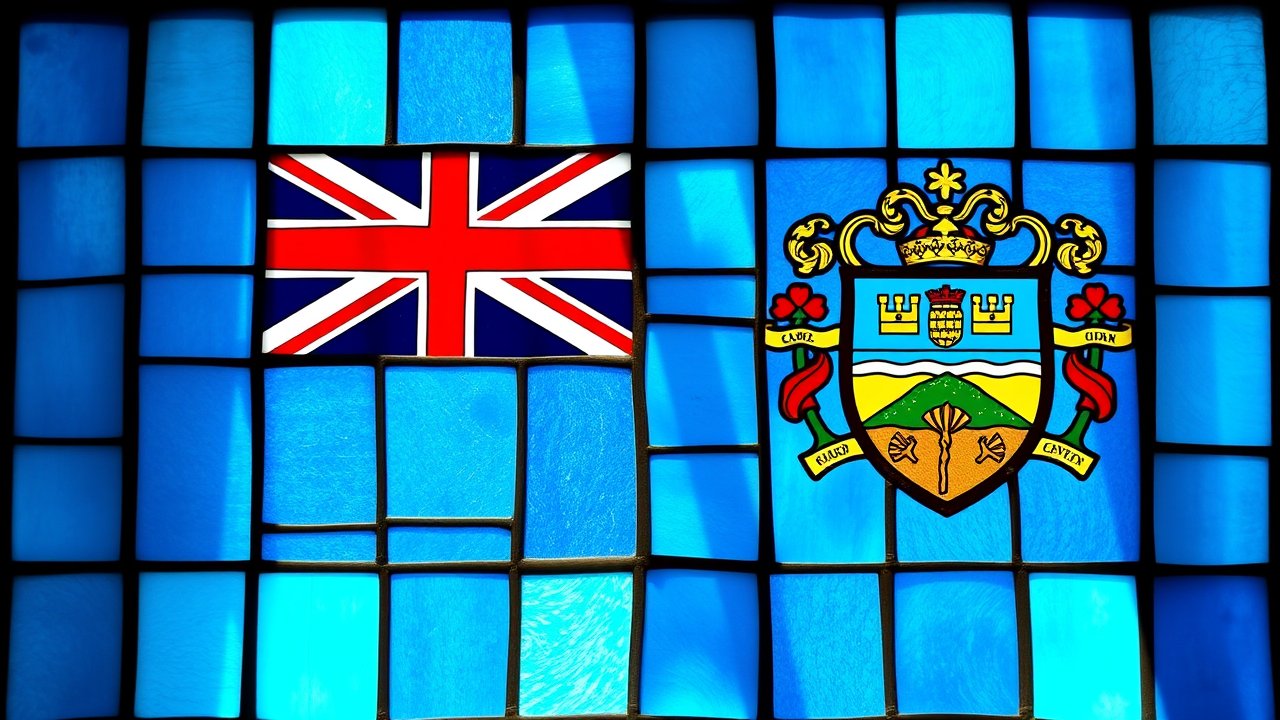
Stained Glass — Light blue field with the Union Jack in the canton and the shield from the coat of arms on the fly. The flag of Fiji rendered as an ornate stained glass window. Light blue field with the Union Jack in the canton and the shield from the coat of arms on the fly. The design is completely faithful to the real Fiji flag — exact colors, geometry, and all symbols preserved. Brilliant jewel-toned glass pieces separated by dark lead came lines. Warm sunlight streaming through, casting colored light. Gothic cathedral craftsmanship. No text, no letters, no words, no writing of any kind.
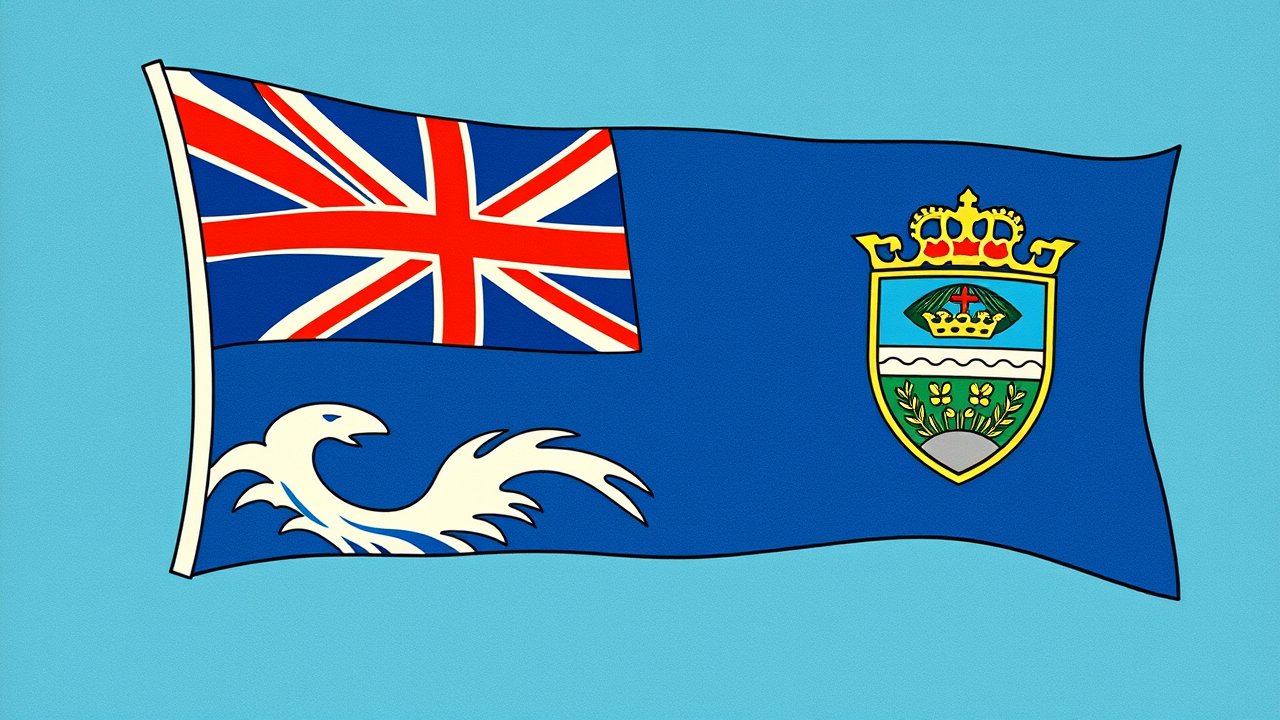
Ukiyo-e Woodblock — Light blue field with the Union Jack in the canton and the shield from the coat of arms on the fly. The flag of Fiji as a traditional Japanese ukiyo-e woodblock print. Light blue field with the Union Jack in the canton and the shield from the coat of arms on the fly. Bold outlines, flat areas of rich color, flowing organic forms. Wind and waves incorporated into the composition. Printed on washi paper with visible wood grain texture. The flag is the central focus and instantly recognizable. No text, no letters, no words, no writing of any kind.
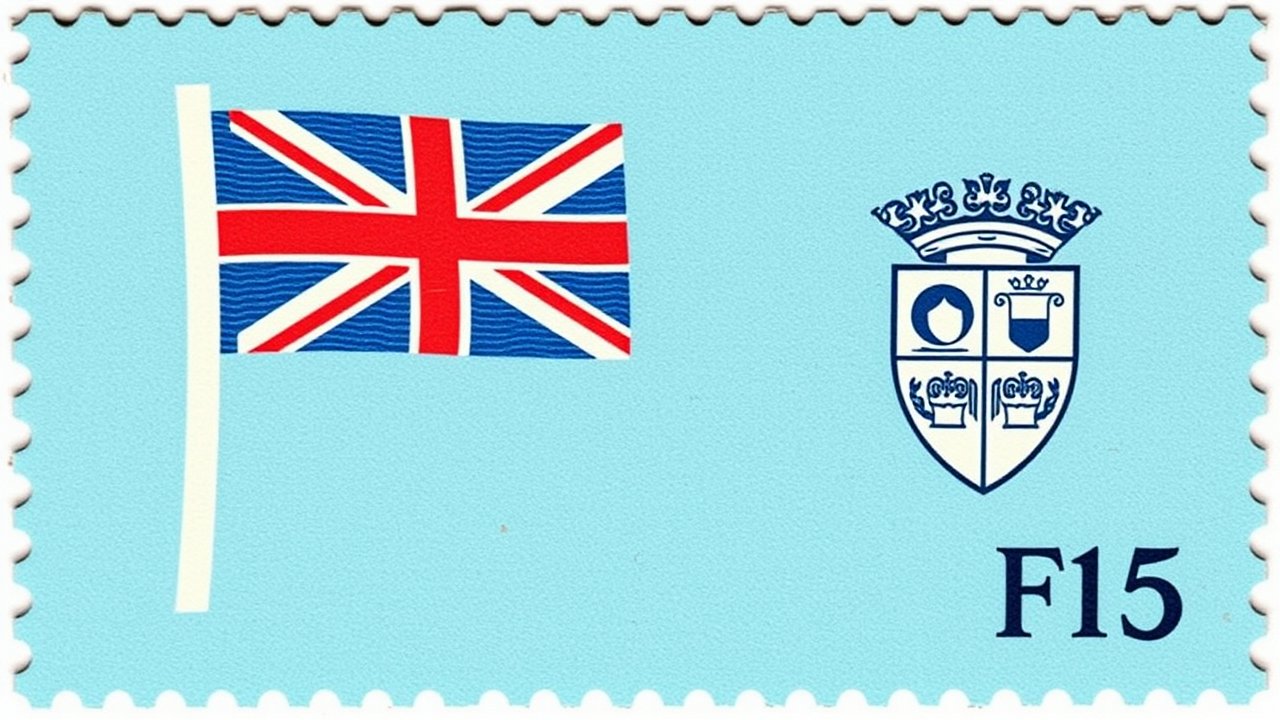
Vintage Postage Stamp — Light blue field with the Union Jack in the canton and the shield from the coat of arms on the fly. The flag of Fiji as a vintage 1950s postage stamp. Light blue field with the Union Jack in the canton and the shield from the coat of arms on the fly. The flag fills most of the stamp — it is the primary subject, faithfully rendered in fine engraved intaglio style. Perforated edges, aged paper with slight foxing. The stamp may show a denomination numeral only — absolutely no other text or country names.
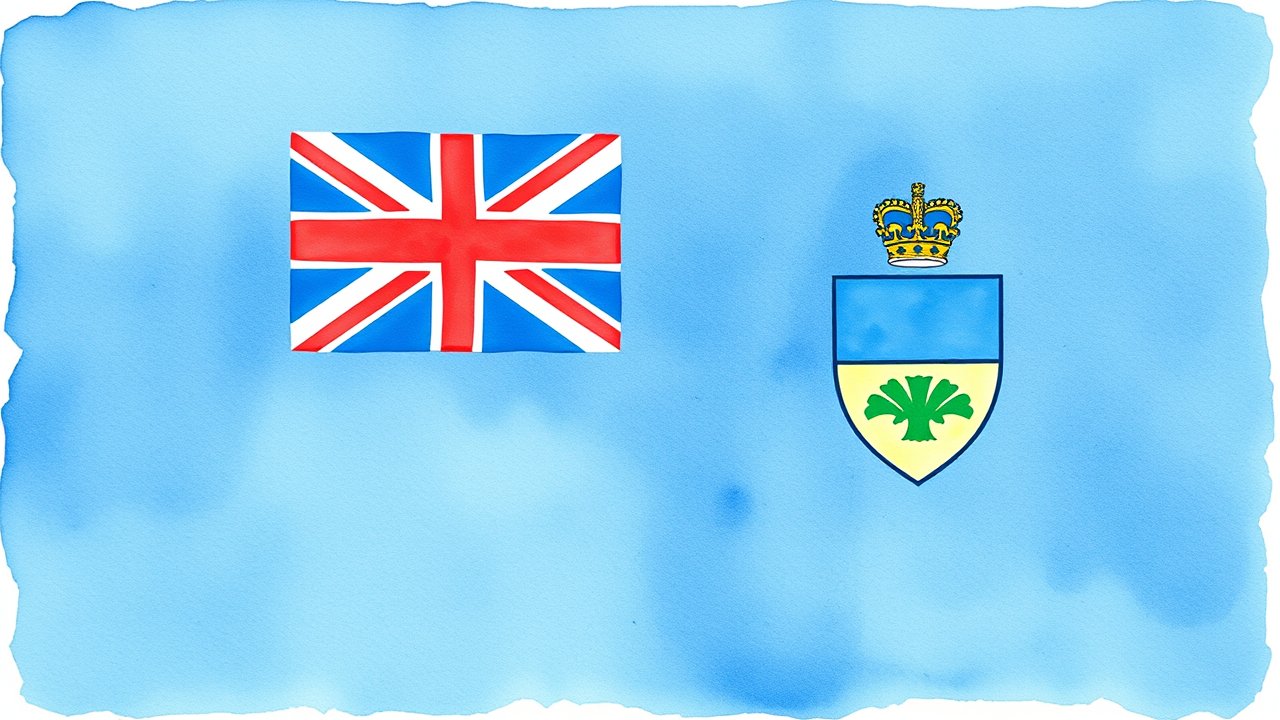
Watercolor — Light blue field with the Union Jack in the canton and the shield from the coat of arms on the fly. The flag of Fiji painted in loose, expressive watercolor. Light blue field with the Union Jack in the canton and the shield from the coat of arms on the fly. Wet-on-wet technique with soft color bleeds, visible brushstrokes, natural paper texture. Delicate splashes and drips at the edges. Luminous, translucent layers of pigment. No text, no letters, no words, no writing of any kind.
The flag of Fiji stands as a powerful symbol of the island nation’s unique position in the Pacific, reflecting its complex history, natural heritage, and cultural identity. Officially adopted on October 10, 1970—the momentous date of Fiji’s independence from British colonial rule—the flag represents the aspirations and values of the Fijian people as they emerged as a sovereign nation. The design features a distinctive light blue field that dominates the flag, with the Union Jack positioned in the canton (upper left corner) and the national shield placed prominently on the fly (right side) at the center. This composition carefully balances Fiji’s historical ties to the United Kingdom with its own unique Pacific identity, creating a flag that acknowledges the past while projecting confidence toward the future. The flag’s design emerged from thoughtful consideration of how best to represent a diverse island nation transitioning from colonial administration to independent statehood, incorporating symbols that would resonate with Fijian citizens and be recognized internationally.
Symbolism of Colors and Elements
The predominant light blue field of the Fijian flag carries profound symbolic significance rooted in the nation’s geography and way of life. The bright azure blue represents the Pacific Ocean, which has shaped every aspect of Fijian civilization for centuries. The sea is not merely a geographic feature for Fiji but rather the lifeblood of the nation, providing sustenance through fishing, enabling commerce and trade, and serving as the foundation of one of the nation’s most important economic sectors—tourism. The choice of this particular shade of blue communicates to the world that Fiji is fundamentally defined by its maritime character and its dependence on healthy ocean resources. Fishing remains central to Fijian culture and economy, with traditional fishing practices dating back generations and continuing to sustain many communities. Additionally, the tourism industry, heavily dependent on Fiji’s beaches, coral reefs, and marine biodiversity, has become increasingly vital to the national economy. The light blue field therefore serves as a visual reminder of what makes Fiji distinctive: its island paradise status and the critical importance of the surrounding waters to the nation’s present and future prosperity.
The Union Jack positioned in the canton of the Fijian flag directly reflects the nation’s historical relationship with the United Kingdom. Fiji was colonized by the British in the 19th century and remained under British administration until independence in 1970. The inclusion of the Union Jack acknowledges this shared colonial history and Fiji’s ongoing relationship with the Commonwealth. The decision to retain the Union Jack on the independence flag, rather than removing it entirely, represented a pragmatic choice by the new Fijian leadership to maintain historical continuity while asserting national sovereignty. This approach was similar to that taken by several other newly independent Commonwealth nations, recognizing that the ties between Britain and its former colonies, while historically complex, had also brought certain institutional and educational structures that would continue to influence the new nation. The prominent placement of the Union Jack in the traditional position demonstrates respect for this historical relationship while the shield on the fly emphasizes Fijian national identity as the dominant symbol.
The Shield and Coat of Arms
The national shield featured prominently on the Fijian flag derives from the country’s coat of arms, which was originally granted by royal warrant in 1908 during the period of British colonial administration. The coat of arms was designed to incorporate symbols representing Fiji’s primary industries, cultural heritage, and values. The shield is structured in quarters, each containing distinctive imagery that tells the story of the Fijian nation. Three of the four main quarters feature the agricultural products that have historically formed the backbone of Fiji’s economy: sugarcane, coconuts, and bananas. These crops represent not only economic activity but also the fertile volcanic soil and tropical climate that distinguish Fiji’s geography. Sugar in particular became a major industry in Fiji, developed during the colonial period and continuing as a significant export commodity. Coconuts have long been cultivated throughout the Pacific islands and provide food, oil, and fiber for both local use and export. Bananas represent the agricultural diversity of the islands and the capacity of Fijian soil to support multiple forms of cultivation. The inclusion of these agricultural symbols on the coat of arms underscores that Fiji’s identity and prosperity are rooted in its natural resources and the labor of its people.
Beyond the agricultural imagery, the coat of arms includes additional symbolic elements that represent broader values and historical connections. A cacao pod held in the paw of a golden lion appears at the top of the shield, representing commerce and wealth while also acknowledging another valuable crop in Fiji’s agricultural heritage. The lion itself symbolizes the historical connection to the United Kingdom and the British monarchy, serving as a recurring heraldic symbol throughout the Commonwealth. In the lower left quarter of the shield, a white dove appears, symbolizing peace—a value of paramount importance to any nation seeking to build consensus among its diverse population and establish harmonious international relations. This symbol of peace takes on particular resonance in the Pacific context, where many island nations have worked to develop strong regional cooperation through organizations like the Pacific Islands Forum. The takia, a traditional Fijian canoe, appears in the crest at the top of the coat of arms, representing the maritime heritage and traditional seafaring knowledge of the Fijian people. This ancient symbol of wayfinding and exploration connects modern Fiji to its ancestral past and to the broader tradition of Pacific Islander navigation and discovery.
The supporters of the shield—the figures that stand on either side holding the coat of arms—are depicted as Fijian warriors, reflecting the martial traditions and cultural identity of the islands. According to Fijian legend and tradition, these warriors are twin brothers, with the older brother carrying a spear and the younger wielding a totokia club. These weapons represent both the defensive capabilities necessary for a sovereign nation and the traditional means by which Fijian warriors historically protected their communities. The inclusion of these warrior figures emphasizes that the modern nation of Fiji is the inheritor of a proud cultural and martial tradition. The coat of arms, formally adopted in 1908 and retained continuously since Fiji’s independence, thus serves as a comprehensive visual statement of what Fiji is and what it values—a nation rooted in natural resources, united in a commitment to peace, proud of its cultural heritage, and connected to both its Pacific Island traditions and its historical relationship with Britain.
Historical Development and Independence
The adoption of Fiji’s current national flag occurred at a pivotal moment in the nation’s history—the precise moment of independence from British colonial rule on October 10, 1970. The design process reflected careful consideration by Fijian leaders of how to create a flag that would be appropriate for a newly sovereign nation while also acknowledging the complex realities of Fiji’s history and international position. The flag design represents a consensus among Fijian political and cultural leaders about how best to symbolize their new nation. The choice to retain elements such as the Union Jack and the coat of arms from the colonial period, rather than creating an entirely new design, suggests a pragmatic approach to nation-building that valued continuity and gradual transition over radical rupture. This approach contrasted with some other decolonizing nations that chose to completely reject colonial symbols and create entirely new national emblems. Fiji’s designers recognized that while independence marked a fundamental change in political status, the nation’s history, geography, and international relationships would not suddenly transform on a single date.
The stability and endurance of Fiji’s flag design since 1970 represent a remarkable consistency in an otherwise turbulent period of the nation’s history. While other aspects of Fijian governance and political life have experienced significant changes and challenges in the decades since independence, the national flag has remained unaltered. In 2015, Prime Minister Frank Bainimarama announced an ambitious initiative to replace the national flag as part of broader efforts to modernize Fiji’s national symbols and identity. A national competition was held to design a new flag, with the target date of October 11, 2015—the 45th anniversary of independence—planned for the debut of the new design. However, this significant undertaking was ultimately abandoned in August 2016, with the government deciding to retain the current flag design. This decision reflects the deep connection Fijians have developed to their current flag and the recognition that the 1970 design successfully represents the nation’s identity and values. The flag’s retention despite efforts to modernize it suggests that what was created at the moment of independence proved to be enduringly appropriate for the Fijian nation.
Conclusion: A Symbol of Pacific Identity
The flag of Fiji continues to serve as a powerful emblem of the nation’s place in the Pacific region and its role in the global community. The light blue field evokes the warm waters and tropical shores that define Fiji’s character, while the Union Jack acknowledges a shared historical experience with the Commonwealth, and the shield proclaims values of peace, agricultural prosperity, and cultural pride. For over fifty years, this flag has flown above government buildings, schools, and homes throughout Fiji and in Fijian communities around the world. It represents the aspirations of a people who successfully transitioned from colonial administration to independent statehood and who continue to build a nation that honors both its traditional heritage and its modern aspirations. The flag’s symbols—from the maritime blue to the coat of arms with its agricultural imagery and warrior supporters—create a comprehensive visual statement about what Fiji is and what it values. As Fiji faces the challenges and opportunities of the twenty-first century, including economic development, climate change adaptation, and regional cooperation, the national flag remains a constant symbol of unity, identity, and national purpose.
Free Printable: Flags of the World Reference Card
Get a beautiful printable poster with 50 flag emojis, Unicode codes, and fun facts. Perfect for classrooms and desks!
No spam, ever. Unsubscribe anytime.